
What is the 75 Rule For Wine, and What Exceptions Should Savvy Tasters Be Aware of?
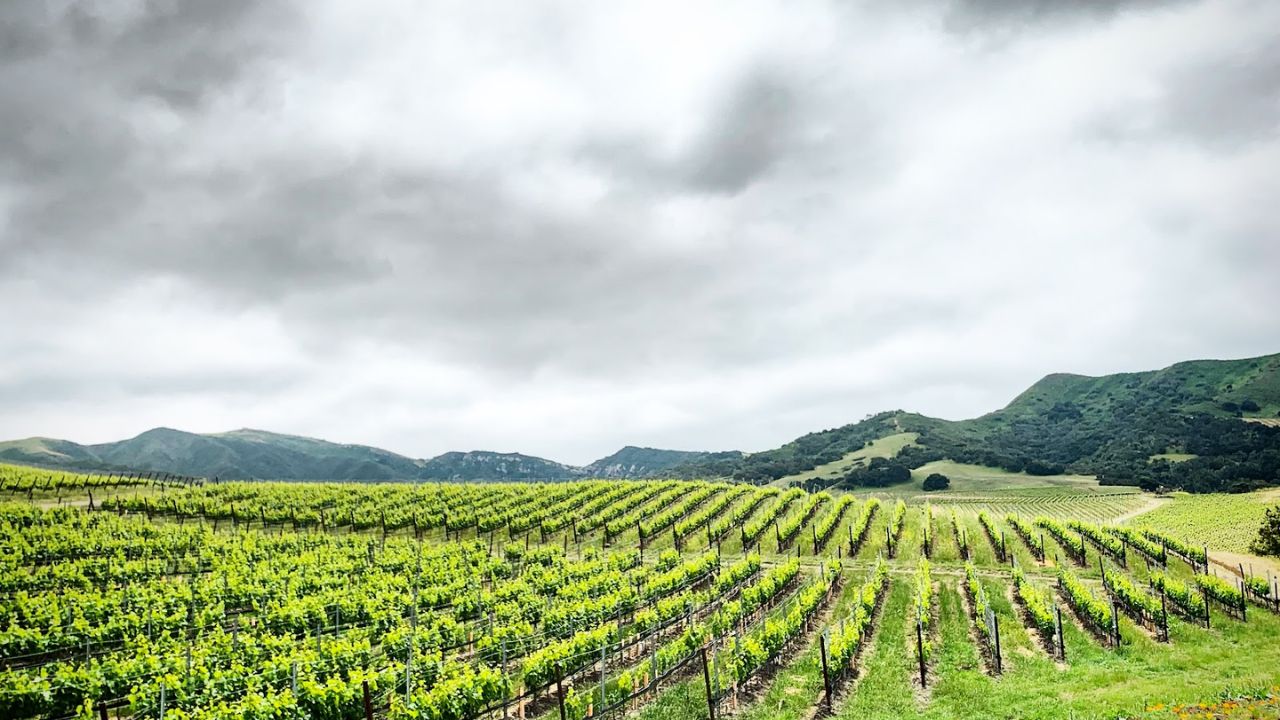
If you’ve ever picked up a bottle of American wine labeled “Cabernet Sauvignon” or “Chardonnay,” you’ve encountered a fundamental principle of U.S. wine law.
Many wine lovers enjoy exploring different grape varieties, but how can you be sure the wine in your glass is truly what the label says it is?
So, what is the 75 rule for wine? In short, it’s the baseline legal standard that allows a winery to name a single grape variety on the label.
What does the 75 Rule Really Mean?
In simple terms, the 75 rule means that when a wine lists a specific grape variety on the label, at least 75% of the wine must be made from that grape. The remaining 25% can include other grapes that complement the flavor, texture, or aroma.
The Alcohol and Tobacco Tax and Trade Bureau (TTB) established this threshold as a practical compromise between consumer transparency and winemaking artistry. Before this standardization, the wine industry operated with inconsistent labeling practices that confused buyers and created regulatory nightmares across state lines.
This 75% threshold applies to several labeling categories:
- Grape variety designations
- Vintage dating
- American Viticultural Area (AVA) designations for wines produced outside California, Oregon, and Washington
The remaining 25% gives winemakers breathing room to blend, adjust, and perfect their wines without constantly changing labels or creating new SKUs for minor formulation tweaks.
Now that you know what the 75 rule for wine is, it’s time to understand how it affects labeling and tasting decisions.
Why This Rule Exists
Winemaking is agricultural work, and agriculture is unpredictable. Harvest conditions change yearly. A vineyard that produces exceptional Merlot one season might face weather challenges the next.
The 75% rule allows producers to maintain consistency in their product lines while adapting to these natural variations.
Blending also serves important quality purposes. Adding small amounts of complementary varieties can enhance color, improve mouthfeel, or balance acidity.
A Malbec might benefit from a touch of Petit Verdot for structure. A Chardonnay could use a splash of Viognier for aromatic complexity. These adjustments often make the final wine superior to a 100% varietal bottling.
From a business perspective, the rule provides stability. Wineries can establish brand recognition for their “Pinot Grigio” or “Syrah” without worrying that minor year-to-year variations will force them to rebrand or confuse loyal customers.
What is the 75 rule for wine? The Geographic Variations
Here’s where savvy tasters need to pay attention: not all wine regions follow the same standards. California, Oregon, and Washington have stricter requirements that diverge from federal guidelines.
California’s Stricter Standards
California mandates that wines labeled with an AVA must contain 85% of grapes from that designated area. If a bottle says “Napa Valley Cabernet Sauvignon,” at least 85% of the grapes must come from Napa Valley. However, the varietal requirement remains at 75% federally for most wines.
For vineyard-designated wines in California, the requirements become even more stringent. These bottles must contain 95% of grapes from the named vineyard. This higher threshold ensures that vineyard-specific characteristics actually reflect that particular plot of land.
Oregon’s Exceptional Standards
Oregon takes wine labeling seriously, particularly for its signature grape: Pinot Noir. The state requires a 90% minimum for any varietal wine labeled as Oregon wine. For Pinot Noir specifically, some producers voluntarily adhere to even higher standards, though 90% remains the legal floor.
This stricter approach reflects Oregon’s commitment to terroir expression and varietal authenticity. The wine community there believes that higher percentages better represent the true character of Oregon viticulture.
Washington State Considerations
Washington follows similar patterns to California, requiring 95% for vineyard-designated wines and maintaining stricter controls for AVA designations than the federal baseline.
Beyond the Grape: How Location and “Estate” Labels Add Layers
Understanding what the 75 rule for wine is a great start, but a wine’s label tells a deeper story about its origin. The rules for geographic labeling follow a similar but distinct logic.
The minimum percentage of grapes that must come from a named place varies depending on the size and specificity of that place, as shown in the table below:
| Label Claim | Minimum Grape Percentage from the Named Area | Governing Body |
| Country, State, or County (e.g., “California”) | 75% | TTB (Federal) |
| American Viticultural Area (AVA) (e.g., “Napa Valley”) | 85% | TTB (Federal) |
| Single Vineyard | 95% | TTB (Federal) |
| Estate Bottled | 100% (The winery must also control the vineyard and have the winery located in the same AVA) | TTB (Federal) |
Furthermore, the term “Estate Bottled” is one of the most specific claims on a label. It certifies that 100% of the grapes were grown on land owned or controlled by the winery, and that the winery crushed, fermented, finished, aged, and bottled the wine in a continuous process within the same viticultural area. This offers a high degree of transparency about the wine’s origin.
Explore true estate-level transparency with our Private Wine Tour, featuring exclusive access to private vineyard estates and direct conversations with owners about their 100% estate-grown wines.
Why This Rule Matters to Sustainable Wine Lovers
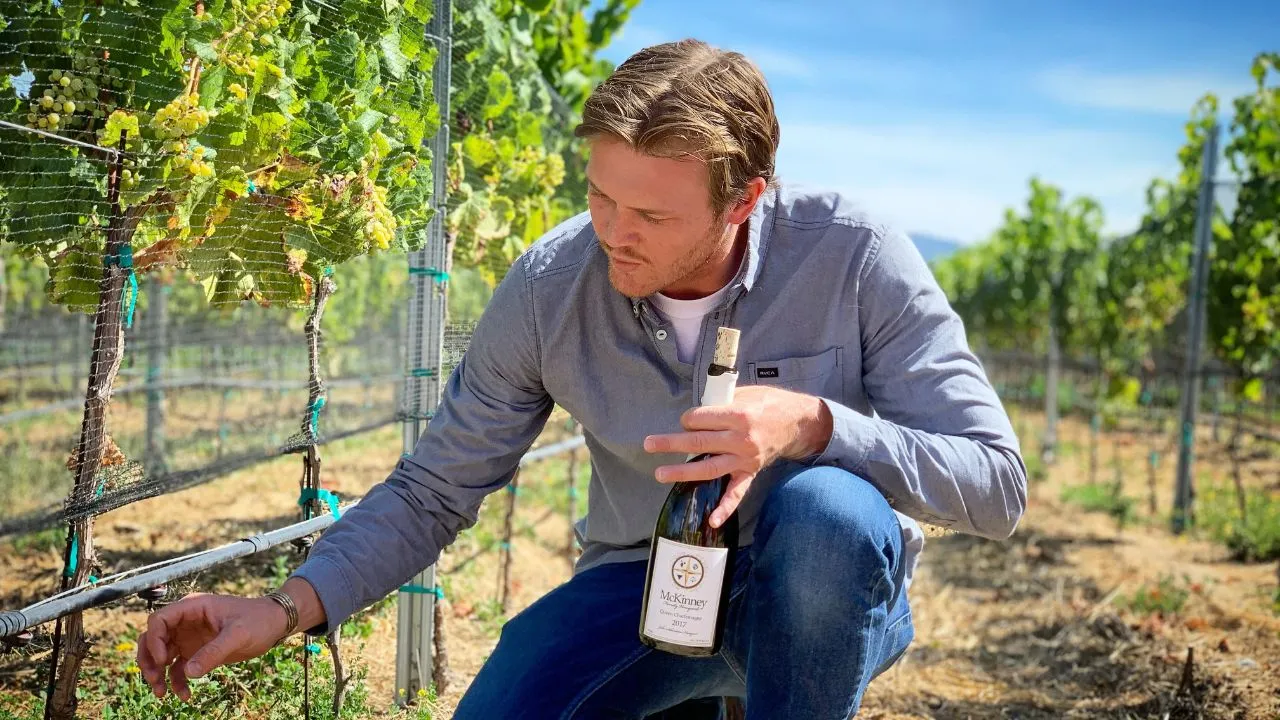
At Sustainable Wine Tours, the focus isn’t only on tasting wine but also on understanding where it comes from and how it’s made. Regulations like the 75% rule exist to protect both consumers and producers. For visitors who care about transparency, this rule reinforces trust.
Knowing what the 75 rule for wine is helps you appreciate the integrity behind sustainable winemaking. Many eco-conscious wineries go beyond these minimums, crafting wines that are both honest and environmentally responsible.
Their focus on purity and traceability means you’re tasting something made with intention and respect for the land.
Experience this purity firsthand with our Shared Wine Tour; small-group, seated tastings at private estates where you’ll meet the winemakers and taste limited-production wines with full transparency.
Practical Takeaways for Wine Tasters
If you want to make the most of your next tasting tour or bottle purchase, keep these points in mind:
- Always read the label carefully. It’s your first clue about what’s in the bottle.
- Remember that 75% is the legal minimum, not necessarily the exact percentage used.
- Don’t assume blends are inferior; they can add depth and structure.
- Ask your wine guide or sommelier how the blend composition affects flavor.
- Note that region-specific laws may apply, which could influence how “pure” a varietal is labeled.
By keeping these points in mind, you’ll move from casual drinker to informed taster, able to understand and enjoy wine on a deeper level.
Discover Authentic, Sustainable Wine Tours in California
If you’re curious to experience wines that truly live up to their labels, it’s time to explore California’s vineyards the right way. At Sustainable Wine Tours, every tasting is designed to give you deeper insight into how responsible winemaking and authenticity come together.
Enjoy small-group tours, exclusive access to hidden wineries, and personalized experiences led by local experts who value quality over quantity. Step beyond the label and see what sustainable, transparent winemaking really tastes like; book your wine tour today and sip with confidence.