
Understanding Wine Tasting Etiquette: Do’s and Don’ts for Beginners
You’ve been asked to participate in a wine tasting and all of a sudden your hands are sweating more than the condensation on a cold Chardonnay.
Will you look ridiculous swirling the glass?
Are you really supposed to spit the wine out?
What are you really even supposed to say other than “it was good”?
The reality is, wine tasting etiquette is not about being pretentious or proving that you belong to some exclusive group or club, it’s just a framework for enjoying wine, while demonstrating a basic understanding of courtesy to the maker, the other participants, and most importantly; the wine experience itself.
Whether you are headed to a boutique winery or invited to your first formal tasting, understanding these simple principles will help you shift from being anxious to appreciative.
Why Etiquette Matters in Wine Tasting
Let us cover some basics before we dive into the details. Wine etiquette exists for a purpose; it is not meant to make you feel bad about yourself. The way you hold a glass will affect the temperature of the wine.
The way you taste the wines will impact how the wines develop in your mouth. These are not random rules made up by wine snobs; these are things created over centuries of use to advance everyone’s experience.
If you are at a winery that cares about sustainability (like wineries that engage sustainable wine tours), these points matter even more.
These wineries care about creating wines that respect the land, and being mindful of your etiquette at a tasting demonstrates that you appreciate their efforts. That is the premise behind Sustainable Wine Tours, combining etiquette with eco-conscious itineraries.
Essential Do’s for Wine Tasting Success
Dress Appropriately and Skip the Fragrance
Believe it or not, your clothes matter. Wear something you can move freely in when you are touring vineyards or cellars, and you should leave your perfume, cologne, or very scented lotions at home.
Strong perfumes and colognes (even body sprays) disrupt everyone’s ability to smell the bouquet of the wine, which is such a big part of the flavor experience. Wineries that chose shared wine tours are reminded about the non-fragrance policy throughout the tasting.
Your lipstick or lip gloss should also be fragrance-free and as lightly scented as possible. Strong lipstick or lip gloss can affect how any wine, red or white, tastes, provided it has contact with your lips.
Hold Your Glass by the Stem
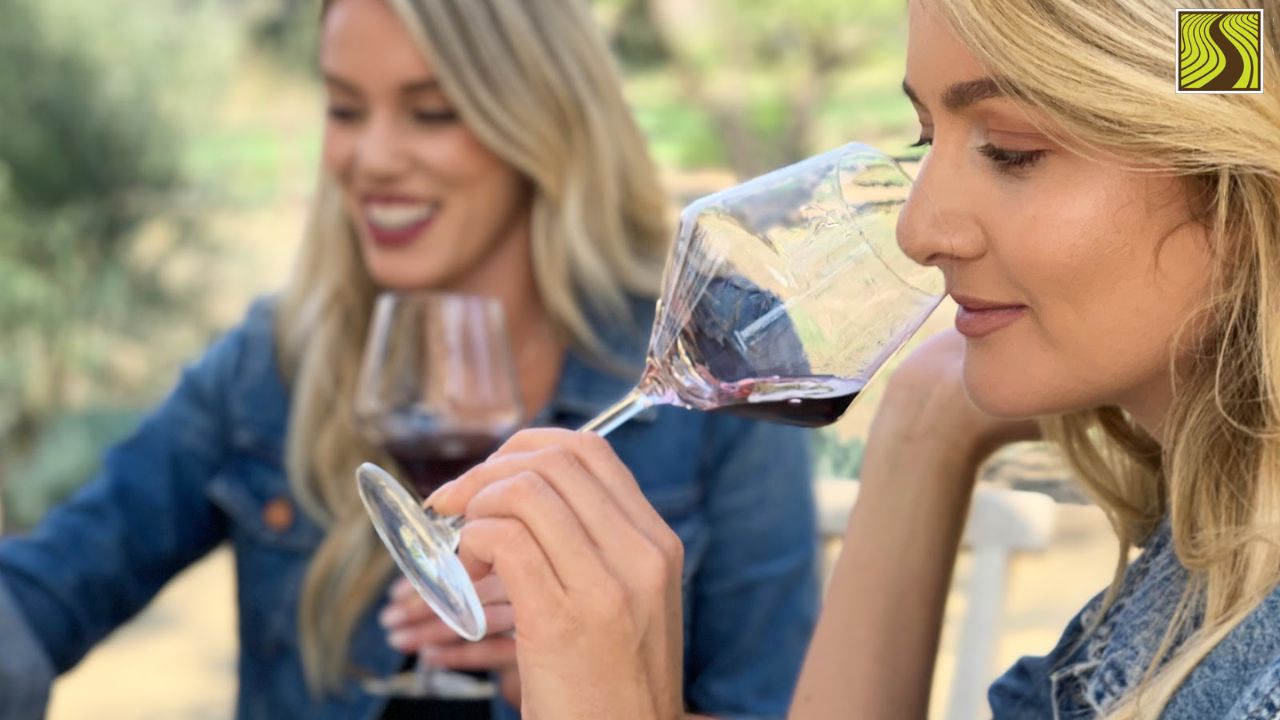
This isn’t about looking classy. When you hold a wine glass by the bowl of the stem, the heat from your hand inadvertently changes the wine’s temperature, which affects taste and aromas.
White wines are especially affected as they warm up too quickly. When you hold the glass stem with your thumb and forefinger and the rest of your fingers grasping the base, your hand is not introduced to the wine even before you’ve tasted it.
If you are tasting through a more substantial flight of wines, you will also discover that holding the stem keeps the fingerprints off the bowl, making it easier to evaluate the wine’s color and clarity.
Use the Proper Swirling Technique
Swirling the wine in the glass helps to release aromatics, which will allow you to enjoy its complexity. To swirl the wine in your glass without splashing it out of the glass, keep your glass on the table and perform small, slow circles with your glass. Once you become more comfortable with this motion, you can eventually lift the glass and swirl the wine with complete confidence.
Try to swirl the wine in a careful and purposeful way instead of swirling it aggressively. You are aerating the wine; you are not creating a whirlpool.
Engage Multiple Senses in Order
When we talk of wine tasting etiquette, there is a proper sequence in which to engage all your senses:
- Look at the color and clarity of the wine, preferably against some white background.
- Now, smell the wine before swirling and then once again after swirling. Do you notice differences?
- Take a small sip, let it coat your entire mouth, and then swallow it.
- The last step is to think about the finish, which is basically the flavor that lingers after you swallow.
Although the process may seem stuffy, following the sequence will help you notice things you might have otherwise missed. The color of the wine can tell you about its age and its body. The aroma of the wine will reveal its characteristics. The taste will confirm what your nose has already told you and will reveal levels of complexity.
Ask Questions Freely
Wine professionals genuinely want to share their knowledge. They’d rather answer what you consider a “basic” question than watch you pretend to understand something you don’t. Ask about the grapes, the fermentation process, the winemaker’s philosophy, or why one vintage differs from another.
Good questions enhance everyone’s experience because the answers often reveal interesting information that benefits the whole group.
Critical Don’ts That Define Drinking Wine Etiquette
Never Fill Your Glass to the Brim
Drinking wine etiquette involves knowing the right pour sizes. Wine glasses ideally should be one-third full for several reasons. The amount of wine in the glass provides enough surface area to aerate too, along with leaving enough room in the glass for swirling without spillage. It also gives the glass shape to concentrate the aromas up to your nose.
Last, if you are pouring for yourself, at a casual party, for example, do not fill your glass to the point of overflowing. The large bowl exists to aerate, not for volume.
Don’t Rush Through the Tasting
Wine tasting is not a race or drinking competition. Taking your time is a sign of respect for the wine and will help you actually taste the wine rather than drink wine. If you are at a structured wine tasting with multiple wines to be tasted, refrain from drinking too fast. Wine tasting should be a slow and gradual discovery process where the investment in each wine is appropriate.
Rushing also creates a better chance that you are going to drink too much, which undermines the goal of the tasting process in discovering the subtleties of the wine.
Avoid Making Others Feel Pressured to Drink
Not everyone has to finish each pour. Some individuals may spit during tastings, which is completely appropriate, even expected in formal events. Some simply may choose to skip a wine based upon taste or alcohol tolerance.
Never make someone drink more than they would like, or pressure them not to dump some wine in the dump bucket.
This consideration is important, especially when you remember that wine tasting etiquette is about experience and tasting wine rather than consuming it. On our private wine tours, we say spitting is fine, and always provide dump buckets.
Don’t Criticize Wine Aggressively
There is a distinct difference between expressing preference and simply making a judgment against someone else’s product. Stating your distaste regarding something with “this does not appeal to me” is just fine, but stating “this wine is totally gross” while in the winery where you purchased that wine is not.
Wine is subjective, especially when the wine purchase is from a winery and the staff are professionals representing the product, who realize not every wine appeals to every palette.
If you simply do not like what you are given, you may politely pass on another invitation for a pour and not share your feedback. The winemaker puts their expertise into that bottle of wine, regardless of whether it does not meet your preferences.
Never Wear Red Lipstick to a Tasting
This could also be seen as a minor detail, but wearing red lipstick yields unsightly impressions on the surface of the wine glass, which is distracting and displeasing for all parties involved, especially the restaurant or winery staff who have to clean the glass and manage that risk.
Conceivably, it would also prevent you from assessing the actual wine color through the glass if you use red lipstick. So, either choose nude silhouette shades for your lips or possibly even skip lipstick entirely.
Tasting Steps to Follow
Wine tasting involves more than just sipping. Each step allows you to engage your senses and form a complete impression of the wine.
Follow these simple steps for an authentic experience:
- Observe the Color: Hold the glass up to the light and note the shade and clarity.
- Smell the Aroma: Take gentle sniffs to identify the different scents before you taste.
- Taste Slowly: Take a small sip and let it move around your mouth. Pay attention to the texture and flavor.
- Note the Finish: The lingering taste, also called the finish, helps you understand the wine’s balance.
These actions form the foundation of proper wine tasting etiquette, helping you approach each glass with awareness and respect.
How to Interact During a Tasting
Conversations are an essential component of wine tasting; however, it is still courteous to exchange ideas and findings without speaking too long. Try to engage hosts and other guests in thought, and do not take over.
Some things to think about:
- Speak clearly and respectfully to the staff.
- Acknowledge their recommendations or insights.
- A friendly, courteous tone of voice.
- If you come to enjoy wines with a certain thought, share that thoughtfully while you are on board our sustainable electric vans.
Your behavior reflects good wine etiquette and creates a pleasant environment for everyone.
Common Misunderstandings About Wine Etiquette
Many beginners assume wine tasting requires expertise or rigid manners, but that’s not true. Good wine etiquette is more about awareness than knowledge.
You don’t need to know everything about vintage wines or varietals to behave respectfully. The goal is to be open-minded, considerate, and appreciative of the winemaking process.
Sometimes, guests think spitting is impolite, but in reality, it’s a normal part of tasting sessions. Similarly, asking questions or admitting you’re unfamiliar with certain terms is completely acceptable.
The focus should always be on learning and enjoying responsibly rather than performing.
Taste Wine the Right Way with Sustainable Wine Tours
Are you ready to put your wine tasting etiquette into action? Join Sustainable Wine Tours for an amazing day visiting the best vineyards in Santa Barbara, in a relaxing and respectful manner.
We are private, eco-friendly, and our skilled guides make wine tasting as simple and fun for everyone.
Learn and sip the art of wine, all while traveling in a sustainable way and in comfort. Book your Santa Barbara wine tour today and experience for yourself how awesome a professional wine tour is!