How to Taste Wine Properly: What Are the Basic Steps Beginners Should Know?
Picture the scene. A glass of wine is placed in front of someone at a tasting room. Everyone else suddenly looks like they were born holding a stem. They swirl with confidence, sniff like detectives, then say things like “wet stone” or “cat pee on a gooseberry bush” without cracking a smile. Meanwhile, the beginner freezes. Heart pounding a little.
Afraid to look stupid. That moment, that exact panic, is why most people never learn how to taste wine properly. They just pretend and swallow. Let’s change that right now, because tasting wine isn’t some secret club. It’s a skill anyone can pick up in an afternoon, and it turns good wine into mind-blowing wine.
Why Slowing Down Matters More Than Anything Else
Wine tasting isn’t an activity that can be rushed. It shouldn’t feel like something checked off a list. The pace affects the experience more than many realize. When the mind slows down, the senses finally catch up. The smell, the texture and the flavor all start to show up more clearly. A beginner often thinks wine tasting is about having a strong opinion. In reality, the first step is learning to pause long enough for the wine to speak for itself.
Understanding how to taste wine properly starts with recognizing that quiet observation always comes before judgment. The more time someone gives the wine, the easier it becomes to notice what makes each glass different. This is what helps a beginner feel more grounded instead of trying to guess what they’re supposed to sense.
That slow, thoughtful pace is what makes the tasting process feel natural instead of pressured, especially on a guided Santa Barbara wine tour.
Appearance: What the Eyes Notice Before Anything Else
Before any sip happens the wine shows a lot through appearance. The color, the clarity, the movement in the glass each tells part of the story. New tasters often underestimate this stage, but it sets the tone for everything that follows. The eye picks up clues long before the nose or palate gets involved.
Looking at wine with intention builds awareness. It teaches someone to pay attention and helps the brain tune in to the details that taste alone might miss. And once awareness becomes a habit, the entire tasting experience deepens in ways beginners usually don’t expect.
Understanding how to taste wine properly always includes a learning curve when trying to notice what the wine reveals visually because this step strengthens every stage that comes after.
Aroma: Why Smell Shapes most of the Flavor
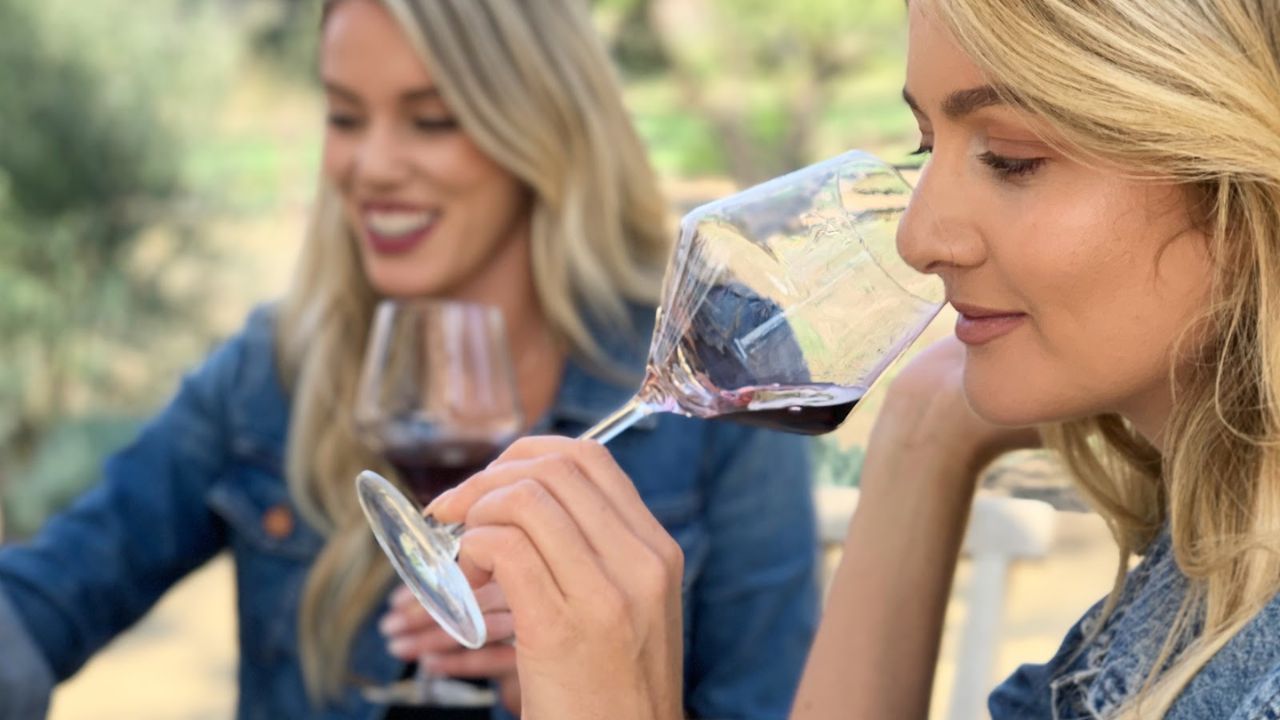
Most of what people think of as taste is actually aroma. The scents rising from the glass give depth to the experience long before the wine touches the tongue. This is where beginners often start to feel more connected to the process because aroma sparks curiosity.
The act of smelling the wine isn’t about getting every note perfectly right. It’s about training the senses to become more aware. When someone pays attention to the aroma, the brain begins to separate different layers. This isn’t about expertise. It’s about building sensitivity. Over time, this step helps beginners understand flavor with far more clarity.
Learning how to taste wine properly means embracing aroma as a central part of the process rather than skipping ahead to the sip, like in our shared wine tasting tours with small groups.
The First Sip: Where Texture, Flavor, and Balance Come Together
The first sip carries a lot of information at once. New tasters sometimes try to capture everything too quickly, which makes the experience feel confusing. Flavor takes time to show itself. Texture takes time. Balance takes time. The mouth adjusts with each sip and the wine reveals more the longer it sits on the palate.
Tasting isn’t about racing toward a final opinion. It’s about paying attention to what the wine does from the first moment to the last. The beginning, the middle, and the finish each have something to say. And when someone stays open to the full experience, the wine becomes easier to understand.
This is one of the most important parts of learning how to taste wine properly because beginners often discover that wine changes within just a few seconds. Noticing that shift is what turns tasting into something meaningful rather than mechanical.
Texture: Why the Feel of the Wine Matters as Much as the Flavor
Texture influences enjoyment in powerful ways. The smoothness, the weight, the way the wine moves across the tongue all contribute to the final experience. Some wines feel light. Others feel fuller. Some linger. Others finish clean and quickly. Texture helps explain why two wines with similar flavors can feel completely different.
Beginners often focus on taste alone and overlook texture. But paying attention to the feel of the wine helps create a more complete understanding. The more someone notices texture, the easier it becomes to distinguish one wine from another, even when flavors seem similar.
Learning how to taste wine properly always includes recognizing texture because it shapes the experience more than any single flavor can.
The Finish What Happens After the Sip
The finish is the last chapter of the tasting experience. It’s what stays behind after the sip ends. This is where flavor changes again. Sometimes it becomes softer. Sometimes it becomes stronger. Sometimes the experience fades quickly. Other times, it lingers in a way that surprises beginners.
Paying attention to the finish teaches beginners how wine evolves from beginning to end. This awareness helps the entire tasting process make more sense and shows how each stage fits together as one complete experience. For many new tasters, this is the moment when the wine finally starts to feel clear instead of confusing during a private wine tasting experience.
How Beginners Can Build Confidence Without Feeling Pressured
Confidence in wine tasting doesn’t come from memorizing terms. It comes from paying attention. It comes from slowing down. It comes from getting familiar with the steps and repeating them until everything feels natural.
Beginners often feel like they need to rush toward having strong opinions, but tasting is far more personal than most people realize. Each wine offers its own path, and each taster learns at their own pace. When someone allows themselves to enjoy the process, the pressure fades, and curiosity takes over.
Understanding how to taste wine properly means learning that there’s no perfect way to describe flavor and no right or wrong reaction. The only goal is connection awareness and appreciation.
Why the Right Environment Makes the Learning Process Easier
Wine tasting becomes more enjoyable when the setting feels comfortable. A crowded space filled with noise can make beginners feel rushed or distracted. A calmer setting makes it easier to pay attention to each step without feeling self-conscious.
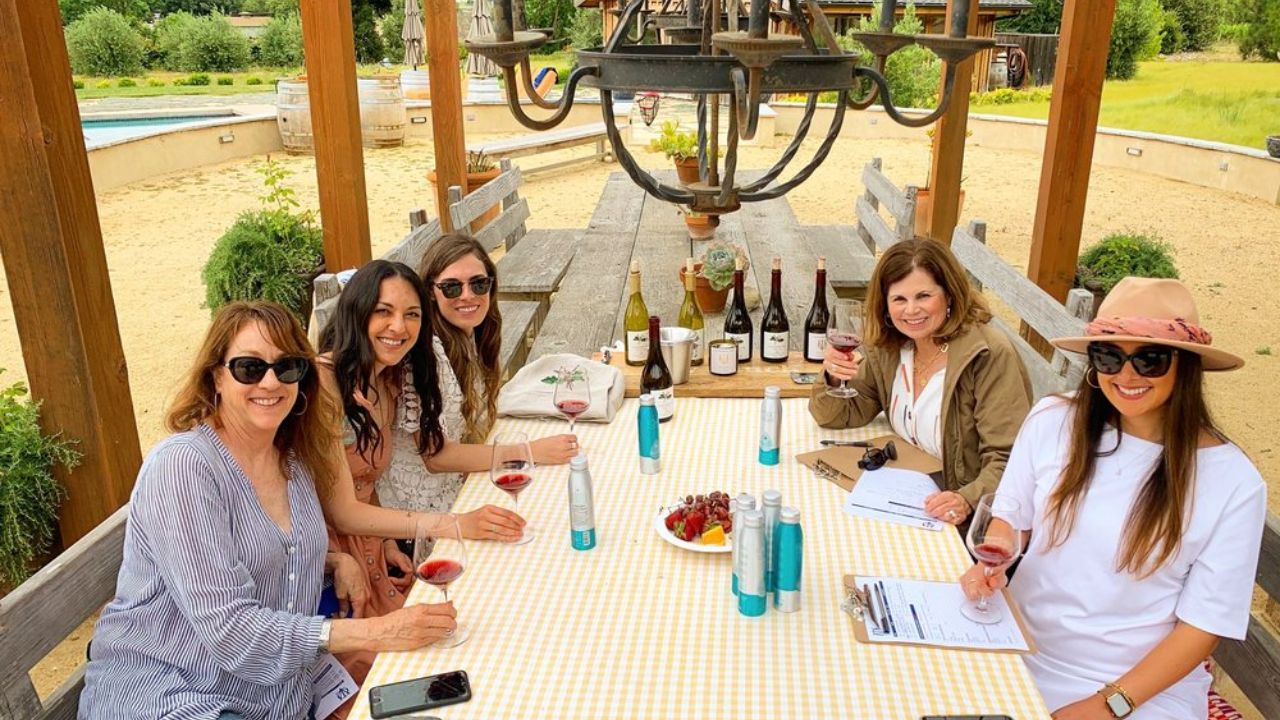
This is why many people choose guided or small group tours when learning how to appreciate wine. A supportive environment makes the process feel more welcoming. The guidance brings clarity without pressure. The setting creates a space where beginners can ask questions freely and taste at their own pace.
A relaxed environment gives beginners the space they need to learn how to taste wine properly without confusion or worry.
Ready to Taste With Confidence?
For beginners who want a calmer, easier way to learn tasting steps, a guided experience can make all the difference. Sustainable Wine Tours offers a relaxed small group setting that gives visitors time to slow down, focus, and enjoy wine without pressure. Every stop is chosen carefully so beginners can learn at their own pace in comfortable, peaceful spaces. It’s a welcoming way to build tasting confidence while exploring the heart of Santa Barbara wine country.