What Is the 75-85-95 Rule for Wine? The Secret Code Santa Barbara Winemakers Whisper (and How to Use It)
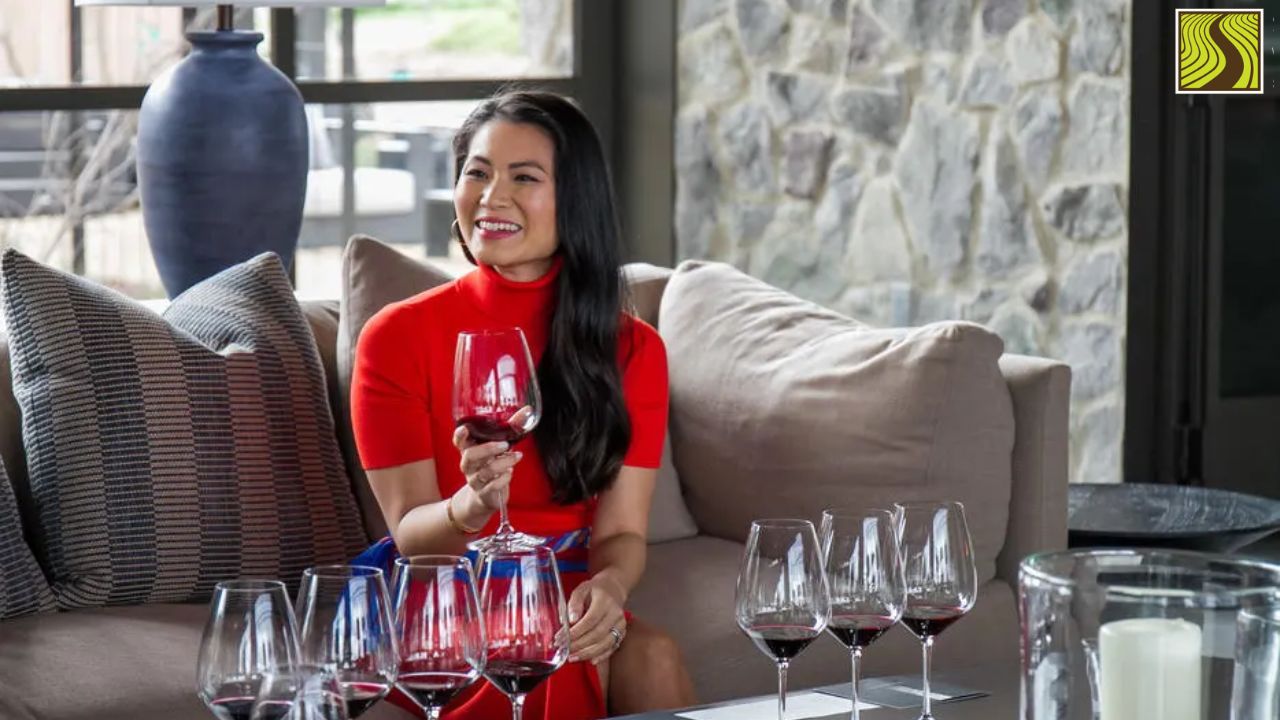
Ever stood in a tasting room, swirling a glass, pretending to know what’s going on while secretly wondering why one Pinot tastes like pure sunshine and the next feels like it’s been locked in a basement?
There’s a quiet little system that separates the magical bottles from the forgettable ones, and locals in Santa Barbara call it the 75-85-95 rule for wine. Once someone knows it, every pour starts making sense. Prices suddenly look fair. Palates level up overnight. Here’s the full breakdown, no gatekeeping.
Why This Rule Matters More Than Most People Realize
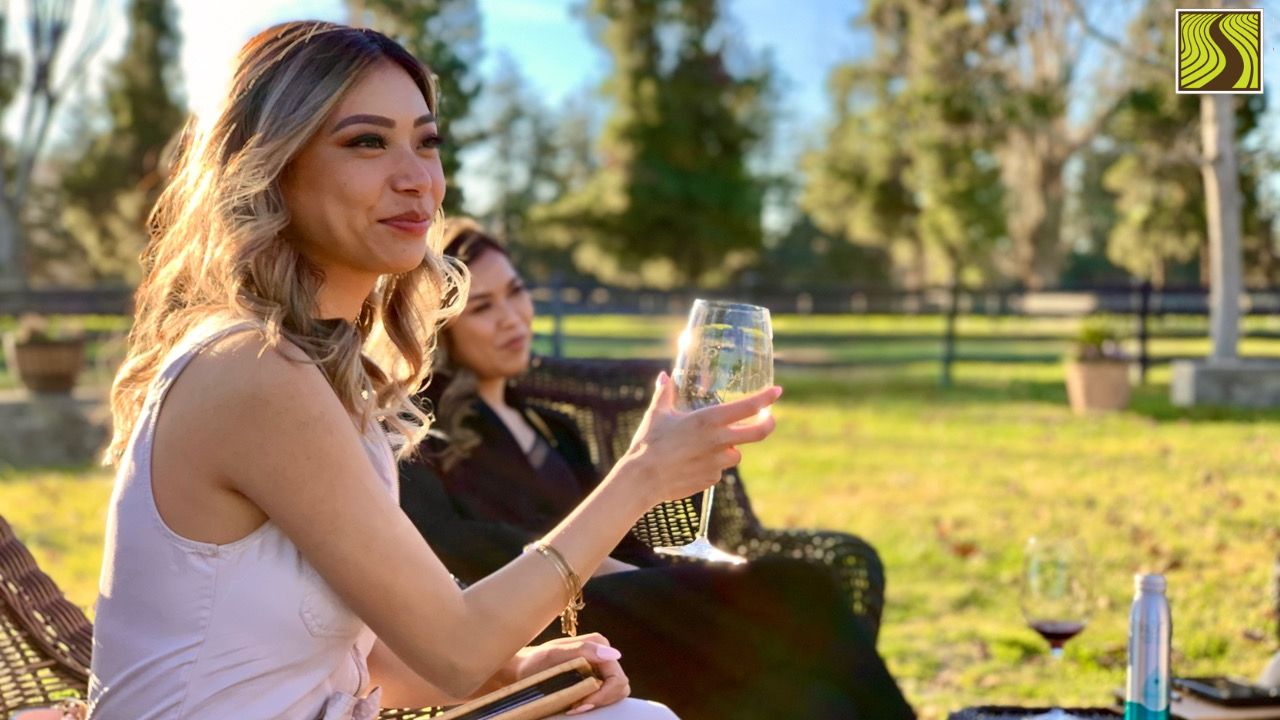
Wine can feel intimidating. Not because it needs to be, but because many people assume they have to memorize regions, flavor profiles, grape families, and long lists of terminology. But the beauty of this rule is that it simplifies all of that. It breaks down how wineries use numbers to communicate what’s inside the bottle.
Knowing what the 75-85-95 rule is for wine makes it easier to trust the label during Santa Barbara wine tours. It gives wine lovers a foundation. Not just for Santa Barbara tastings, but for wine anywhere. It helps cut through confusion. It helps decode naming. And it helps drinkers understand whether the wine reflects a grape, a region, or a specific vineyard.
This rule helps people avoid guessing. And once the guessing is gone, enjoying wine becomes easier. More relaxed. More like exploring at a comfortable pace rather than trying to keep up with complex conversations.
The Rule in Plain English
75-85-95 isn’t about alcohol percentage or residual sugar. It’s about when the grapes came off the vine, measured in Brix (the sugar level that predicts final alcohol).
- 75% of the fruit picked before 25° Brix
- 85% of the fruit picked before 26° Brix
- 95% of the fruit picked before 27° Brix
Hit those three targets and the wine ends up balanced, complex, and alive. Miss them; chase ripeness too far; and the wine turns heavy, hot, and one-dimensional. Simple. Brutal. Brilliant.
Why Sugar at Harvest Changes Everything
Grapes don’t ripen evenly. One cluster can be tart and green while the one next to it is already ripening. Winemakers walk the rows tasting berries like chefs checking steak doneness. They’re hunting the sweet spot where acid stays bright, tannins soften, and flavors explode. Wait too long, and the natural acidity in the grapes decreases rapidly, leaving the wine flat. At the same time, sugar levels rise, which ferments into higher alcohol, pushing flavors toward heavy, overripe, jam-like notes. Pick too early, and the wine stays thin and green. The 75-85-95 rule forces discipline; it’s a promise to leave the last, overripe 5–25% on the vine for the birds.
How Temperature and Coastline Make Santa Barbara Obsessed With This Rule
Cold Pacific fog rolls into the valleys every night. Morning temperatures barely hit 60°F even in September. That marine layer acts like nature’s air-conditioning, slowing sugar accumulation while flavors keep building.
Growers can hang fruit for weeks longer than in Napa without alcohol spiraling past 14.5%. The transverse valleys, running east-west instead of north-south, funnel that fog straight to the vines. Result? Santa Barbara can nail 75-85-95 almost every vintage, which is why the Pinots and Chardonnays taste electric and the Syrahs stay peppery instead of port-like.
Spotting a 75-85-95 Wine on a Tasting Sheet
Look for these quiet clues:
- Alcohol is listed between 12.8% and 14.1% (almost never 14.5% or higher)
- Words like “early pick,” “block selection,” or “multiple passes” in the notes
- Harvest dates stretching over three to five weeks instead of one big blitz
- Phrases like “physiological ripeness” or “flavor ripeness before sugar ripeness.”
When those appear together, someone followed the rule. You can taste all of them on our shared wine tours.
Acid: The Non-Negotiable Bodyguard of Flavor
Sugar gets all the headlines, but acid is the real hero. It keeps the wine refreshing even after an hour in the glass. Wines made under 75-85-95 usually land at pH 3.2–3.4 and titratable acidity above 6.5 g/L. Translation: the wine tastes like it has a spine. Drink it with food, and it sings. Drink it alone on the patio, and it still feels lively, never flabby.
Tannins That Don’t Feel Like Sandpaper
Late picking equals soft seeds and thick skins; hello, bitter, grippy tannins. Early-to-mid picking keeps seeds brown instead of black and skins thinner. The result is a silkier texture that coats the mouth without scraping it raw. Syrah and Grenache from Santa Barbara often taste like velvet because growers stop before that last 5% turns the wine chewy.
Aromatics That Jump Out of the Glass
Underripe fruit smells like grass clippings. Overripe smells like jam. The 75-85-95 sweet spot smells like the actual vineyard: sea salt, crushed rocks, wildflowers, bright red fruit. Cool-climate varieties, especially Pinot Noir, Chardonnay, and Sauvignon Blanc, turn electric when acid and flavor peak together while sugar still lags.
How Winemakers Actually Execute the Rule in the Vineyard
Multiple harvests are key. Crews walk the same rows three, four, or even six times across a month. The first pass takes the earliest blocks. The second pass grabs the middle. Final pass leaves the laggards or drops them on the ground. Nets go up to keep birds from eating the profitable 95%. It costs more in labor, but the blending options explode. One vineyard can produce a vibrant rosé, a silky red, and a late-pick reserve from the same rows.
Blending Magic After Harvest
Winemakers rarely bottle single picks. They taste every bit blind, then build the final wine like a chef adjusting seasoning. The early-pick lots bring acid and tension. Mid-pick lots add fruit and body. That last 5–15% might go into a sweeter late-harvest bottling or get sold off. The blend has to hit the 75-85-95 targets in the final wine, not just the vineyard averages.
Why Some Famous Regions Struggle With the Rule
Napa Cabernet growers often push past 28° Brix chasing “physiological ripeness,” ending up with 15–16% alcohol monsters that need water added back (legal, but telling). Paso Robles can hit 95% before 27° Brix in hot years, making balanced Syrah almost impossible. Santa Barbara’s cold pockets let growers relax and wait for flavor without sugar penalties.
Spotting the Opposite: The Overripe Red Flags
Alcohol is creeping above 14.5%. Notes bragging about “hang time” or “tiny yields.” Flavors of raisin, prune, or blackberry jam. A finish that feels hot instead of refreshing. Someone ignored what the 75-85-95 rule for wine is? and chased points instead of balance.
How to Taste the Rule in Action
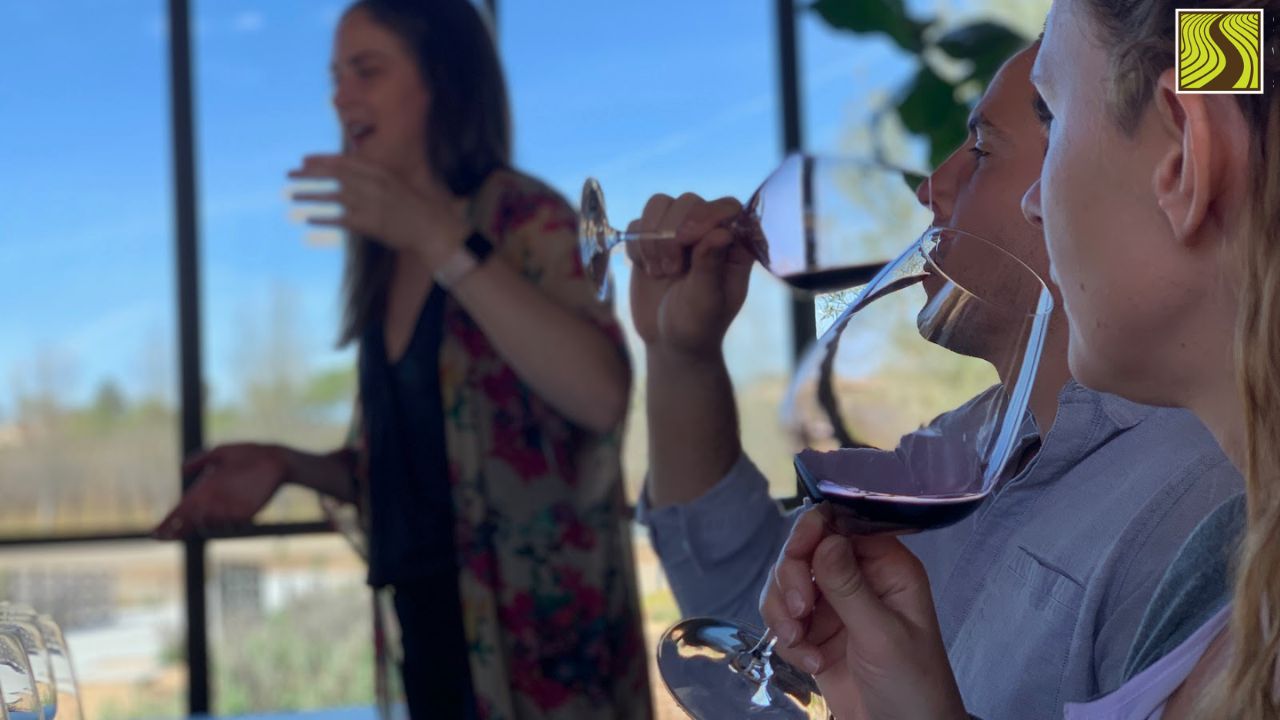
Swirl and sniff; bright red fruit and flowers instead of cooked black fruit. First sip: acid tingles the sides of the tongue immediately. Mid-palate feels layered, never heavy. Finish lingers with freshness, begging another sip. The wine evolves in the glass for an hour instead of falling apart after ten minutes. That evolution is the signature of the 75-85-95 discipline.
Pairing Food With 75-85-95 Wines
These wines play nice with everything. Grilled salmon with lemon? The acid cuts richness. Spicy Thai? Residual freshness cools the heat. Cheese board? Tannins stay polite. Heavy cream sauces are the only real enemy; everything else becomes a friend.
The Price Reality Check
Following the rule costs more: extra harvests, bird netting, and lower yields. Yet Santa Barbara bottles that nail 75-85-95 still land between $35 and $65 in most tasting rooms. Compare that to $150+ Napa cult Cabs that broke the rule chasing power. Balance suddenly looks like the better deal.
The Bottom Line
Next time standing at a tasting bar in Los Olivos or the Funk Zone, glance at the alcohol percentage and harvest notes. If the numbers sit low and the winemaker talks about multiple picks, lean in. A quiet revolution happened in those vineyards; someone respected the grapes enough to leave the last sugary bits behind. That restraint is why Santa Barbara wines taste alive, why they age gracefully, and why one glass never feels like enough.
Understanding what the 75-85-95 rule for wine doesn’t make anyone a snob. It just means never again paying for jammy, hot wine that sounded fancy on the shelf. It means every bottle brought home actually gets finished and enjoyed instead of pushed to the back of the rack.
That’s the kind of knowledge worth carrying into every tasting room from now on.
Ready to Understand Your Wine on a Whole New Level?
A question like What is the 75-85-95 rule for wine? becomes a lot easier to appreciate when someone guides you through it in the place where the grapes actually grow. That’s what Sustainable Wine Tours does so well. Smaller groups, peaceful vineyard settings, and hosts who share real knowledge without making anyone feel overwhelmed turn each tasting into a relaxed learning experience.
Guests get unhurried time in private vineyards, organic farms, and family-run wineries where this rule comes to life in every pour. For anyone wanting a deeper, calmer, more meaningful tasting day in Santa Barbara, this is the kind of tour that makes the wine and the story behind it unforgettable.