How Much Does It Cost to Go to Santa Barbara Wine Country Tours for Small Groups?
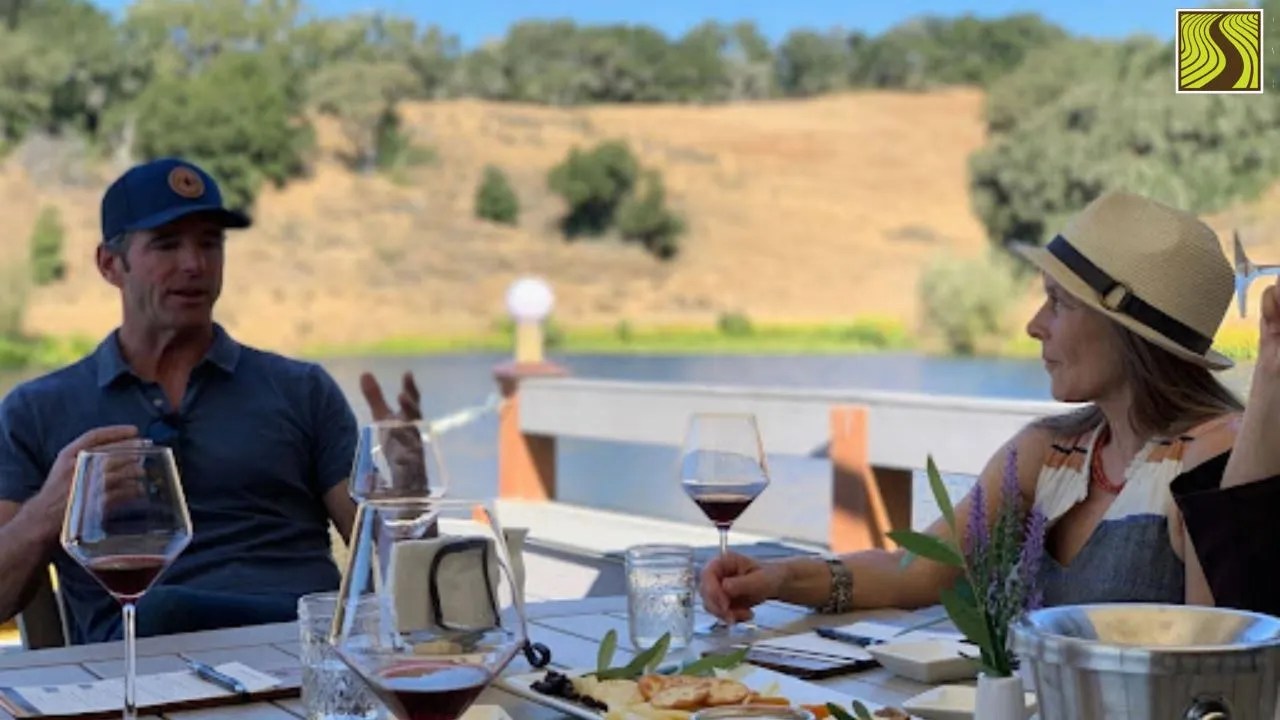
Ever pulled up to a vineyard in Santa Barbara, the air thick with eucalyptus and that faint whisper of ocean salt, ready for a day of swirling glasses and stories from winemakers… only to freeze when the host asks, “So, what’s your budget look like?”
That hesitation hits hard. Everyone dreams of those rolling hills dotted with vines, the kind of escape that feels indulgent yet grounded. But pinning down the numbers without feeling overwhelmed? That’s the real puzzle. For small groups, where the vibe stays intimate and the discoveries feel personal, costs can shift like the morning fog burning off the coast. Here’s the clear-eyed guide to how much it costs to go on a Santa Barbara Wine Country Tours, broken down so planning turns from stress into simple excitement.
Why Small Group Tours Hit Different (And Why They Cost What They Do)
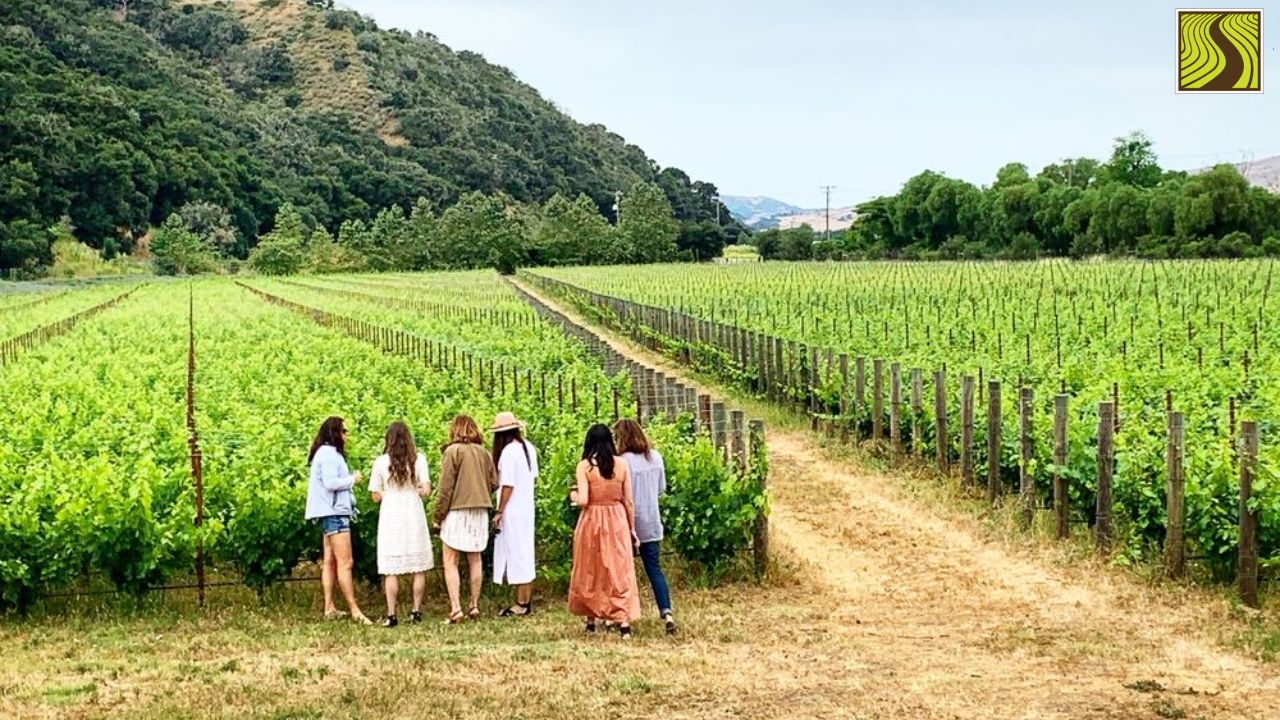
Santa Barbara’s wine country stretches across six unique AVAs, from the cool-climate Sta. Rita Hills fog pockets to the sun-soaked Happy Canyon edges. Small groups; think four to eight people; keep things tailored, skipping the bus-tour shuffle for private insights at family-owned spots on small group wine tours in Santa Barbara.
That personalization drives the price, but it also delivers value that lingers long after the last sip. Operators factor in fuel for winding roads, expert guides who know every block’s backstory, and those seamless transitions between tastings that make the day flow like a well-aged Chardonnay.
The Baseline Range: What Shapes the Numbers
Tours for small groups typically cost between $150 and $350 per person. That spread reflects everything from half-day jaunts to full-day epics, plus additional costs depending on the season or add-ons for seasonality or add-ons. Spring and fall see the lower end more often, when vines are budding, or harvest wraps up, easing demand on vehicles and staff. Summer peaks nudge toward the higher side, with longer daylight stretching those vineyard walks. Winter? Quieter, sometimes dipping below $150 for off-peak serenity. The beauty lies in the flexibility; no two groups pay exactly the same because no two days unfold identically.
Half-Day Tours: The Gentle Entry Point
These run about three to four hours, perfect for dipping toes without committing the whole afternoon. Expect $150 to $225 per person for a shared small group tour. The cost covers pickup from your Santa Barbara hotel or Airbnb, a couple of stops at boutique wineries, and guided tastings that highlight sustainable practices; think regenerative farming chats over flights of Pinot Noir.
Transportation in a luxury van or SUV keeps the group cozy, with chilled water and light snacks included to stave off that mid-tasting hunger. Why the range? A focus on one AVA like Ballard Canyon might trim to $150, while a mix of urban Funk Zone spots and rural gems pushes to $225 for the varied mileage.
Full-Day Immersions: Where the Real Stories Unfold
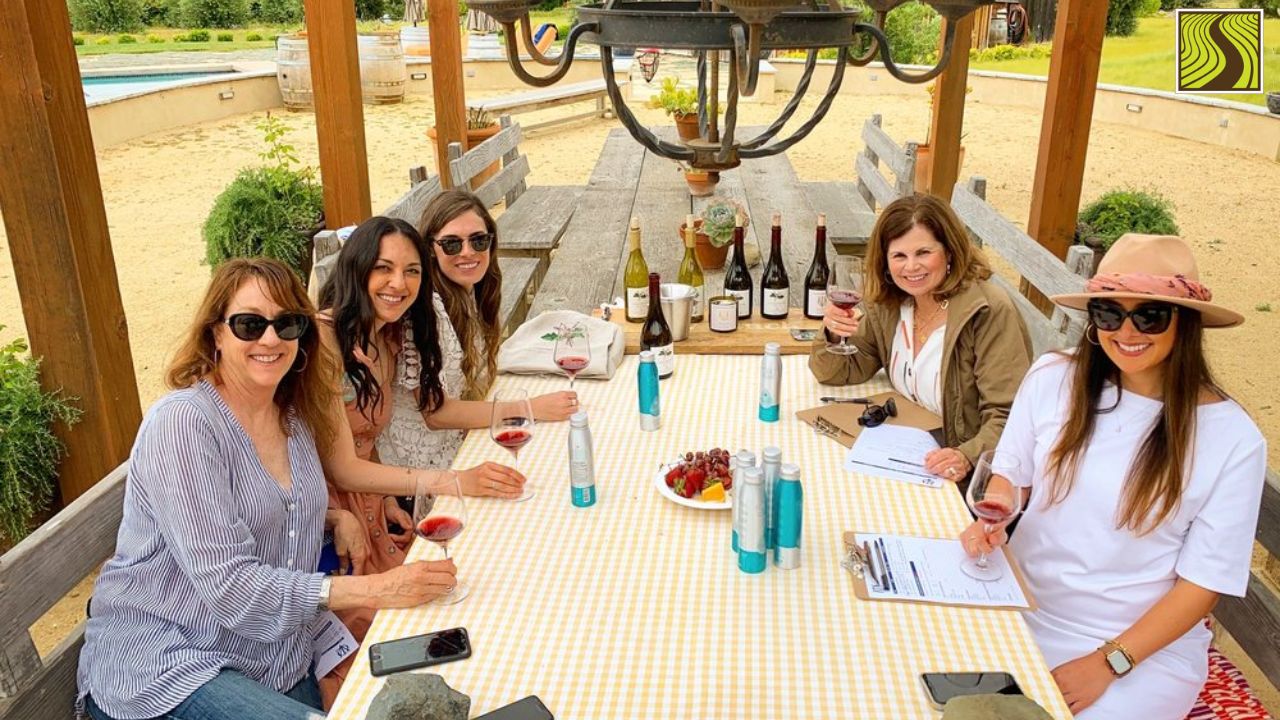
For a longer, full day tour lasting six to eight hours, prices hover, six to eight hours unlock the full tapestry. Prices hover $250 to $350 per person. Start with a morning hotel shuttle, weaving through Foxen Canyon to spots where winemakers share soil secrets over breakfast pairings. Lunch at a vineyard table; fresh salads, charcuterie, and local cheeses; flows into afternoon pours of Grenache or Syrah, each flight curated to the group’s pace.
The higher end often bundles exclusive access, like barrel tastings or owner-led tours, justifying that $350 when the day ends with sunset views over Lake Cachuma. Fuel, permits, and those insider connections add up, but so does the sense of having truly wandered the rows.
Private vs Shared Small Groups: The Personal Touch Premium
Shared small groups are caped at eight, blending strangers into easy conversations, often at the lower range of $150–$275. Private setups; just your crew; command $250–$400, sometimes more for ultra-custom like helicopter hops between estates. The jump makes sense: dedicated guides tailor stops to dietary needs or wine preferences, turning a tour into your story. Shared saves on splitting costs, while private ensures zero compromises on those quiet moments savoring a rare vintage.
What’s Bundled In (And What Sneaks In Extra)
Most tours wrap in transportation, tastings at three to five venues, and a knowledgeable host who navigates the backroads like an old friend. Bottled water, non-alcoholic options, and basic gratuities for pourers keep things seamless. Lunch on full days? Usually yes, sourced from farm-to-table partners emphasizing local bounty.
But extras like premium pairings, truffle-infused bites, or sommelier-led seminars can add $50–$100. Transportation from farther afield, say Ventura or Solvang stays, might tack on $25–$50 per person. Booking fees? Rare, but always confirm; many operators waive them for direct reservations.
Group Size Sweet Spots and Savings
Four people? That’s the magic minimum for balanced dynamics, keeping costs per head steady. Six to eight spreads the fixed expenses; van rental, guide time, thinning the per-person cost by 15–25%. Larger small groups near eight maximize value without losing intimacy. Solo travelers or couples might pay a private minimum; $800–$1,200 total, but pairing with another group halves that burden. Operators love mixing compatible crews, turning potential solos into shared adventures at standard rates.
Sustainable Focus: Why It Influences the Bottom Line
Santa Barbara’s scene pulses with eco-conscious ethos, and tours leaning into that; visits to solar-powered estates and dry-farmed vineyards typically include a 10–15% green premium, channeling funds into carbon offsets and biodiversity projects that enrich the tour experience sustainable wine tours.
That extra funds carbon offsets or biodiversity projects, like pollinator habitats amid the Cabernet rows. Yet it circles back as richer experiences; tastings of low-intervention wines that taste of place, not process. For groups prioritizing the planet alongside palate, the slight upcharge feels like investing in tomorrow’s pour.
Hidden Gems in the Cost Structure
Transportation dominates at 30–40% of the total, with electric or hybrid fleets trimming fuel while adding that quiet glide through oak groves. Expertise at the wineries themselves accounts for another 25%, where educators and winemakers share knowledge that makes even questions about clonal selections receive thoughtful, informed answers.
Tastings themselves? 20–30%, negotiated in bulk for flights that might retail $40–$60 each at the bar. The rest covers insurance, maintenance, and those little touches like chilled towels after a warm vineyard hike. Transparency shines here; reputable outfits break it down on request, building trust sip by sip.
Comparing to Larger Tours: The Value Equation
Big-bus operations dip to $100–$150 per person, but trade intimacy for efficiency. Small groups flip that; higher upfront, yet exponentially more memorable. A $300 day yields stories for years, connections with fellow travelers who become pen pals, and discoveries like a hidden Riesling plot that changes how anyone thinks about cool-climate whites. The math favors small when measuring joy per dollar; those larger tours often leave folks herded and hurried, while boutique runs let the landscape breathe. They also open doors to smaller wineries and tailor itineraries around guest interests, creating experiences that feel personal rather than packaged.
Tips for Stretching the Budget Without Skimping
Opt for shoulder seasons to snag $50–$75 savings. Mid-week slots quiet the roads and rates. Bundle with hotel packages for 10–15% off, turning a tour into a seamless stay. Groups of six or more unlock loyalty perks like complimentary upgrades. And always ask about wine club intros; many tastings waive fees for sign-ups, effectively dropping the net cost. Flash deals pop up on operator sites mid-month, especially for flexible dates.
The Emotional Return That Outweighs Every Penny
Beyond the ledger, these tours weave something deeper. The way afternoon light filters through Chardonnay leaves, turning glasses amber. Laughter echoing as a guide recounts a vintage’s quirky birth. That quiet satisfaction of supporting stewards who treat the land like a legacy. Costs range $150–$350, sure, but they buy hours where worries dissolve into the horizon. For small groups, it’s fewer transactions, more transformation; a day that resets perspectives and refills souls.
So when wondering how much it costs to go to Santa Barbara Wine Country Tours, remember the range reflects choices, not barriers. Pick the half-day for a taste, the full for a deeper dive, or a private tour for a personalized experience. Whatever the number, it leads to vines that whisper secrets and wines that echo long after the glass empties.
That’s the true vintage of Santa Barbara; worth every measured drop.
Make Your Wine Country Day Feel Worth Every Dollar
Anyone wondering how much it costs to go to Santa Barbara Wine Country Tours? deserves a tour that feels personal, peaceful, and totally stress-free. That’s exactly what Sustainable Wine Tours is known for. Small groups only, access to private organic vineyards, a calm pace that lets everyone relax, and hosts who actually care about creating a meaningful experience. It’s the kind of day where the cost feels justified the moment the first vineyard comes into view. If the goal is a premium wine country experience without the crowds or pressure, this is the tour that delivers it.