How to Build a California Wineries List That Feels Iconic and Personal at the Same Time
Every serious wine trip starts the same way.
Too many options. Too little clarity.
California produces more wine than most countries, not just regions. That abundance is exciting, but it can also paralyze decision-making. Famous names dominate search results, while smaller producers quietly deliver some of the most meaningful tasting experiences in the state.
Building a strong California wineries list is not about choosing the most talked about places. It is about designing an experience that feels intentional, balanced, and rewarding from the first tasting to the last.
This requires a strategy. Not guesswork.
Understanding California’s Wine Regions: The Big Picture
The state is separated into six major regions: North Coast, Central Valley, Central Valley, Inland Valleys, Mountain Region (Sierra Foothills), Desert Region, and South Coast. Every area has its distinctive grounds, weather, and styles.
On the North Coast, you will find the most iconic wineries. For example, Napa Valley holds the crown for Cabernet Sauvignon, its vineyards shaping some of the most iconic bottles in California. Close to it is Sonoma County, a very diversified area with the production of a wide range of wines from delicate Pinots to powerful Zins. These places, in fact, are packed with visitors. Beautiful estates. Historical importance. Wines of the highest level.
The Central Coast is much longer, and it is more varied in terms of the weather and the wines. For instance, Paso Robles is becoming hotter and hotter for making Rhône-style reds surrounded by very old oaks. On the other hand, Santa Barbara County, with the ocean influence, is famous for the production of high-quality Pinot Noir and Chardonnay.
The valleys of Edna and Santa Maria add more freshness to white wines. The region has a good mixture of names that have been established for a long time and producers of small bunches who are more concentrated on the use of natural resources.
The farther you go up, the more Mendocino County looks like a place that is far away and calm. It is an area that leads in the production of wines from organically grown grapes, cool seasons producing sparkling wines, and aromatic Alsatian varieties. Anderson Valley, for example, is famous for its foggy mornings and easy wine tasting sessions.
Though not as famous with tourists, Lodi stands out for its dedication to sustainable practices and its legendary old-vine Zinfandel flourishing in the delta climate. The Sierra Foothills take one back to the era of the Gold Rush with the production of rugged and expressive wines that tell the stories of that time. Lake County is on its way up; it is becoming very popular because of its volcanic soils, which are perfect for making structured Sauvignon Blancs and Cabernets.
It’s a matter of plotting them on the map to reveal
Or to put it simply: The renowned regions provide the landmarks, while the hidden ones deliver more intimate stories and uncrowded charm.
Start With a Clear Definition of Balance
Balance does not mean splitting the list evenly between famous and unknown wineries.
It means understanding the role each one plays.
Iconic regions bring credibility and context. They anchor expectations and provide a reference point for quality and style. Hidden local gems bring depth, character, and surprise. They often reflect the land more honestly and offer quieter, more personal tasting environments.
A well built California wineries list uses both to create contrast without conflict.
Understand Why Iconic Regions Still Matter
Iconic California wine regions earned their reputation through decades of consistency.
These regions help establish a baseline for taste and structure. They provide a shared language for understanding California wine. Skipping them entirely often leaves a list feeling disconnected or incomplete.
The mistake is not including iconic regions. The mistake is letting them dominate the list to the point where every stop feels similar in scale, pace, and energy.
Identify the Hidden Value of Smaller Producers
Smaller wineries often operate without the pressure of mass appeal. That freedom allows for more focused farming, restrained production, and greater attention to detail.
These producers are usually closer to their vineyards and more willing to share nuance. The experience tends to be slower. More thoughtful. Less transactional.
Including them transforms a California wineries list from a highlight reel into a layered experience.
Build the List Around Experience Style, Not Just Location
Geography matters. But experience matters more.
Some wineries emphasize education. Others emphasize the atmosphere. Some feel social. Others feel meditative. A list built only around a region risks emotional repetition.
Experts evaluate how each winery contributes to the overall flow of the day. Energy levels. Conversation pace. Sensory intensity.
A strong list alternates experiences naturally, so no single style overwhelms the day.
Use Sustainability as a Strategic Filter
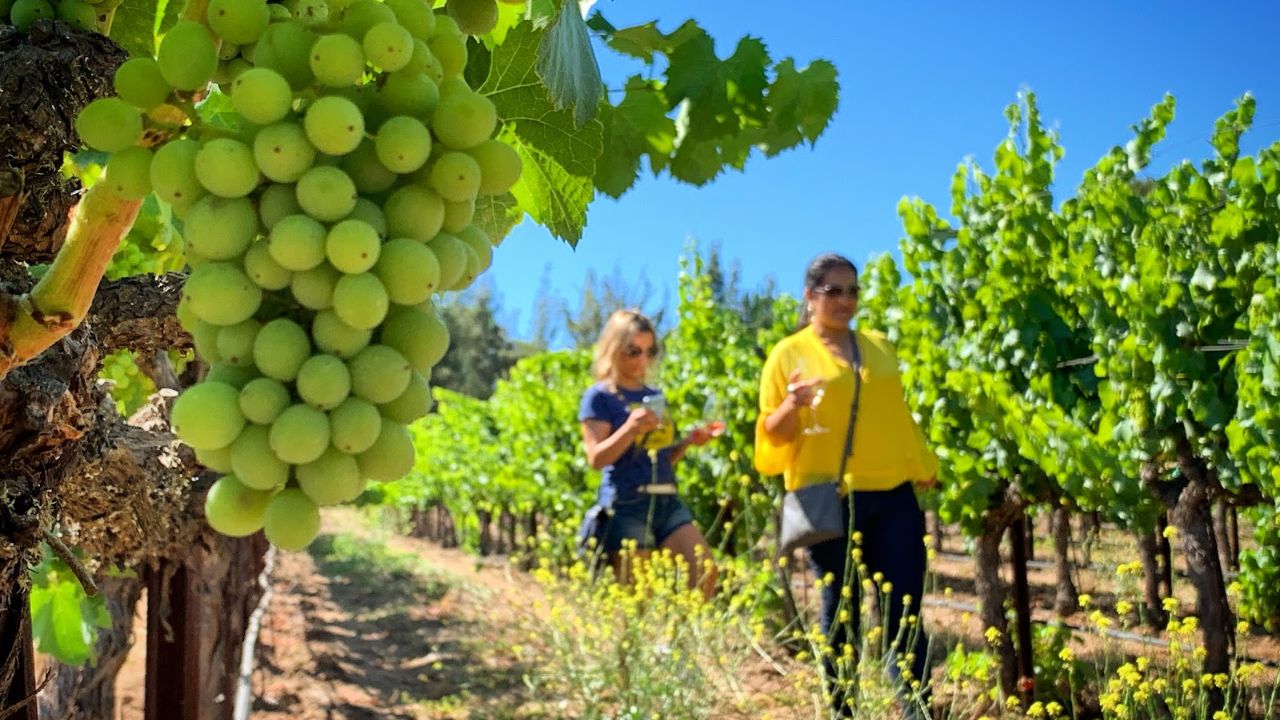
Sustainability is not a trend. Wineries committed to sustainable practices prioritize long-term quality over short-term volume. That philosophy influences everything from farming decisions to tasting room design.
Using sustainability as a selection filter creates cohesion across California wineries. It aligns producers around shared values, even when they differ in scale or recognition.
Explore tours built around this principle with our sustainable wine tours.
Limit the List to Protect Quality
Overcrowded lists dilute experience.
Each winery visit demands attention. Mental. Sensory. Emotional. Packing too many stops into one itinerary reduces retention and enjoyment.
Experts design lists that allow space between tastings. Space to reset. Space to reflect. Space to actually remember what was tasted.
A shorter list almost always delivers stronger impressions. Let us curate a relaxed all-day wine tour with limited stops for deeper enjoyment.
Think in Sequences, Not Individual Stops
Transitioning into quieter, vineyard-focused tastings deepens appreciation. Ending with calm, reflective environments allows the experience to settle.
This sequencing creates rhythm. A California wineries list should read like a well-paced story, not a random collection of chapters. Experience it firsthand on our private wine tours designed for perfect pacing and contrast between iconic and hidden gems.
Respect Distance and Travel Fatigue
California’s scale can quietly undermine even the best lists.
Long drives drain energy and compress tasting time. Experts cluster wineries thoughtfully, prioritizing depth within regions rather than constant movement between them.
Reducing travel friction keeps focus on wine, not logistics. Remove the hassle entirely with our small-group shared tours that handle all driving and planning.
Avoid Popularity-Driven Decisions
Popularity is often driven by visibility, not quality.
High traffic wineries may offer impressive settings but limited personal engagement. Smaller producers often provide richer insight with fewer distractions.
An expert-level California wineries list evaluates substance over buzz, choosing wineries based on what they contribute to understanding, not how often they appear online.
Design for Emotional Pacing
Wine tasting is sensory, but it is also emotional.
Crowded environments stimulate. Quiet spaces ground. A balanced list moves between these states intentionally.
This emotional pacing prevents fatigue and keeps curiosity alive throughout the day.
Revisit and Refine the List Over Time
The best lists evolve.
Producers change. Vintages shift. Priorities mature. Revisiting the list keeps it aligned with current values and standards.
This ongoing refinement is what separates casual planning from expert curation.
Why Balance Defines the Best Wine Experiences
Balance protects intention.
It prevents sensory overload. It encourages curiosity. It creates space for connection with both wine and place.
By blending iconic regions with hidden local gems, a California wineries list becomes more than a plan. It becomes a framework for meaningful exploration.
Final Perspective on Building a California Wineries List
Expert wine lists are not loud. They are precise.
They honor reputation without being controlled by it. They value craft over crowd size. They prioritize experience over excess.
When built with care, a California wineries list reflects not just where wine is produced, but how it deserves to be experienced. With attention. With respect. And with room to slow down.
Want Help Turning Your Winery List Into a Real Plan?
Building a California wineries list is one thing. Making it flow smoothly is another. Sustainable Wine Tours helps take the guesswork out by designing small group experiences that mix well-known wine regions with quiet, lesser known vineyards. With a strong focus on sustainability, relaxed pacing, and thoughtful winery choices, the planning feels easy and personal. If the goal is a wine day that feels balanced instead of rushed, this is where the list starts coming to life.