How Nature’s Early Rains Set the Stage for an Exceptional Wine Tour Season?
Fifteen inches of rain since September marks a dramatic departure from Santa Barbara’s norms, exceeding the typical annual total of twelve to eighteen inches that usually arrives in January through March.
This early deluge reached vines right before dormancy, when roots actively seek nutrients and moisture to store for the season ahead. Nature’s precise timing simplifies the work at boutique estates, allowing growers to watch, listen, and respond with minimal intervention.
The Science of Timely Rainfall
Rainfall volume alone does not determine vine success; timing dictates it. Santa Barbara’s Mediterranean climate delivers most precipitation during winter, leaving fall dry and testing root systems.
This season has already gotten fifteen inches, confirmed by local gauges pushing year-to-date totals over 100% of normal by early January, saturated soils when vines could use it most. Roots extended deeper into the earth, absorbing nitrogen, potassium, and water reserves essential for bud break and canopy development come spring.
Pre-dormancy hydration avoids the pitfalls of later storms. Excess water during active growth risks root rot, nutrient leaching, or overly vigorous foliage that dilutes fruit concentration. Fall rains, however, channel energy underground, fortifying the plant’s core. Santa Barbara’s Pinot Noir and Chardonnay vines, known for bright acidity and layered textures, stand to gain structure and depth from this pattern.
Small-production wineries, focused on organic methods, report healthier baselines without supplemental irrigation, a cornerstone of their sustainable certifications.
Growers monitor these shifts through soil probes and weather stations, adjusting cover crops to retain moisture. The result emerges in balanced vine architecture: compact canopies that promote even ripening and disease resistance. Visitors during upcoming tours will trace this foundation from vineyard rows to the glass, understanding how early abundance translates to sipping complexity.
Vine Dormancy Unpacked
Dormancy represents a vine’s reset button, typically starting in late fall as leaves yellow and drop. Underground, roots remain metabolically active for weeks, scavenging resources before metabolic slowdown.
Early rains exploit this window perfectly, replenishing aquifers and subsoils in Santa Barbara’s transverse valleys where drainage excels. Coastal fog and moderate temperatures prevent puddling, turning potential excess into a strategic stockpile.
Family-owned estates, inaccessible to the public, embody responsiveness. They deploy regenerative practices like no-till farming and native plantings that enhance water infiltration. This year’s precipitation eased pressure on aging infrastructure, preserving groundwater for drier months.
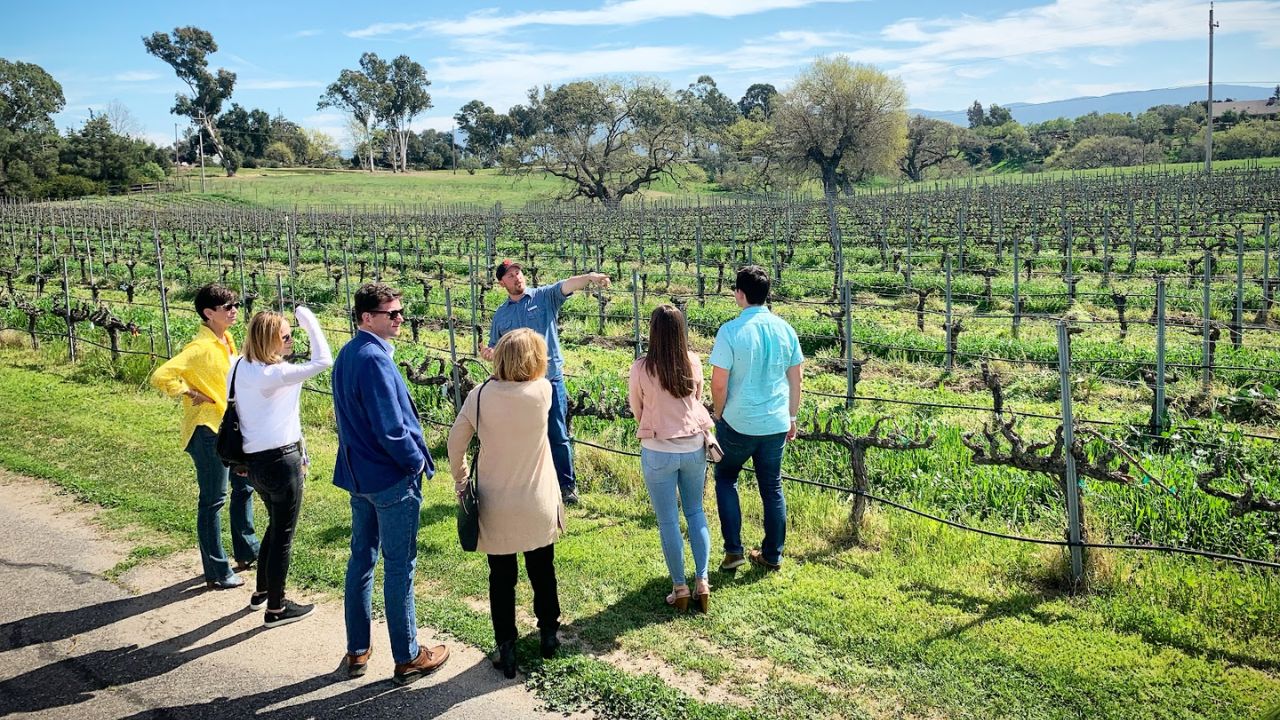
Tours reveal these nuances through guided walks, where guides point out root flares and soil profiles enriched by recent events. Guests leave with concrete knowledge, not vague impressions, appreciating the interplay of meteorology and viticulture.
Santa Barbara’s Geographic Advantage
The region’s unique layout amplifies rain’s benefits. Transverse valleys, running east-west, unlike California’s north-south norm, invite marine air and fog that stabilize daytime highs in the mid-seventies. This setup, combined with sandy loam soils, facilitates deep percolation during fall storms. Historic records show averages skewed heavily winterward, making September’s contribution rare and rewarding.
Sustainable dry farming, revived amid drought cycles, thrives here. Vines develop extensive root networks, sometimes reaching twenty feet, yielding grapes with mineral-driven finesse over irrigated bulk. Early saturation supports this without waste, forecasting vintages where fruit purity shines.
Premium tours, limited to eight guests, position participants amid these optimized landscapes, from fog-draped mornings to sunlit afternoons. Discerning travelers note how climate precision elevates every varietal expression, from Sta. Rita Hills Pinot to Sta. Maria Chardonnay.
Crafting Unparalleled Tour Experiences
Small-group tours transform weather insights into sensory reality. Mercedes vans with bespoke seating navigate private roads to appointment-only estates, ensuring comfort on thirty-minute drives.
Seated tastings, often hosted by winemakers, unpack how fortified roots influence phenolic ripeness and mouthfeel. Organic picnics amid rows let flavors mirror the land’s vitality, tying rainfall to palate notes like citrus zest or earth undertones.
Spring visits, post-dormancy, showcase awakening vigor: plump buds swelling under residual moisture. Midweek slots minimize overlaps, preserving one-on-one dialogues about vintage potential. Those balancing schedules find half-day formats ideal, covering three sites without fatigue.
Crowds at commercial rooms fade in comparison, as boutique scales prioritize depth over volume. Readers evaluating options gain clarity: this seasonal edge demands intimate access to witness nature’s handiwork firsthand.
Join one of our intimate experiences to witness this firsthand! Explore our Santa Barbara shared wine tours designed for deep vineyard immersion and winemaker conversations.
Sustainability as Responsive Stewardship
Early rains underscore sustainable viticulture’s elegance. Organic protocols cut chemical inputs by harnessing natural cycles, and this bounty slashed irrigation by half at partnered farms.
Nutrient cycling improves as cover crops like clover fix nitrogen alongside moisture retention. Estates maintain light footprints through solar-powered pumps and owl boxes for pest control, practices that tours highlight during facility walkthroughs.
See these regenerative practices up close on our eco-focused itineraries. Discover more about our sustainable wine tours that visit organic and regenerative estates.
Transparency builds traveler confidence. Guides connect soil cores to barrel samples, explaining pH shifts from recent saturation. Eco-aligned visitors appreciate alignment with regenerative goals, knowing their presence supports low-yield, high-quality models.
When nature provides, human roles refine rather than override, a philosophy defining Santa Barbara’s wine community.
Optimizing Your Visit Timing
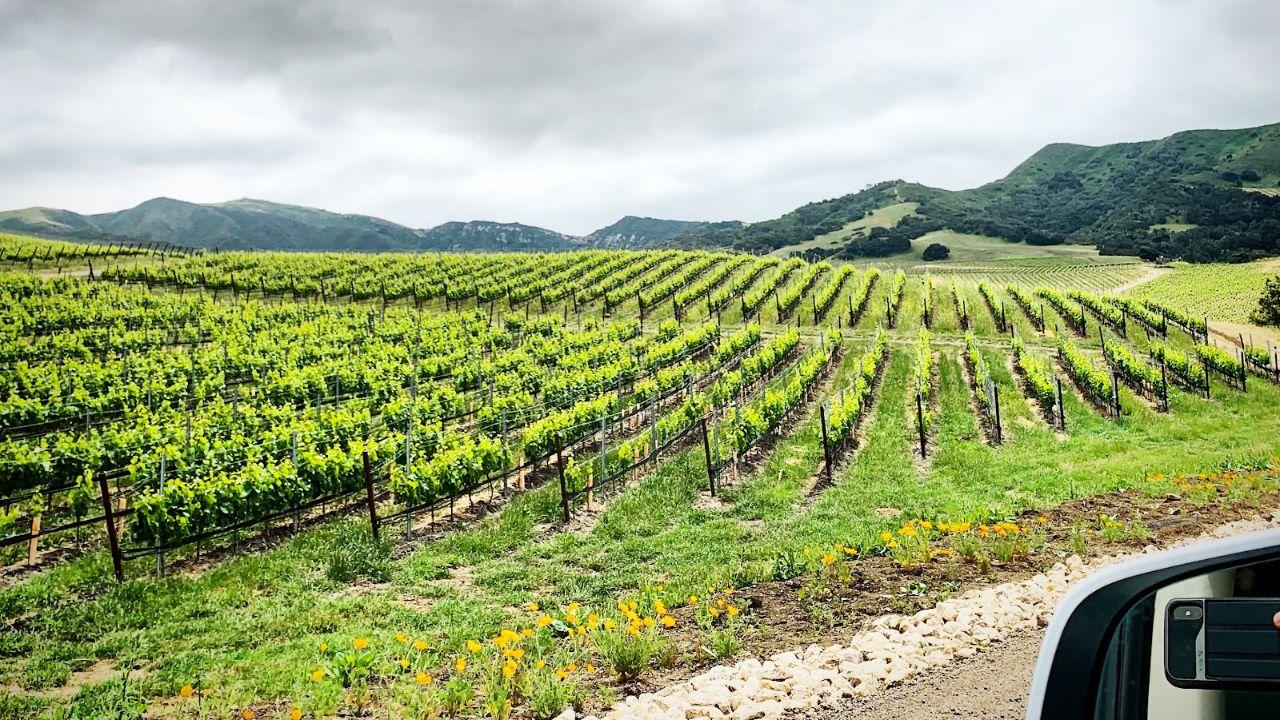
Practical concerns guide smart planning. Early rains signal drier late winter, with coastal highways clear for rural jaunts. February through April offers mild sixties, perfect for extended vineyard rambles without summer haze.
Book six weeks ahead for peak availability, prioritizing properties with rain-harnessed credentials. Midweek departures from Santa Barbara proper align with relaxed paces, accommodating flights or extensions.
Logistics favor efficiency: shaded seating, chilled bottles en route, and flexible returns. Families or couples weigh group dynamics, finding eight-person caps ideal for shared discoveries without chaos.
Quality metrics stand out: winemaker availability, private pours, and geological context are absent in self-guided setups. Intelligent itineraries leverage this window, capturing vine resurgence at its most photogenic and flavorful.
This shoulder-season sweet spot is ideal for our signature experiences. Check availability and book your sustainable Santa Barbara wine tour now to catch the vines awakening after early rains.
Forecasting Vintage Brilliance
Robust hydration primes an outstanding 2026 vintage. Uniform bud break follows, with reserves buffering heat spikes. Fruit set promises cluster consistency, vital for Pinot’s finesse and Chardonnay’s creaminess.
Veraison tours in July reveal color shifts tied to fall’s legacy, while harvest immersions track sugar accumulation.
Sustainable routes weave through this timeline, from green shoots to crush pad energy. Private estates hum with purpose, their outputs coveted by sommeliers nationwide. Late spring bookings hit stride, blending comfort with transformation.
Every element, from root depth to residual sugar, echoes that early generosity, rewarding those who time their arrival right.
Long-Term Resonance for Wine Lovers
This pattern hints at climate adaptability. Santa Barbara’s resilience, blending tradition with science, reassures amid variability. Tours educate on broader shifts, from ocean influences to varietal resilience. Participants depart equipped, sharing tales of vines that drank deeply at nature’s invitation.
Exceptional seasons demand presence. Watch the skies, heed the soils, embrace the pour. Santa Barbara’s vineyards, nourished ahead of time, await discerning explorers ready for the full narrative.
Frequently Asked Questions
What is the ideal time to visit Santa Barbara vineyards after early rains?
February through May aligns best, as residual moisture fuels bud break and lush growth without summer crowds or heat. Roads stay dry, and vines display peak vitality for immersive walks.
How do early rains affect wine taste on these tours?
They promote deeper roots for concentrated flavors, balanced acidity, and minerality in Pinot Noir and Chardonnay. Tastings reveal enhanced structure without irrigation dilution.
Are small-group tours better than large ones during this season?
Yes, caps at eight ensure private estate access, winemaker chats, and comfort via luxury transport. Larger groups miss behind-the-scenes depth at boutique sites.
Ready to Experience This Season in the Vineyards?
This year’s early rains have done something special, and there’s no better time to see it for yourself. With Sustainable Wine Tours, you’re not just tasting wine; you’re visiting thoughtfully chosen vineyards, meeting people who work with nature (not against it), and enjoying small-group tours that move at an easy, unhurried pace.
Every stop is planned with care, from sustainably farmed estates to local food pairings that actually make sense with the wines. If you want a wine tour that feels personal, meaningful, and perfectly timed for this season, this is it.