What to See in Santa Barbara’s Exclusive Family-Owned Vineyards
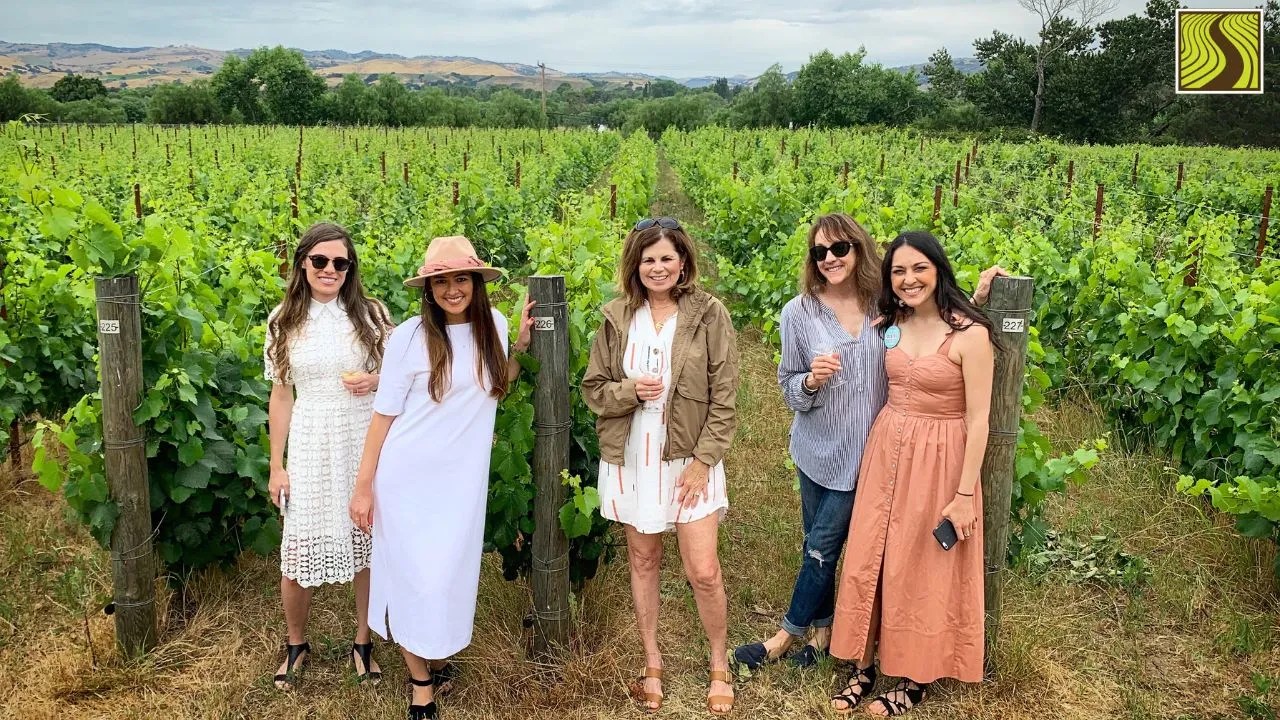
Santa Barbara wine country doesn’t announce itself with spectacle. It reveals itself slowly. Through folded hills that catch the light differently by the hour. Through vineyards that feel settled rather than staged. Through people who know the land because they grew up on it, not because they acquired it.
For travelers trying to understand what to see in Santa Barbara, the most meaningful experiences often sit away from the obvious paths. Family-owned vineyards are where the region’s personality becomes clear. These are places shaped by patience, continuity, and choices made over generations, not seasons.
That distinction matters. And once it’s noticed, it changes how the entire region is experienced.
Why Family-Owned Vineyards Feel Different Here
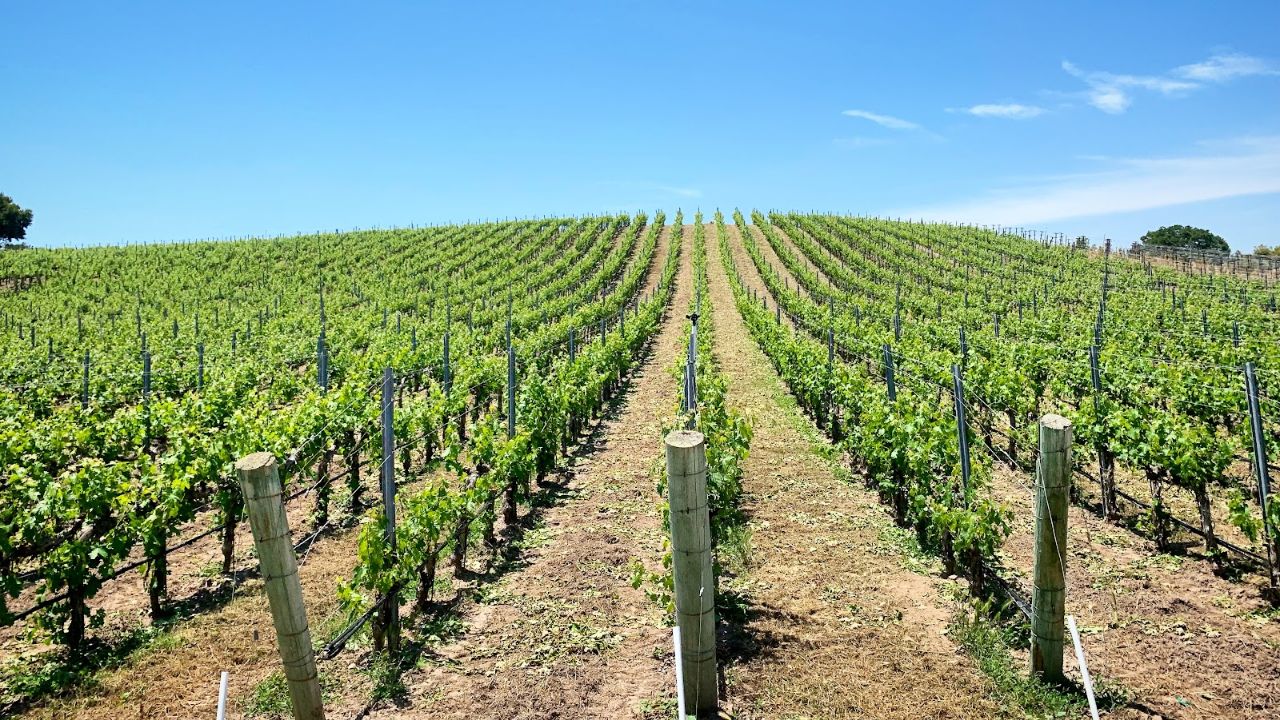
Santa Barbara’s geography plays a quiet but powerful role. The East and West valleys pull ocean air inland. Mornings arrive cool. Afternoons warm gently. Evenings reset everything. Vineyards adapt to that rhythm, or they struggle.
Family-owned vineyards tend to understand this instinctively. Not because it was explained in a business plan, but because it has been observed year after year. Decisions are shaped by memory. What worked once. What failed quietly. What took longer than expected?
That long view shows up in subtle ways.
- Vine spacing that favors vine health over yield
- Harvest timing that follows weather patterns rather than market pressure
- Farming methods chosen for longevity rather than speed
For visitors exploring what to see in Santa Barbara, these vineyards offer context, not just scenery.
Experience this thoughtful approach firsthand on our intimate tours. Explore our sustainable Santa Barbara wine tours that visit family-owned estates.
The Landscape Is Part of the Story
Santa Barbara’s vineyards rarely feel imposed on the land. They feel integrated. Rows follow contours. Open space is left intentionally. The setting never overwhelms the experience, yet it is always present.
Walking through these properties, the relationship between land and cultivation becomes visible. Slopes affect sun exposure. Soil composition shifts within short distances. Coastal influence reaches further inland than expected.
This is not information delivered on signage. It is felt through observation. Through the way light settles across the vines late in the day. Through the quiet between rows.
Family ownership tends to preserve that balance. Expansion happens carefully. Often reluctantly. Growth is measured against impact, not ambition.
Attention to Detail Without Performance
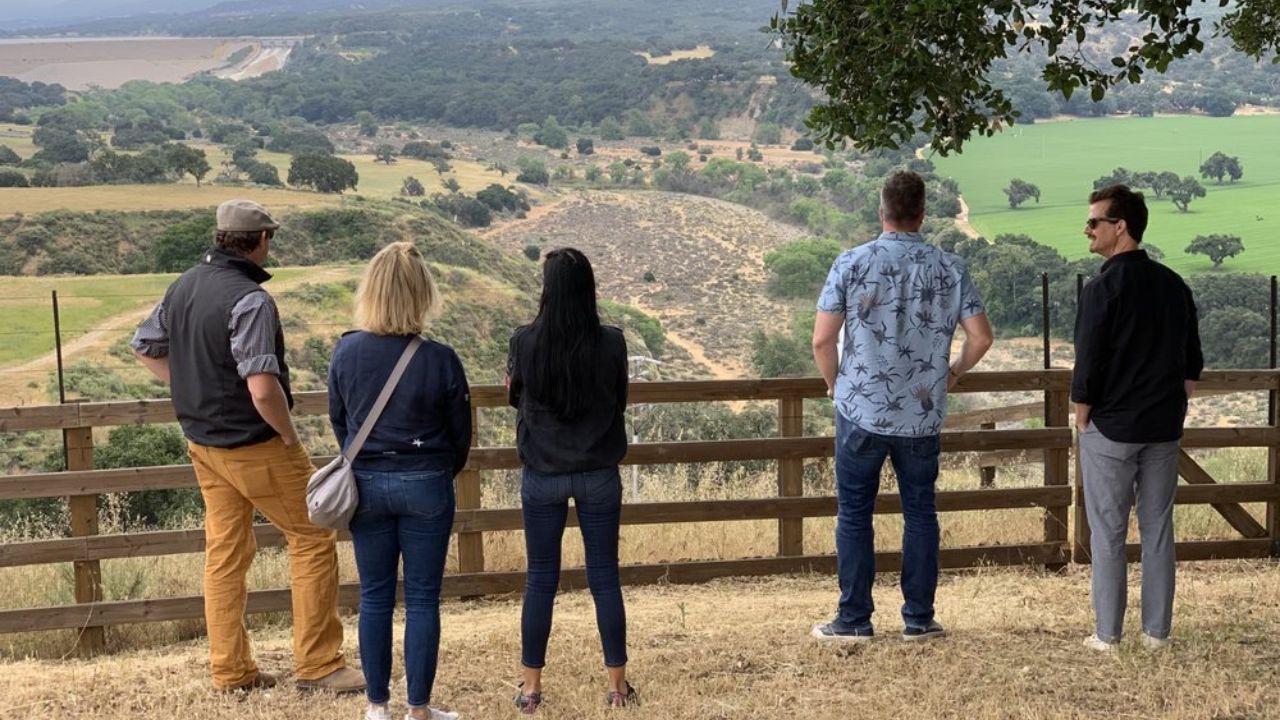
There is a certain ease that comes with vineyards not designed to impress quickly. Tasting spaces feel functional first, welcoming second. Nothing is rushed. Nothing is overstated.
That restraint builds trust.
Visitors are not guided through a script. They are allowed to notice things at their own pace. Conversations move naturally between farming practices, seasonal shifts, and the realities of running a vineyard year after year.
This is where many people begin to understand what to see in Santa Barbara beyond labels and tasting notes. The experience becomes grounded and real.
Our small-group tours create exactly this kind of unhurried dialogue. Check out how we facilitate genuine connections on our private vineyard experiences.
Sustainable Practices That Precede the Trend
Sustainability in Santa Barbara is not always presented as a selling point. In many family vineyards, it is simply the way things have been done.
Water use is considered carefully. Soil health is protected because it must last. Pest management favors balance rather than elimination. These decisions are practical, not performative. See these regenerative methods up close with us. Learn more about our eco-focused Santa Barbara wine tours that highlight sustainable family vineyards.
Visitors may notice:
- Cover crops are used to protect soil structure.
- Minimal intervention approaches during growing seasons
- Long-term planning tied to land stewardship
This kind of sustainability does not seek attention. It seeks continuity.
The Role of Time in the Experience
Time moves differently in family-owned vineyards. Not slower exactly. More deliberately.
Conversations are allowed to wander. Questions are welcomed without being rushed toward conclusions. There is space to process what is being seen and heard.
That pace matters for travelers trying to understand what to see in Santa Barbara beyond surface impressions. It allows learning to happen naturally.
The absence of urgency also creates room for curiosity. Curiosity tends to lead to deeper appreciation.
A Sense of Place That Cannot Be Replicated
Santa Barbara’s family vineyards reflect their surroundings closely. Coastal influence shapes decisions inland. Mountain shadows affect ripening patterns. Even neighboring properties can feel distinct because their relationship to the land is different.
This sense of place is not something that can be recreated elsewhere. It develops through years of adjustment and observation.
Visitors often notice how:
- Vineyard layouts respond to wind patterns.
- Planting choices reflect microclimate variation.
- Farming decisions prioritize resilience.
These details form the backbone of the region’s identity.
Why Smaller Scale Matters
Scale changes everything. Smaller vineyards allow for attention that larger operations simply cannot maintain.
Issues are noticed earlier. Adjustments happen faster. Mistakes are remembered longer. There is accountability in every decision.
For travelers, this means experiences feel personal without being forced. There is room for genuine exchange rather than presentation.
Understanding what to see in Santa Barbara often comes down to recognizing this difference. A smaller scale does not mean limited. It means focused.
The Human Element Behind the Vines
Family ownership keeps people close to the process. Decisions are rarely abstract. Weather events carry weight. Harvest outcomes matter personally.
That human connection shapes how vineyards operate and how visitors experience them. There is honesty in acknowledging challenges. Pride without exaggeration.
Guests are often left with a clearer picture of what vineyard life actually involves. The unpredictability. The patience. The commitment is required year after year.
This transparency builds trust in ways polished narratives cannot.
How These Vineyards Shape the Region’s Reputation
Santa Barbara’s reputation has been built quietly. Through consistency. Through restraint. Through vineyards that prioritize integrity over expansion.
Family-owned properties play a significant role in maintaining that reputation. They anchor the region. They preserve its character.
For travelers seeking what to see in Santa Barbara, these vineyards offer a deeper understanding of why the area feels distinct from other wine regions.
It is not about scale. It is about intent.
Why This Matters for Visitors
Experiences linger when they feel grounded. When they offer insight rather than performance. When they respect the visitor’s intelligence and curiosity.
Family-owned vineyards in Santa Barbara do exactly that. They invite observation. They encourage questions. They reward patience.
The value is not in how much is seen, but in how clearly it is understood.
Join a guided tour to immerse yourself in this deeper appreciation. Browse our limited-group sustainable wine tours and plan your visit to Santa Barbara’s family vineyards today.
Frequently Asked Questions
Why are family-owned wineries in Santa Barbara significant?
They keep a deep understanding of the land that has been built up over time and carry on using the farming methods that are based on their experience rather than on fashionable trends.
Are these vineyards dedicated to sustainability?
Yes, most of the time, it is through simple, everyday methods that have been selected and refined over time rather than through artificially fabricated marketing approaches.
Is touring a family-operated vineyard different from a large-scale winery?
Generally, such personal experience is slower-paced and concentrated on getting to know the land and the process than on showing.
Visiting Santa Barbara family vines is more captivating if we dwell on the land, the people, and the ethos of each estate. This is exactly where a well, planned wine tour can show its real value. Sustainable Wine Tours caters to those travelers who are not content with just a glance. Its methodology revolves around limited numbers, meticulously selected vineyards, and a thorough investigation of the local eco-friendly agricultural methods. Santa Barbara’s wine country can be enjoyed by visitors at a slow, leisurely tempo, with understanding, sympathy, and reverence for the families who have been taking care of these vineyards over the years.