Why Plan Santa Barbara in March for Intimate Winery Tastings?
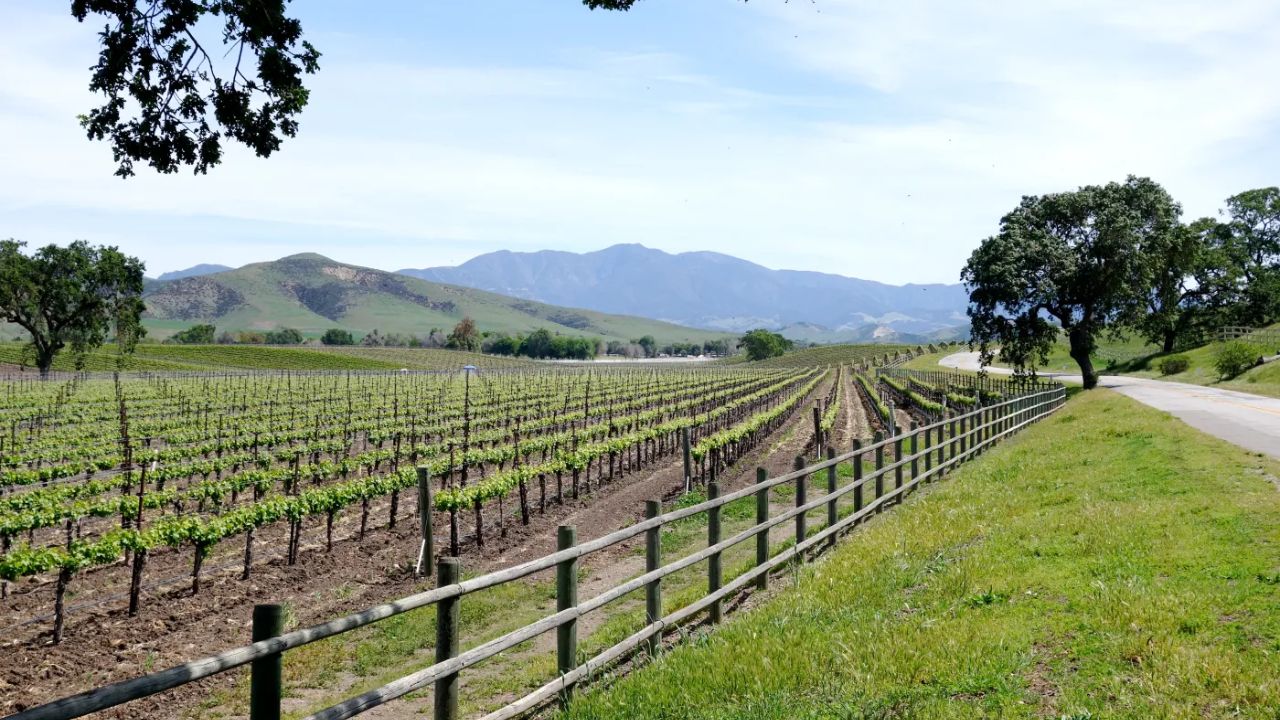
March in Santa Barbara feels like a pause that most travelers never notice. It sits between seasons, quietly overlooked, while attention moves toward summer and harvest. That pause is exactly what makes it special, especially for travelers who care about how a winery experience feels, not just how it looks on a calendar.
Planning Santa Barbara in March is not about catching an event or chasing a highlight. It is about choosing a moment when the region is open, responsive, and unhurried. The vineyards are awake but not busy. The tasting rooms are staffed but not stretched. Conversations have room to breathe.
That combination is rare. And it changes everything.
What Actually Changes in March
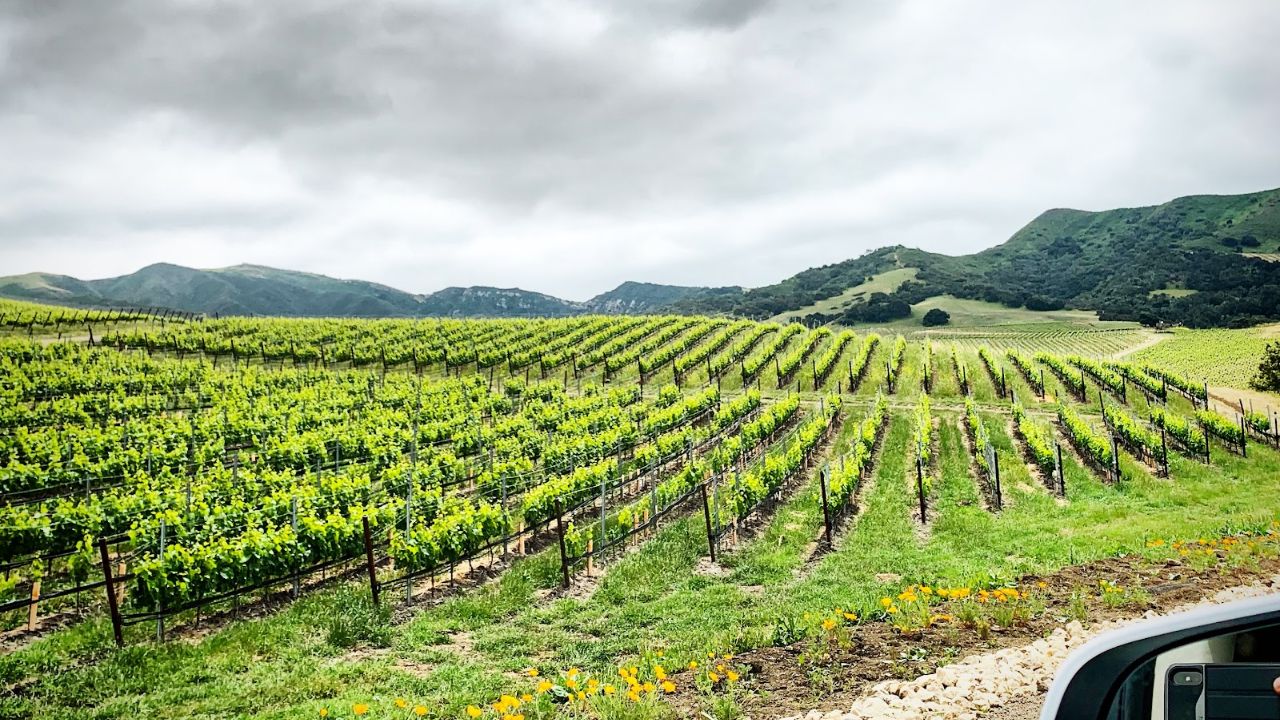
Let’s be specific about what makes this month different. The winter rains wrap up, typically by early March, leaving the hills an almost shockingly vibrant green. If you’ve only seen photos of golden California hillsides, this landscape will surprise you. It looks lush, almost verdant in a way that feels more European than Californian.
Santa Barbara weather in March runs cool to mild:
- Daytime highs settle in the mid 60s to low-70s
- Mornings can be genuinely chilly, especially in coastal areas.
- You’ll want layers, but you won’t be overheating by 11am.
- Rain is possible but brief, typically clearing within hours.
- UV is strong despite moderate temperatures, so sunscreen isn’t optional.
This temperature range matters more than you might think. Wine tasting demands focus and a functioning palate. When you’re moving between hot patios and heavily air-conditioned tasting rooms in July, your senses get fatigued faster than you realize. March keeps you in that comfortable zone where you can actually concentrate on what you’re tasting rather than on how warm you’re getting.
We plan every itinerary to take full advantage of these ideal conditions. Check out our limited-group wine tours designed for focused, enjoyable tastings.
The vines are just starting their growing season. Bud break happens in March, which means vineyard tours show you actual viticulture instead of just attractive backgrounds. A good guide can point out what they’re watching for, explain dormant season pruning decisions, and show you how the same variety behaves differently on different rootstock or in different soil types. This is the stuff that helps you understand wine instead of just drinking it.
The specifics matter here. Winter rains wrap up, typically by early March, leaving the hills an almost shockingly vibrant green. Anyone who’s only seen photos of golden California hillsides will find this landscape surprising. It looks lush, almost verdant in a way that feels more European than Californian.
The Crowd Factor (Or Lack Thereof)
Santa Barbara in March operates at maybe 40% of summer capacity. The difference becomes obvious the moment you start trying to make plans. Restaurants that require a month’s notice in July are booking tables with a week’s heads up. Boutique hotels in Los Olivos have actual room selection available instead of just whatever’s left. Small production wineries have midweek appointments without the usual waitlist.
Here’s what that means in practice:
- Tasting room staff can actually answer detailed questions without seven people waiting behind you
- You can spend 45 minutes at a winery instead of feeling rushed after 20
- Private tours and reserve tastings have the same week availability.
- Winemakers and owners are more likely to be present and willing to chat.
- You can retaste a wine if you want to compare it to something else without feeling like you’re being difficult.
This isn’t about avoiding people for some antisocial reason. It’s about accessing the experience that regulars know exists, but that peak-season visitors rarely get. Wine tasting at its best involves real conversation, time to think about what you’re experiencing, and the space to ask questions when something interests you. March delivers that consistently.
Our small-group tours are built around this kind of unhurried, personal interaction. Explore our sustainable Santa Barbara wine tours and see why March delivers the best version of the experience.
Why the Weather Actually Works Better
Most people assume summer is ideal for wine country visits. Warm weather, long days, guaranteed sunshine. But Santa Barbara weather in March offers practical advantages that outweigh those assumptions.
Cooler temperatures mean wines stay at the proper serving temperature. This sounds minor until you consider how much heat affects the perception of wine. Warm wine tastes flabby and alcoholic. Cold wine tastes tight and closed. March temperatures let tasting rooms serve wines in that sweet spot where you can actually evaluate them properly.
Your palate stays fresher longer. Heat and dehydration dull your sense of taste faster than you’d think. By your third or fourth winery on a hot summer day, everything starts tasting similar because your senses are fatigued. March keeps you sharp through a full day of tastings.
The light is spectacular. Morning fog in the valleys burns off to crystal clear afternoons. The slanting March sun creates depth in the landscape that harsh summer overhead light flattens out. Whether you care about photography or just about seeing beautiful places at their best, March delivers.
Rain happens occasionally, but unlike winter storms that can last days, March rain typically moves through in a few hours. You might adjust your schedule or linger longer over lunch, but entire days won’t be lost to weather.
Access You Can’t Buy in Summer
Small production wineries, the ones making 500 cases a year and selling mostly through their tasting room and mailing list, limit visitor numbers by necessity. They physically cannot accommodate unlimited traffic. In summer, getting an appointment at these places means booking months ahead and often getting waitlisted anyway.
March opens these doors. The same wineries have availability, sometimes with just a few days’ notice. And because they’re not slammed, you get better versions of the experience. The pourer has time to tell you about the vintage, explain the winemaking decisions, maybe even walk you out to the vineyard if you’re interested.
Estate owners and winemakers, freed from constant peak season demands, show up in tasting rooms more frequently. You might find yourself talking with the person who actually made the wine you’re drinking. These conversations teach you more about wine in 20 minutes than reading a dozen articles ever could.
Reserve tastings and library wine experiences become accessible. These are typically the first appointments to fill up, but in March, they’re available. You can taste through a winery’s full range instead of just the standard flight, compare current releases with older vintages, or focus on single vineyard bottlings that show terroir differences. Discover how we arrange meaningful visits on our private vineyard tours.
The Landscape Nobody Expects
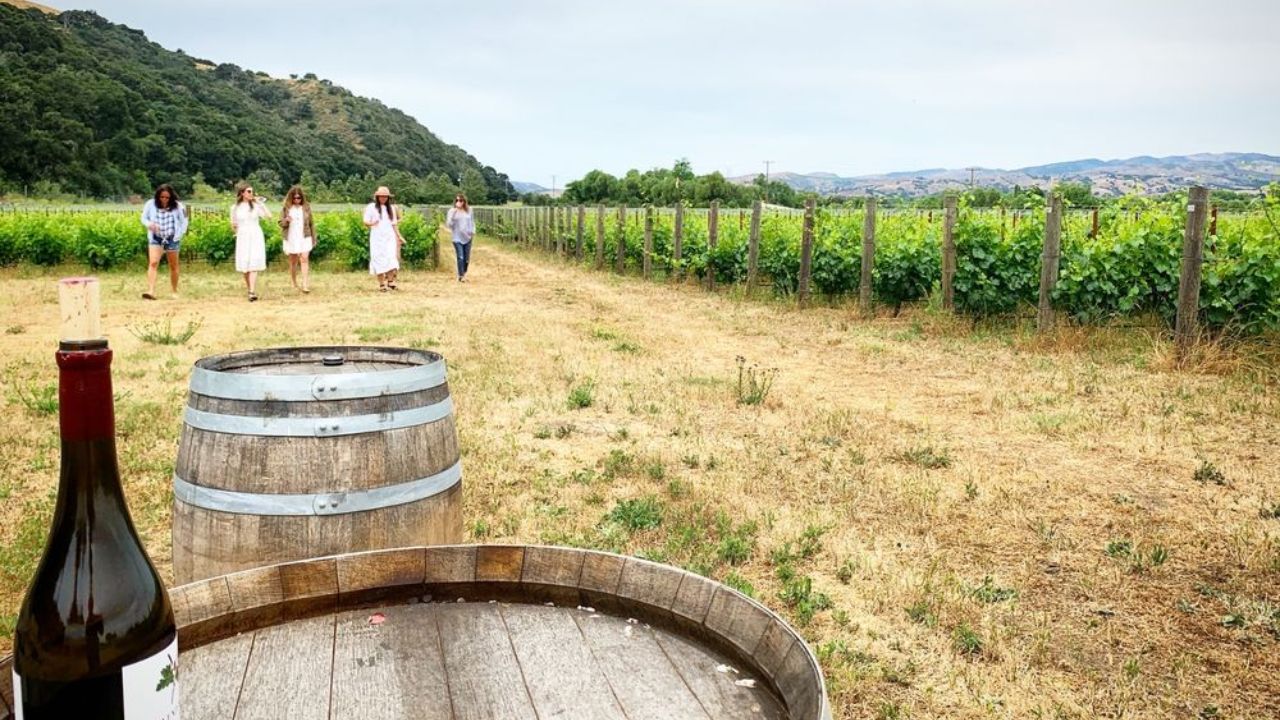
Santa Barbara in March looks nothing like the postcards. Instead of golden hills and blue sky, you get intensely green hillsides rolling toward the horizon, dark oak trees creating dramatic contrast, and wildflowers starting to emerge toward the month’s end. It’s arguably more beautiful than the classic summer palette, just different from expectations.
The Happy Canyon area shows its terrain more dramatically when everything’s green. The Santa Rita Hills gain visual depth that summer’s uniform gold flattens. The drive up Foxen Canyon rewards attention in ways it doesn’t when you’re just transiting between tasting rooms in the heat.
This matters because wine country is fundamentally about place. Understanding how geography and climate create flavor requires seeing the landscape, not just tasting the results. March makes that connection more visible.
Why This Month Delivers What You Actually Want
Strip away all the wine tourism marketing, and most visitors want the same core things: great wine obviously, but also meaningful interaction with the people making it, beautiful surroundings experienced without crowds or rush, and the feeling that they’re accessing something real instead of performing a scripted tourist activity.
Santa Barbara weather in March supports all of this better than any other season. You get professional hospitality without industrial efficiency. Full winery operations without overwhelming volume. Beautiful weather that enhances rather than challenges the tasting experience. A landscape at peak visual drama. And most importantly, the time and space to actually learn something instead of just collecting stamps in your wine passport.
That combination is increasingly rare in popular wine regions. March in Santa Barbara still delivers it reliably.
Ready to experience the calm, personal side of Santa Barbara wine country? Browse and book your spot on our sustainable wine tours for March and beyond.
Frequently Asked Questions
Is March actually a good time for winery tastings in Santa Barbara, or does it feel too quiet?
March feels calm, not empty. Wineries are fully operating, but without the rush that comes later in spring and summer. Tastings feel more personal, and there is time to slow down and enjoy the experience without feeling pushed along.
What should be expected from Santa Barbara weather in March during a wine tour?
Days are usually comfortable and mild, which makes moving between wineries easy. Mornings and evenings can feel cooler, especially near the coast, but overall, the weather supports long, relaxed tasting days.
Do wineries treat visitors differently in March compared to peak season?
Yes, often in a good way. With fewer groups to manage, staff members tend to spend more time answering questions and sharing insight. The experience feels more conversational and less scripted.