How Can Visitors Experience Natural Winemaking on a Santa Barbara Wine Tour?
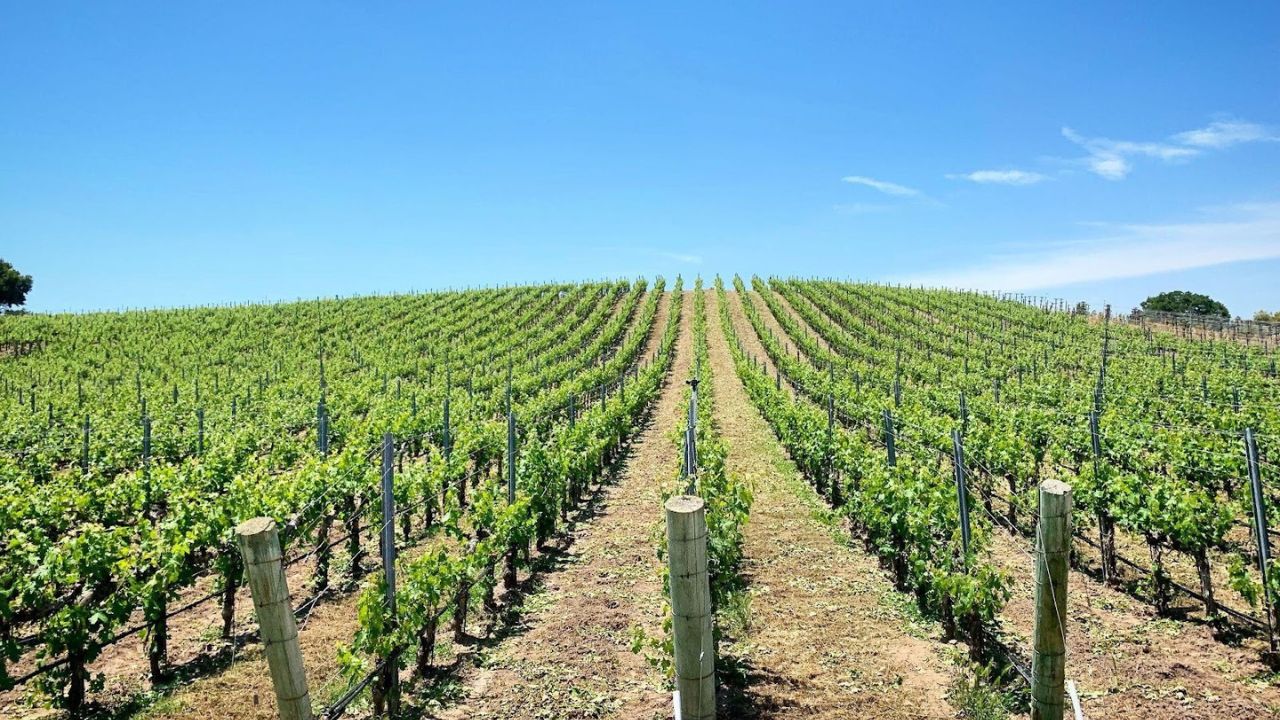
Santa Barbara wine country isn’t trying to be Napa. Or Sonoma. It’s doing its own thing entirely. And part of that thing? A growing movement toward natural winemaking that’s turning this coastal region into something special. Something different.
For wine enthusiasts looking beyond the standard tasting room experience, Santa Barbara offers a rare opportunity. The chance to actually see, touch, and understand what natural winemaking means. Not just sip it. Experience it.
What Makes Natural Winemaking Different
Here’s the deal. Most wine you’ve ever tasted has been through the wringer. Commercial yeasts. Temperature controls. Filtration systems. Additives. Stabilizers. The whole industrial nine yards.
Natural winemaking? It’s the opposite philosophy.
These winemakers are working with minimal intervention techniques. Using native yeasts that occur naturally on grape skins. Skipping the chemical additives. Letting wines ferment spontaneously. Avoiding aggressive filtration that strips away character and texture.
The process removes any chance of eliminating fresh fruit aromas and flavors that conventional methods might diminish. It’s about preserving what’s actually there instead of manipulating what could be.
Think of it this way. Conventional winemaking is like having a conversation with someone through multiple translators. Natural winemaking? Direct line. Vineyard to glass.
The Core Principles Behind the Movement
Natural winemaking in Santa Barbara revolves around several fundamental practices that visitors can observe firsthand:
- Organic and Biodynamic Farming: The journey begins in the vineyard. Low-intervention winemakers use practices like no-till and soil fertilization to stop soil degradation and regenerate their plants’ microbiome. No synthetic pesticides. No herbicides. Just healthy soil ecosystems doing what they’ve done for millennia.
- Spontaneous Fermentation: Instead of adding cultured yeasts, natural winemakers use native or wild yeasts for fermentation rather than commercial yeast strains. Each vineyard develops its own unique microbial community. Its own signature.
- Minimal Sulfite Use: Sulfites occur naturally during fermentation anyway. But conventional wines often add more for preservation. Natural wines use them sparingly. Sometimes not at all.
- No Fining or Filtration: These winemakers allow wines to clarify naturally through settling and racking, preserving their innate complexity and texture. That means you might find some sediment in the bottle. That’s not a flaw. That’s the point.
The Specialized Tour Experience
Generic wine tours won’t cut it if natural winemaking is the goal. Visitors need curated experiences with operators who understand the difference.
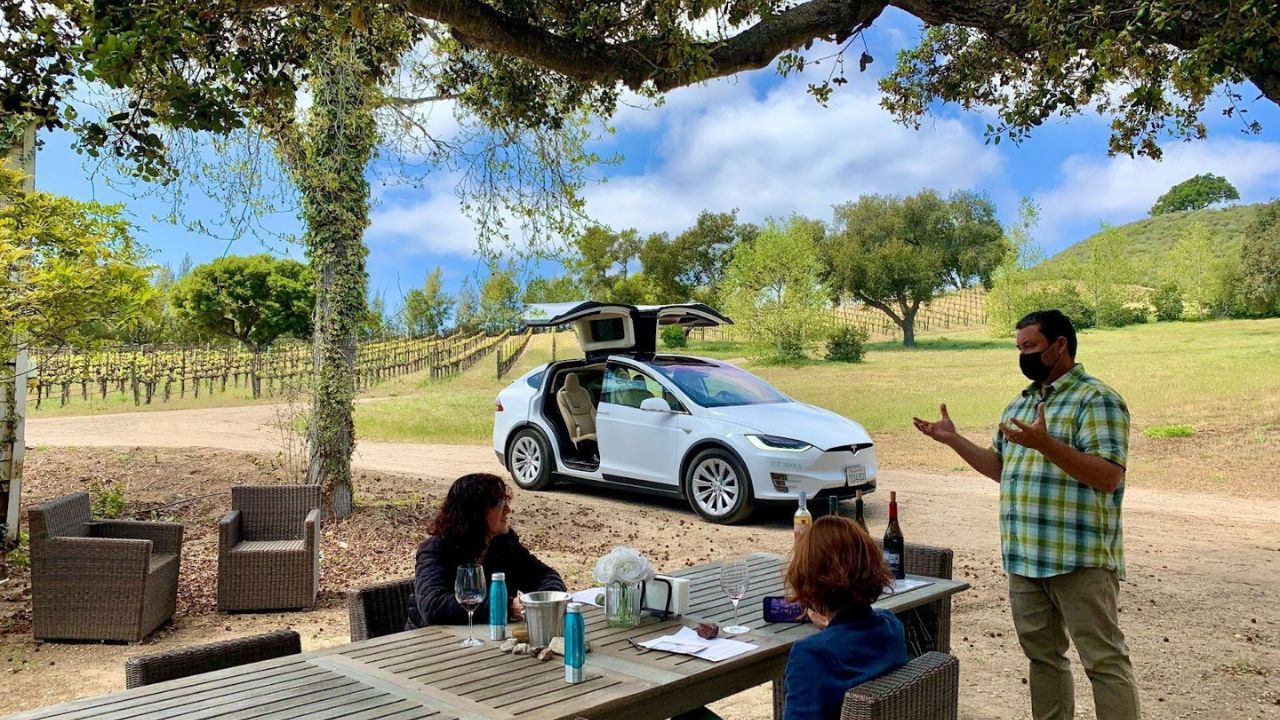
Sustainable Wine Tours: We specialize in bespoke green wine tours with private, personalized tastings at sustainable wineries. We use Tesla or Mercedes Sprinter vans. Every tasting fee includes an organic lunch.
What sets these tours apart? Direct access to winemakers. Private vineyard walks. Behind-the-scenes production facility visits. Seated, private tastings often with the winemakers themselves rather than standing at crowded tasting room bars.
Our sustainable wine tours focus on low-intervention and natural producers, with private access, vineyard walks, and eco-friendly transport. Explore our full Santa Barbara tour options on our wine tours.
Rooted Vine Wine Tours: This locally owned operation focuses on sustainably farmed, boutique, family-owned, and independently operated wineries. Their guides are passionate about wine production. About the how and why behind every bottle.
What Visitors Actually Learn
The educational component separates natural winemaking tours from standard sipping sessions. Here’s what participants typically discover:
Vineyard Management Practices
Walking between vine rows while a grower explains their soil health strategy. Seeing cover crops that feed the ecosystem. Observing biodiversity firsthand. Understanding how close management of vineyards and harvesting based on phenolics minimizes the need for non-native additions in the winemaking process.
Fermentation Processes
Most people have never seen spontaneous fermentation in action. The bubbling. The wild unpredictability. The trust required to let nature handle what commercial operations control mechanically.
Natural winemakers monitor fermentation constantly. They use 24-hour fermentation management programs, varying temperature and cap management every 3-4 hours during various fermentation stages. It’s hands-on without being heavy-handed.
Barrel Aging Philosophy
Conventional winemaking often uses new oak barrels to impart specific flavors. Natural winemakers? They prefer neutral barrels that won’t mask the fruit’s inherent character. The goal is expression, not impression.
Bottling Without Stripping
For red wines, gravity naturally clarifies the wine during barrel aging, allowing it to develop complexity without filtration or fining agents. Visitors can taste the difference immediately. More texture. More depth. More there.
These hands-on insights come alive on our guided natural winemaking tours, where small groups visit boutique producers for behind-the-scenes access. See how we structure private experiences for deeper understanding at our private wine tours.
Practical Considerations for Visitors
Planning a natural winemaking tour requires some strategic thinking:
Location Focus
| Region | Natural Wine Hotspot | What to Expect |
| Los Olivos | Multiple tasting rooms clustered together | Easy walkable access to Solminer, Holus Bolus, others |
| Los Alamos | Emerging natural wine scene | Lo-Fi Wines, Shokrian Vineyard (by appointment) |
| Sta. Rita Hills | Organic and biodynamic estates | Ampelos, Spear Vineyards, Alma Rosa |
| Lompoc Wine Ghetto | Small production focus | Camins 2 Dreams, unique varietals |
Appointment Requirements
Many natural wine producers operate by appointment only. These aren’t commercial operations with daily tasting room hours. They’re small, often family-run ventures. Book ahead. Sometimes weeks ahead.
We handle all appointments and logistics for our guests, ensuring seamless access to the most authentic natural wineries. Book a customized tour with us on our wine tours.
Seasonal Timing
Harvest season (late summer through fall) offers the most dynamic educational opportunities. Visitors can witness fermentation starting. See grapes coming in from the vineyard. Experience the intensity of the winemaking season.
Spring provides a different perspective. Vines budding. Cover crops are in full bloom. The promise of the vintage to come.
The Tasting Difference
Natural wines taste different. That’s the entire point.
They’re often described as more vibrant. More alive. Wines crafted through minimal intervention practices exhibit fruitier profiles and lower tannins. They might benefit from aeration. They might seem less polished than conventional wines.
Some people encounter “wine diamonds” in the bottle. Harmless tartrate crystals that form because the wine wasn’t cold-stabilized. The only consequence is a better, more flavorful wine.
Natural wines also change in the glass. Pour one. Come back 20 minutes later. It’s evolved. Opened up. Revealed new layers. That’s the complexity that can only be achieved by allowing grapes to express their natural characteristics.
Beyond the Vineyard
Santa Barbara’s commitment to natural winemaking extends into the broader food and wine culture.
- Barbareño Restaurant: Features the first sommelier to curate a comprehensive natural wine program in Santa Barbara. Visitors can taste how these wines pair with locally sourced cuisine.
- The Funk Zone: Multiple tasting rooms cluster within blocks of downtown and the beach. Whitcraft Winery sources grapes from sustainably farmed, mostly certified organic vineyards. Walking distance between stops makes for a relaxed, educational afternoon.
Why Santa Barbara Matters for Natural Wine
This region isn’t just following European trends. It’s developing its own identity within the natural wine movement.
Natural forces play a huge role in the winemaking process, and what influences the environment is what eventually ends up in the bottle. Santa Barbara’s unique east-west mountain orientation creates microclimates unlike anywhere else on the Pacific Coast. From Alaska to Chile. That terroir expression becomes even more pronounced when winemaking interference is minimized.
The community aspect matters too. A Central Coast delegation headed to Los Angeles for Raw Wine, the world’s largest fair highlighting low- to no-intervention wines. They’re not competing. They’re collaborating. Building a movement.
Making the Most of Your Visit
For visitors serious about understanding natural winemaking:
- Ask questions constantly. These winemakers love the talking process.
- Taste comparatively when possible. Try a natural wine alongside a conventional version of the same varietal.
- Visit production facilities, not just tasting rooms. See where the magic (or science, or alchemy) happens.
- Take notes. Natural wines can be revelatory. Record what speaks to you.
- Buy bottles you love. Many of these producers make tiny quantities. What’s available today might not exist in six months.
The Broader Movement
Wine is frequently depicted and considered a natural product; nevertheless, the truth is that it’s mainly a highly industrialized, processed commodity. Natural winemaking is a way to defy that truth.
It’s not that they’re against technology. They are for authenticity. They’re winemakers saying, “Let’s see what these grapes can do on their own terms.”
Santa Barbara in particular has adopted this ethos more than most other American wine regions. The weather is a factor. Soils are a factor. But mainly, it is the people. Winemakers who are willing to take risks. To have faith in the process. To allow the terroir to be the main character.
Final Thoughts
Making natural wine with the locals on a Santa Barbara wine tour is definitely not only about sampling offbeat wines. Although it certainly is a part of it.
It is about getting to know a new way of relating to the earth, the soil, the lodgment, and the plant. To ferment. To the very nature of craft.
It is the realization that the winemaker you see is letting the grape ferment on its own without excessive intervention, and that the wine is flowing from his soul, stepping back and then trusting the inherent wisdom of nature rather than human meddling.
It is not some kind of escapism for a forgotten golden age of winemaking. It is a very refined method that challenges you to acquire, not give up, knowledge, pay, not reduce, attention, and, most certainly, to develop, not lose, determination.
Reserve that trip. Keep firing those questions. Sample those wines. Natural winemaking in Santa Barbara is a window to the kind of wine culture that is very slowly becoming extinct nowadays, the very real experience of authenticity that you can actually taste.
Frequently Asked Questions
What exactly counts as natural winemaking in Santa Barbara?
Minimal intervention defines it. Organic or biodynamic grapes. Native yeasts ferment. Low sulfites. No heavy filtering or additives. Wines reflect the site. Often unfiltered, cloudy. Funky vibrant. Producers like Solminer Ampelos lead. Tours explain variations.
Do I need wine knowledge to join a natural wine tour?
No. Beginners are welcome. Guides educate. Winemakers share stories. Focus experience. Learn farming cellar choices. Casual fun. Questions encouraged. No pressure.
Are natural wine tours different from regular ones?
Yes. Emphasis on sustainable low-intervention estates. Private boutique spots. Winemaker interactions. Vineyard access. Education is heavy. Less commercial. Sustainable Wine Tours specializes in eco transport, a personalized experience, and gaining a deeper connection to the wine-making process.