What Makes Wine Country a Great Choice for Corporate Retreats?
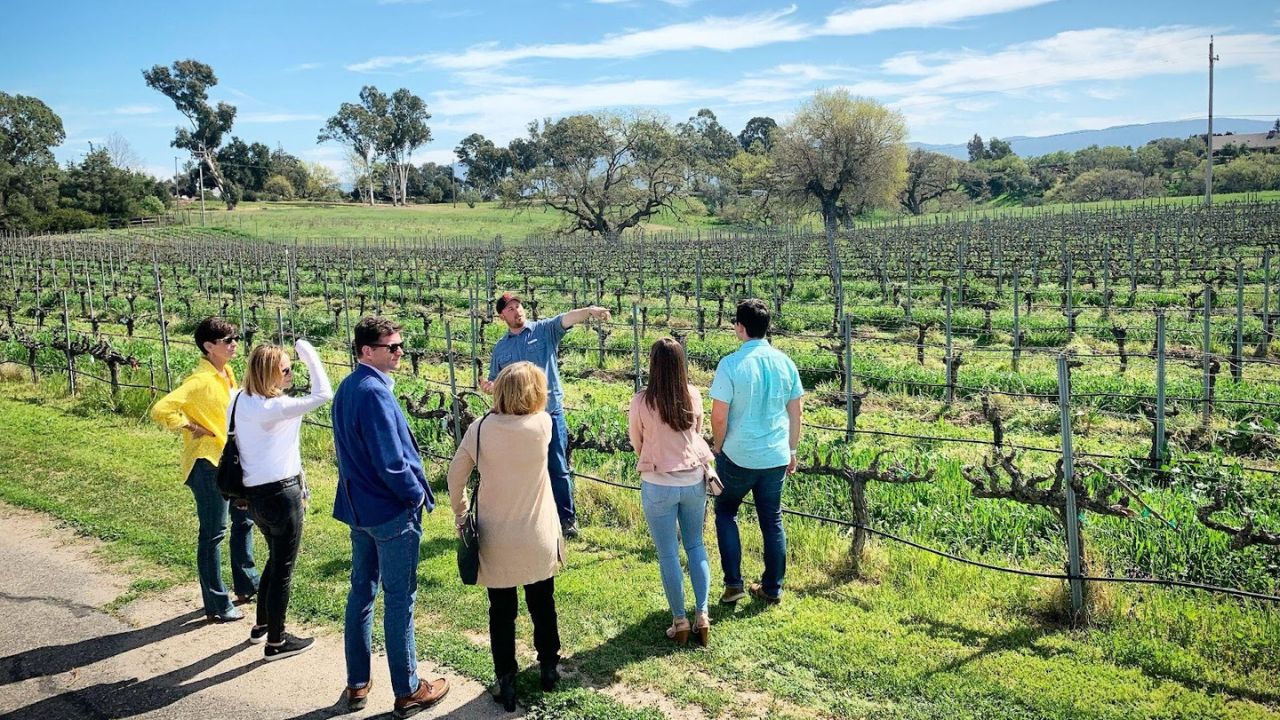
Look, corporate retreats don’t have to be boring.
They really don’t. And yet, so many companies fall into the same trap. Generic hotel conference rooms. Fluorescent lighting. The kind of place where creativity goes to die. But wine country? That’s a different story entirely. Rolling vineyards. Fresh air. Natural beauty that actually makes people want to show up and engage.
Wine country has emerged as one of the premier destinations for corporate retreats. Not just because it’s beautiful (though it absolutely is), but because it offers something most retreat locations can’t quite nail. That perfect blend of professional and relaxed. Productive and rejuvenating. Team building that doesn’t feel forced.
The Setting Changes Everything
Here’s the thing about the environment. It matters more than most executives realize.
Research from Harvard Business Review shows a 26% productivity increase among employees after offsite retreats. But not all off-sites are created equal. Wine country creates the kind of backdrop that naturally encourages openness, creativity, and genuine connection.
Napa Valley. Sonoma County. Healdsburg. These aren’t just pretty places. They’re destinations specifically designed around the art of slowing down, savoring experiences, and appreciating craftsmanship. Values that translate surprisingly well to team dynamics and business strategy.
The vineyard landscape does something psychological. Strips away the usual corporate armor. When people are surrounded by natural beauty instead of beige walls and whiteboards, they interact differently. More authentically. The rigid hierarchies start to soften. Communication flows more naturally.
Beyond the Bottle: Real Team Building
Wine country offers activities that go way beyond your typical trust fall exercises.
Unique Corporate Retreat Activities:
- Wine Blending Competitions – Teams create their own signature blend, complete with branding and marketing campaigns. Encourages creativity, collaboration, problem solving under time pressure.
- Vineyard Bike Tours – Low stress, naturally paced exploration that allows for organic conversation and relationship building while taking in the scenery.
- Cooking Classes – Hands-on culinary challenges where teams must communicate, delegate, and create together. Then enjoy the literal fruits of their collaboration.
- Harvest Experiences – Get purple-stained like actual winemakers. Understand the work behind the product. Build appreciation for process and patience.
- Underground Wine Cave Dinners – Intimate settings that encourage deeper conversations away from the distractions of daily work life.
- Hot Air Balloon Rides – Sunrise flights over vineyards provide perspective. Literally and metaphorically.
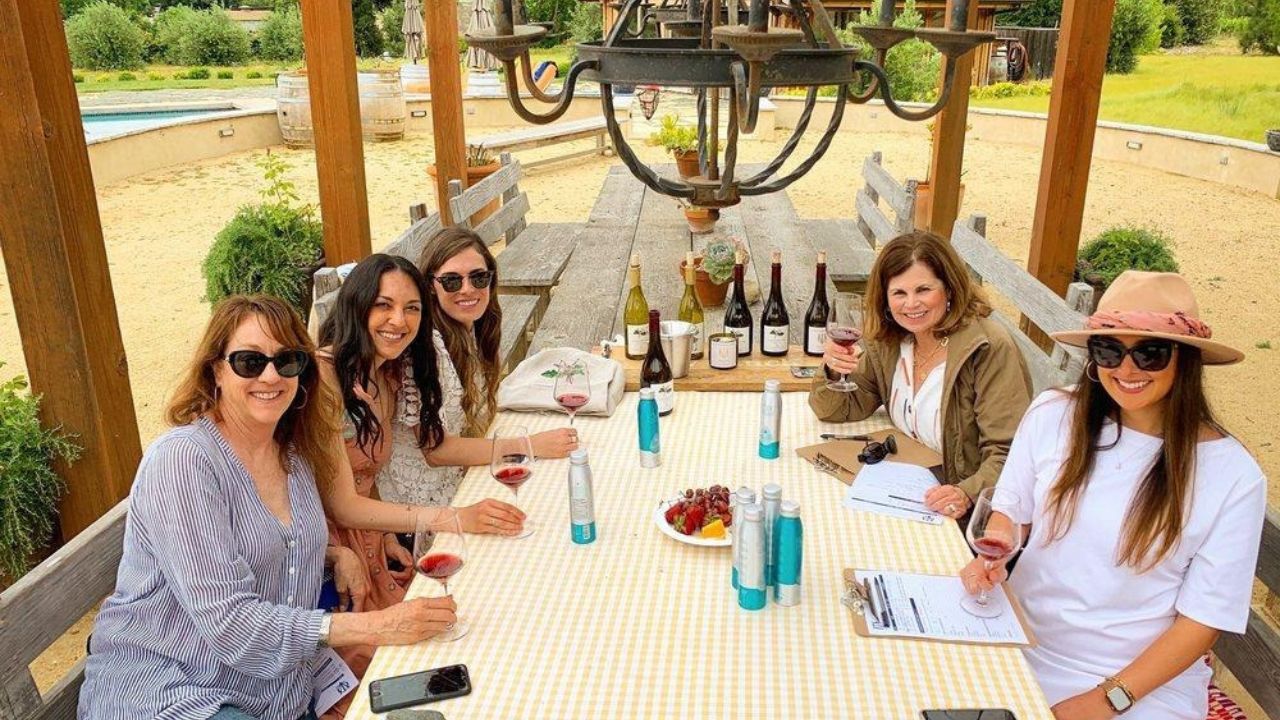
Wine tasting fosters teamwork as participants work together to learn about the winemaking process, enhancing both teamwork and communication in a relaxed setting. The educational component isn’t just about wine. It’s about developing shared vocabulary. Learning to articulate subtle differences. Listening to others’ perspectives. Skills that translate directly to better workplace collaboration.
Our sustainable wine blending sessions are designed specifically for corporate groups, combining hands-on creativity with eco-friendly winemaking. See our team-building wine experiences at our wine tours.
The Proximity Advantage
For Bay Area companies, especially, the wine country hits a sweet spot.
Close enough for easy logistics. Far enough to feel like an actual getaway. The proximity to San Francisco for the experience companies can design here is unrivaled. Teams can drive there in under two hours. No airport hassles. No cross-country flights. Just load into cars (maybe even create car challenges to kick things off competitively) and head north.
That accessibility means companies can do shorter, more frequent retreats. Two days in wine country can deliver more impact than a week in some distant location, where half the time gets eaten by travel.
Cost Considerations That Actually Make Sense
Budget matters. Always has, always will.
Wine country offers surprising flexibility here. Booking events Sunday through Thursday could save thousands of dollars, and a hotel room in Sonoma County is typically about 30% less than in Napa Valley.
Sonoma provides that wine country experience without the premium Napa price tag. Similar quality. Similar activities. Better value. Smart companies realize the experience isn’t diminished just because they chose Healdsburg over Yountville.
Typical Budget Ranges:
| Retreat Type | Per Person Cost | Best For |
| Day Event | $325 per person | Large groups, budget-conscious teams |
| Weekend Retreat | $500-700 per person | Mid-sized teams, balanced experience |
| Luxury Executive Offsite | $1,200+ per person | Leadership teams, high-end experiences |
The investment pays off. Happy employees can boost profitability by up to 21%, with productivity boosted by 31% and sales increased 37%. That’s not feel-good fluff. That’s a measurable business impact.
The ROI Nobody Talks About Enough
Corporate retreats often get dismissed as expensive perks. Nice to have, not need to have.
Wrong thinking entirely.
Companies with high levels of employee engagement are 23% more profitable than those with low engagement. And what drives engagement? Connection. Belonging. Feeling valued. All things that happen naturally in well-designed wine country corporate retreats.
The retention piece alone justifies the cost. Firms with robust team bonding strategies see a 73% decrease in employee turnover. Calculate what replacing even one mid-level employee costs. Factor in recruiting, onboarding, lost productivity, institutional knowledge walking out the door. Suddenly, that wine country weekend looks like a bargain.
Innovation happens here, too. 34% of employees say their most creative ideas happen on business trips. There’s a correlation between getting people out of their usual environment and sparking fresh thinking. Wine country provides that change of scenery. That mental space for big picture thinking instead of endless tactical firefighting.
Remote Teams Need This More Than Anyone
The work from home revolution created connection problems nobody fully anticipated.
With 32.6 million Americans projected to work remotely, the need for face-to-face interactions has never been more pressing. Video calls are functional. But they’re not sufficient for building the kind of trust and camaraderie that high-performing teams require.
Wine country corporate retreats solve this. They give distributed teams rare opportunities to be together physically. To read body language. To have spontaneous conversations that would never happen on Slack. To remember these are actual humans, not just profile pictures in Zoom squares.
The isolation factor matters too. Loneliness is a silent productivity killer. Remote workers often struggle with feeling disconnected from company culture, from their teammates, from the mission. A few days together in wine country can rebuild those bridges. Create shared memories. Establish personal relationships that make the virtual collaboration feel less transactional.
Venues That Get It
Wine country isn’t just wineries (though those are obviously central to the experience).
The hospitality infrastructure here is built around groups. Resorts with dedicated meeting spaces. Boutique hotels offering full property buyouts for smaller teams. Historic inns partnering with local wine producers. Luxury properties with Michelin-starred dining and world-class spas.
Take Meadowood Napa Valley. 250 acres of rolling hills. Elegant accommodations. Meeting facilities designed for productivity. Or Dawn Ranch in Sonoma. 22 acres among ancient redwoods. Perfect for teams wanting something more intimate, more nature-focused.
Hotel Healdsburg. Trio. Calderwood Inn. Each offers something different. Urban sophistication. Romantic charm. Historic character. The variety means companies can find venues matching their culture and objectives.
From boutique hotels to exclusive winery partnerships, our sustainable tours arrange seamless group access and private events. Check out how we customize wine country retreats for teams at our private wine tours.
Activities Beyond Wine (Yes, Really)
Not everyone drinks. Some people just aren’t into wine. Wine country retreat planners understand this.
The region offers an incredible diversity of experiences. Hiking in state parks. Biking the Vine Trail. Kayaking blindfolded in team building competitions (yes, that’s actually a thing). Bocce ball tournaments. Scavenger hunts through historic towns. Safari drives at Safari West, where teams encounter African wildlife without leaving California.
Cooking challenges using farm-to-table ingredients. Mushroom foraging expeditions. Yoga in the vineyards. Art classes where teams sip and paint. The Napa Valley Wine Train offers elegant, mobile dining experiences. Ghost tours in Old Town Temecula.
The point isn’t wine. The point is creating shared experiences that build bonds. Wine just happens to be the cultural thread connecting it all.
Seasons Matter (More Than You Think)
Summer weekends in Napa? Crowded. Expensive. Often sweltering.
November through April is the best time to visit Napa Valley, creating a haven for relaxing retreats with perfectly mild temperatures. Fall brings the harvest season. The vineyards turn golden. The energy is palpable. Spring offers wildflowers and fewer crowds. Winter delivers cozy, intimate experiences.
Smart retreat planners avoid peak times. Midweek bookings save money. Shoulder seasons provide better availability, better pricing, and better experiences overall.
The Details That Make or Break It
Planning corporate retreats requires thinking through logistics that most people overlook.
Room assignments. Do people share or get their own space? Most adults prefer privacy, even if sharing saves money. Arrival and departure dates need precision. “Three-day retreat” is too vague. Wednesday arrival, Friday departure. Be specific.
Group size matters. Most wine country hotels consider a minimum of 10 people for group bookings and associated benefits. Smaller teams might need different venue types. Larger groups require more complex coordination.
Transportation logistics. Who’s driving? Are companies providing shuttles? Is there a designated driver situation for winery tours? These aren’t minor details. They’re make-or-break elements for smooth execution.
Dietary restrictions. Accessibility needs. Budget transparency. Clear communication about what’s included versus what’s extra. The unsexy operational stuff that determines whether people remember the retreat fondly or as a logistical nightmare.
The Follow Through Nobody Does Well
Here’s where most companies fail with corporate retreats.
They invest in this amazing experience. Teams bond. Ideas flow. Energy is high. Then everyone returns to the office and… nothing changes. No follow-up on discussions. No implementation of ideas generated. No sustained effort to maintain the connections formed.
Track the implementation of new ideas or creative solutions that emerged during the retreat through project outcomes, new product launches, or process improvements. The retreat isn’t the end. It’s the beginning. The spark that needs oxygen and fuel to become a sustained fire.
Smart companies do post retreat surveys. Capture feedback while it’s fresh. Identify what worked, what didn’t. Create accountability for action items discussed during sessions. Schedule regular check-ins to maintain momentum.
Why Wine Country Wins
At the end of the day, corporate retreats need to accomplish specific things.
Build trust among team members. Create space for strategic thinking away from daily distractions. Spark creativity and innovation. Demonstrate that the company values its people enough to invest in bringing them together. Provide experiences that boost morale and engagement.
Wine country delivers on all of this. The setting naturally encourages the kind of relaxed but focused energy that makes great things happen. The activities range from educational to adventurous to purely fun. The infrastructure supports everything from small executive off-sites to large company-wide gatherings.
The measurable ROI shows up in productivity gains, reduced turnover, increased innovation, and higher employee satisfaction. The intangible benefits appear in stronger relationships, better communication, deeper trust, and a renewed sense of shared purpose.
Compare that to another generic hotel conference center somewhere forgettable. There’s no comparison.
Wine country isn’t just a location. It’s an experience. An investment. A strategic decision that recognizes people do their best work when they feel connected, valued, and inspired.
Your next corporate retreat deserves better than beige walls and mediocre coffee. It deserves a wine country.
Frequently Asked Questions
What activities suit large corporate groups in wine country?
Vineyard tours, blending sessions, and outdoor challenges. Scalable for 50 plus. Venues like Alisal handle big numbers seamlessly.
How does sustainability play into retreats?
Many wineries focus on eco practices. Tours like Sustainable Wine Tours emphasize green transport and organic wines. Adds purpose to the event.
Best time for a wine country corporate retreat?
The fall harvest is vibrant. Spring is mild. Avoid summer crowds if possible. Year-round viable in mild climates like Santa Barbara.
Ready to plan a rejuvenating, productive wine country corporate retreat with sustainable focus and real team impact? Contact us to discuss your group’s needs and get a tailored proposal at our contact page.