The Perfect Santa Barbara Itinerary for a Weekend
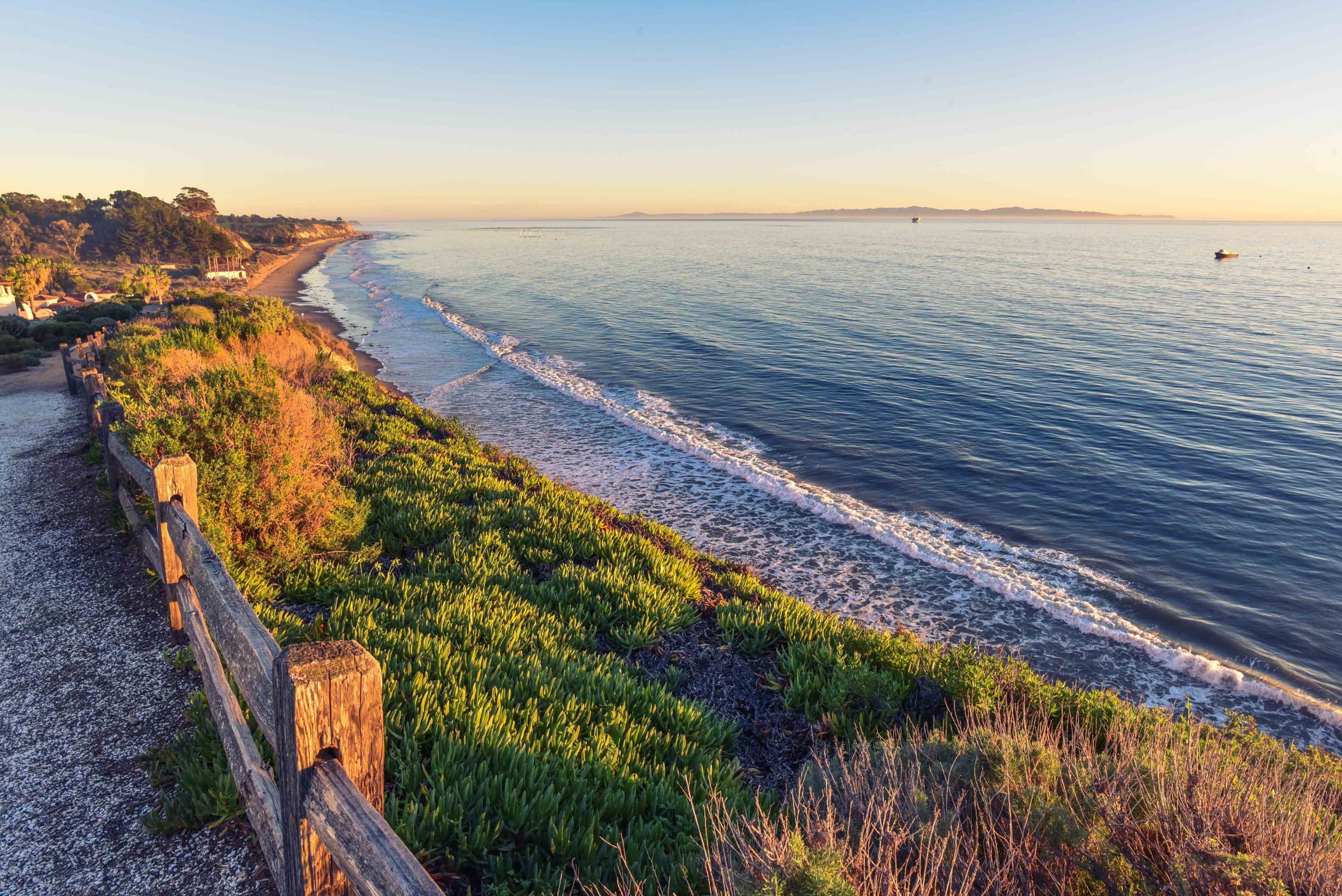
There’s something about Santa Barbara that catches people off guard. You expect a pretty California beach town. What you get is red-tiled rooftops, the Santa Ynez Mountains stacked behind the city like a backdrop that should not be real, ocean air you notice the second you step out of the car, and one of the finest stretches of the California coast anywhere in the state.
People drive up from LA for a day trip. That’s genuinely a mistake. You need at least two full days to get a real taste of this place. Three is better. But two days, planned well, get you close.
Here’s what that looks like, built for people who want more than a highlight reel.
Before You Go: Know What You’re Working With
Santa Barbara sits right at the intersection of coast and wine country in a way that almost no other California city does. Most top attractions sit within a three-mile radius of downtown, and the city actively encourages car-free exploration with walking maps and alternative transport options. So the city itself is walkable.
But the wine country just north of it, in the Santa Ynez Valley, is a different story. Plan for those two worlds separately.
Also worth knowing: Santa Barbara’s wine region has a unique geography, with transverse mountain ranges that allow cool coastal air to flow inland, creating diverse microclimates.
This supports over 200 wineries across seven official American Viticultural Areas. That’s a lot of ground to cover in a weekend, which is why thinking ahead about where to focus matters.
Parking downtown fills fast on weekends. Arrive before 9 AM or plan to walk from further out. And reservations, whether for tasting rooms, restaurants, or Lotusland, are not optional. Don’t test that on a Saturday.
Day One: The City Itself
Morning: State Street, the Courthouse, and the Mission
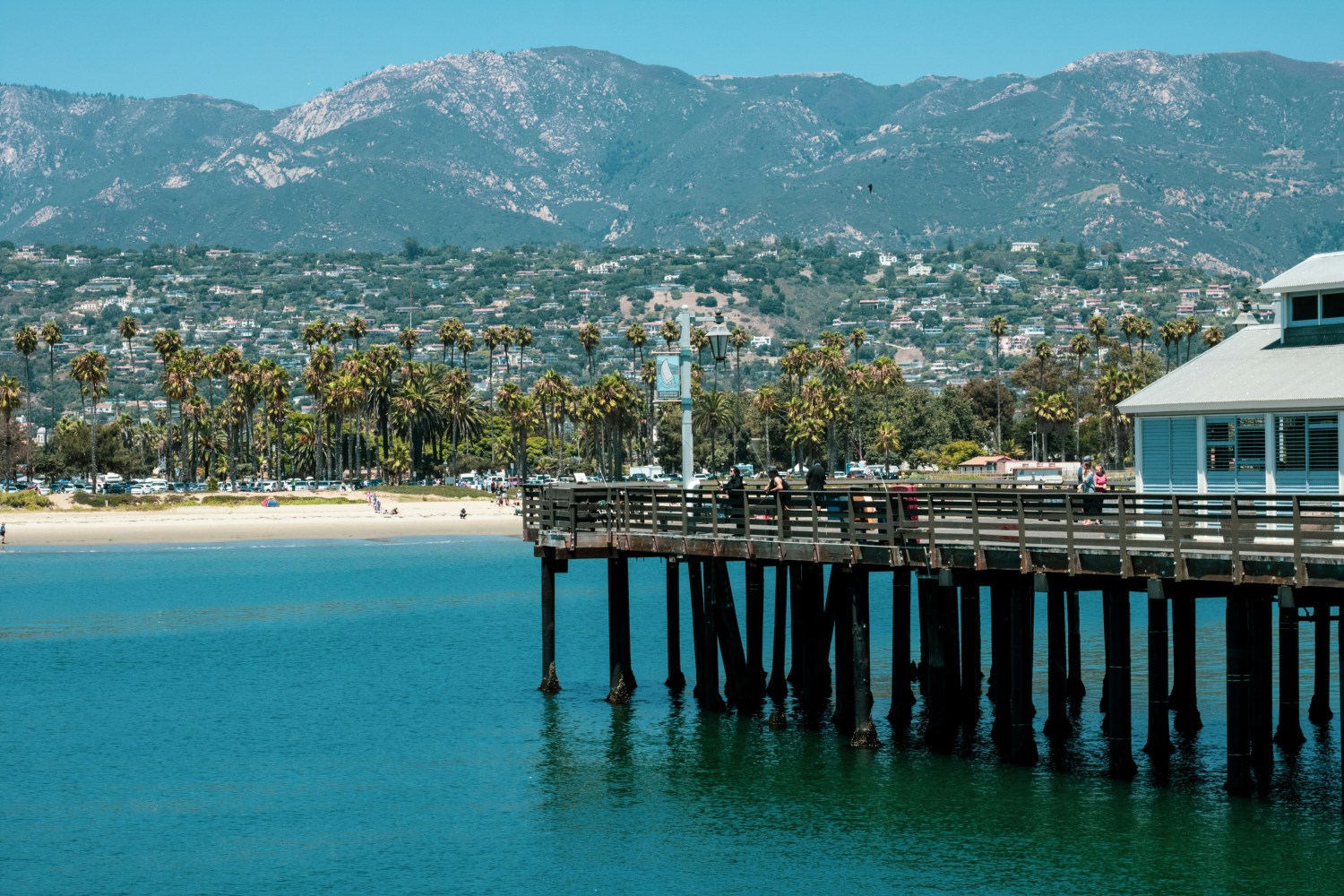
Start slow. Stroll State Street, breathe in the fresh ocean air, and take in the red tile rooftops and the contrast of the Santa Ynez Mountains meeting the Pacific Ocean. This is genuinely one of the more beautiful urban streetscapes in California, and it does not require you to rush through it.
Then walk up to the Santa Barbara County Courthouse. Locals use the sunken gardens for lunch breaks. Visitors walk straight past them to get to the clock tower, which gives a full panoramic view of the entire city. It is free. It is worth it every time.
From there, head to the Old Mission Santa Barbara, founded in 1786 and still an active Franciscan friary. The rose garden out front is often overlooked. The interior is quiet in a way that feels earned. Get there before 11 AM to avoid the group tours that start filling the courtyard mid-morning.
| Morning Stop | Why It’s Worth It | Time Needed |
| State Street | The vibe, the architecture, good coffee | 30 to 45 min |
| County Courthouse | Free panoramic views, Spanish Revival detail | 45 min |
| Old Mission Santa Barbara | Grounds, chapel, rose garden | 1 hour |
Midday: The Funk Zone
This neighborhood is where Santa Barbara stopped being just a beach town and started being genuinely interesting. The Funk Zone spans roughly 10 blocks adjacent to the ocean and the train station, featuring converted warehouses decked out with colorful murals serving as the backdrop for an eclectic mix of wineries, breweries, galleries, and restaurants.
The biggest concentration of the Urban Wine Trail lives here, with over 20 tasting rooms representing Santa Barbara County wines, all walkable within the same neighborhood. Most tasting rooms offer four to six pours for around $25 to $35, and the atmosphere mixes fine wine with a very West Coast, unpretentious energy.
A few rooms worth planning around specifically:
- Riverbench makes sparkling wine in the méthode champenoise style. On Sundays, they add freshly shucked oysters, which draws a crowd for obvious reasons. The bubbles are genuinely good.
- Municipal Winemakers is the kind of place that feels like it was designed for exactly the afternoon you want to have. Laid back, knowledgeable staff, no pretension.
- Santa Barbara Winery is one of the oldest on the trail, founded in 1962, known for Rhône varieties like Syrah and Grenache, and a great starting point for anyone discovering Viognier for the first time.
The Urban Wine Trail card covers 28 wineries and comes with purchase discounts at each stop. It’s valid for a year, so there’s no pressure to hit all of them in one visit. Worth picking up regardless.
One honest tip: go before 2 PM. Weekend afternoon crowds in the Funk Zone are real, and the energy shifts from relaxed to packed fairly quickly.
Afternoon: Shoreline Park and Leadbetter Beach
After the tasting rooms, the best move is a walk somewhere the tourists mostly miss. Shoreline Park sits on a cliff above Leadbetter Beach and offers a panoramic view of miles of coastline, the Santa Barbara Harbor, and surfers in the water below. Locals walk dogs here at sunset. There are stairs down to the beach itself. It’s quieter than East Beach, less trafficked than the pier area, and honestly, one of the better spots in the city to just sit and look at the Pacific.
If there’s energy for a hike and the legs are willing, Inspiration Point delivers. It’s about 3.7 miles round trip, takes 90 to 100 minutes, and is a local favorite for coastal views over Santa Barbara and the Channel Islands. The parking situation is notoriously tricky, so get there early or add a long road walk to your mileage.
Evening: Dinner at Loquita
Book this in advance. Loquita earned a Bib Gourmand in the 2025 Michelin Guide, is located just blocks from the beach inside a cream-tinted building with a red-tiled roof, and runs on colorful tiles, a humming bar framed by soft pink stools, and starburst light fixtures. It does not look like it should be that good. It is.
The menu runs Spanish tapas, wood-fired grilled seafood and meats, and seasonal paella made with locally sourced ingredients. The wine list leans almost entirely Spanish, and the cocktail program features farmers’ market Sangria and a rotating gin and tonic selection. Start with pan con tomate and follow the server’s lead into the chorizo y pollo paella. They know the menu is cold.
Day Two: Wine Country
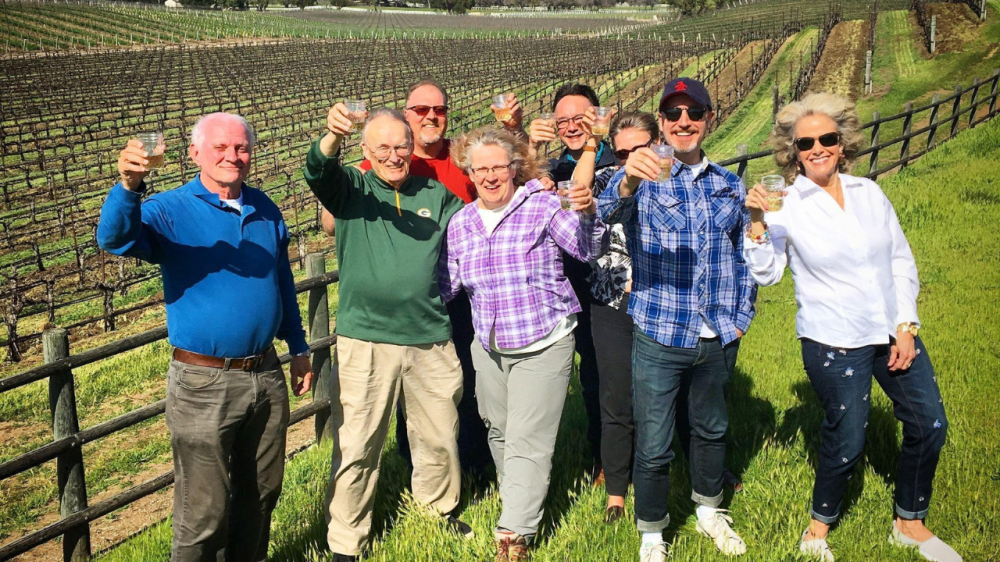
This is where the weekend goes from good to genuinely memorable, but only if approached correctly.
Why the Santa Ynez Valley Is Worth the Trip
Santa Barbara is the only California coastal region with east-west oriented mountain ranges on the Pacific Coast. This transverse geography creates a funnel for cool ocean air, which is the primary reason the region can grow such a diverse range of grapes.
What that means in practice: the Sta. Rita Hills in the west, heavily influenced by morning and afternoon fog with limestone-rich soils, produces some of the finest Pinot Noir in the county. Ballard Canyon, oriented north-south through the valley, creates wind conditions ideal for Rhône varieties, with over 50 percent Syrah planted.
The Los Olivos District sits in the center with a broad alluvial terrace where Rhône, Spanish, and Italian varieties all thrive. Happy Canyon in the east, furthest from ocean cooling, is the premier spot for Cabernet Sauvignon and Merlot.
That’s four genuinely distinct wine personalities within a 30-mile stretch. Trying to hit all of them in one day leads to rushed tastings and a forgettable afternoon. Pick one or two AVAs and go deep.
The Case for Going With a Guide
Here’s the part most itineraries skip over. The best producers in this valley are not always the ones with the biggest tasting rooms or the easiest-to-find websites. The most exceptional estates are private, family-owned, and appointment-only.
Large buses get turned away at the gate. But small-group tours gain access to wineries where the real conversations happen, in the rows of vines, in the cellars, with the people who actually made what’s in the glass.
Over 80 percent of vineyards in the Santa Barbara region are certified eco-friendly, and the best spots remain private and appointment-only. This is not a region where showing up at a commercial tasting bar on a Saturday and asking for the “best wine” yields much. The real depth is elsewhere.
Sustainable Wine Tours has been top-rated with thousands of five-star reviews on Google, TripAdvisor, and Yelp since 2007, offering curated and educational Santa Barbara wine experiences built around budget, timing, and expectations.
Their shared tour format gets visitors into private, family-owned vineyards not open to the general public, with seated private tastings often directly with the winemakers, plus behind-the-scenes access to production facilities and actual walks through working vineyards.
Reviews consistently mention meeting the winemakers directly and feeling like the experience was personal and welcoming rather than scripted. That distinction is real. A tasting room script is a tasting room script. A conversation with the person who made the wine is something else entirely.
Why a guided wine tour beats self-driving for most visitors:
| Self-Driving | Guided Tour |
| Limited to public tasting rooms | Access to private, appointment-only estates |
| Someone has to stay sober | No designated driver needed |
| Navigation and parking on unfamiliar roads | Local expertise handles logistics |
| Generic flight pours | Seated, curated tastings |
| No context for what you’re drinking | Educational, winemaker-led experience |
| Harder to pace the day | Structured and relaxed at the same time |
The Wine Styles Worth Knowing Before You Go
A little context makes the tastings significantly better:
- Pinot Noir from Sta. Rita Hills: Richard Sanford and Michael Benedict planted the county’s first Pinot Noir vines here in 1971. Approximately 94 percent of land under vine in the sub-AVA is now devoted to this grape. Expect dark cherry, earthy depth, and a structure that holds longer than most California Pinot.
- Syrah from Ballard Canyon: A smaller, more intimate region lined with family-owned vineyards focused on sustainable farming, with Ballard Canyon being the only AVA in the United States essentially dedicated to Syrah as its primary variety.
- Chardonnay across the valley: Ranges from crisp and unoaked in the cooler western areas to rich and stone-fruit-driven further inland. Worth asking the pourer which style their version falls into.
After the Valley: A Saturday at the Farmers Market
If the weekend includes a Saturday, the farmers market on Carrillo Street and the 900 to 1000 blocks of State Street is worth building around. It runs weekly with everything from fresh produce to locally made hummus and honeycomb, and the mushroom stand in particular gets attention from regulars. The vendors are the kind who actually know what they’re selling. It’s not enormous. It’s genuinely good.
Late Afternoon: Lotusland or Stearns Wharf
Two very different options depending on energy levels.
Lotusland is the less obvious choice and the better one for people who haven’t been. Once a private estate owned by Madame Ganna Walska, it’s now open for self-guided or docent-led tours through hundreds of plant varieties across multiple distinct gardens. The cactus garden is a standout. Tickets must be booked online. Capacity is capped and weekends fill quickly.
Stearns Wharf is the classic. Walk it in the late afternoon when the light changes. The pier and surrounding beach path make for a perfect sunset walk, and the view back toward the city from the end of the wharf is one of those shots that earns its reputation. Casual seafood at the wharf restaurants, cold drink, Pacific Ocean in front of you. There are worse ways to end a weekend.
Where to Stay
The Funk Zone and lower State Street area are the obvious picks for walkability. Both keep you close to the wine trail, the waterfront, and the best restaurants without needing a car for anything on Day One.
| Budget Range | Best Area to Look |
| Splurge | Hotel Californian in the Funk Zone, Mar Monte Hotel near the beach |
| Mid-range | Hotel Santa Barbara, boutique options on upper State Street |
| Value | Short-term rentals in the upper State Street corridor or near the harbor |
Practical Details That Actually Matter
- The Saturday farmers market and popular tasting rooms fill up fast. Get to the Funk Zone before noon if possible.
- The 101 gets heavy on weekend afternoons heading back toward LA. Build that into return timing. The Amtrak Pacific Surfliner from Los Angeles is a genuinely good call for a wine-heavy weekend.
- Spring (March through May) and early fall (September and October) hit the sweet spot of good weather and manageable crowds. Summer weekends are notably busier and hotter inland in wine country.
- Most tasting rooms require reservations now, even ones that used to be walk-in friendly. Check ahead.
- The Honor Bar serves great craft cocktails and comfort food in a space that feels more like a local haunt than anything aimed at tourists. Worth keeping in mind for a lower-key evening.
Frequently Asked Questions
How many days does a proper Santa Barbara itinerary really need?
Two full days is the realistic minimum to cover the city highlights and get a real taste of the wine country without feeling rushed through everything. Three days gives room to slow down, explore Montecito separately, and spend more time in a single wine region rather than skimming across several.
Is a guided wine tour actually worth it, or can someone just drive themselves?
For most visitors doing a weekend trip, a guided tour is genuinely the better experience. The best producers in Santa Barbara wine country are appointment-only and not accessible without a guide or personal connection. A curated tour also removes the designated driver problem entirely, which matters more than most people expect after the second tasting.
What is the Funk Zone and why does it come up in every Santa Barbara itinerary?
The Funk Zone is a 10-block neighborhood near the Santa Barbara waterfront built out of converted warehouses and mural-covered buildings. It contains the densest section of the Urban Wine Trail, with over 20 tasting rooms, craft breweries, art galleries, restaurants, and boutique shops all within a short walk of each other and the beach.
When is the best time of year to visit Santa Barbara?
Spring and early fall are the strongest options. March through May brings mild temperatures and smaller crowds before summer peaks. September and October are especially good for wine enthusiasts since harvest activity picks up across the Santa Ynez Valley, and the weather inland is still comfortable without being as intense as July or August.