
What Makes Happy Canyon Wineries Different From the Rest of Santa Ynez Valley?
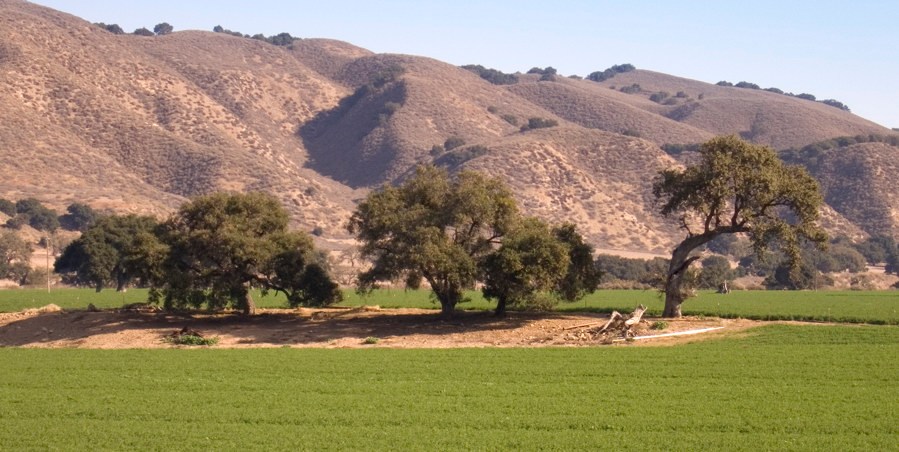
Short answer: Happy Canyon wineries sit in the warmest, most inland pocket of the entire Santa Ynez Valley, producing bold Bordeaux-style wines that the cooler coastal AVAs simply cannot grow. It is the smallest AVA in Santa Barbara County, has fewer than a handful of active wineries, and most of its vineyards are private, appointment-only locations that casual wine tourists never see.
That alone should tell you something. But there is a lot more going on here than just temperature.
A Quick Look at the Santa Ynez Valley’s Sub-AVAs
Santa Ynez Valley is not one thing. It stretches roughly 30 miles from the Pacific coast inland, and within that span, conditions change dramatically. The valley currently holds four official sub-appellations, each with a totally different personality.
| AVA | Climate | Known For |
| Sta. Rita Hills | Coolest, heavy marine influence | Pinot Noir, Chardonnay |
| Ballard Canyon | Moderate, wind-driven | Syrah, Grenache |
| Los Olivos District | Warm-moderate, versatile | Rhone and Italian varietals |
| Happy Canyon of Santa Barbara | Warmest, most inland | Cabernet Sauvignon, Bordeaux blends |
Look at that spread. From cool-climate Pinot Noir country on one end to full-bodied Cabernet Sauvignon country on the other. And Happy Canyon sits at the far eastern edge, practically in its own world.
Geography That Changes Everything
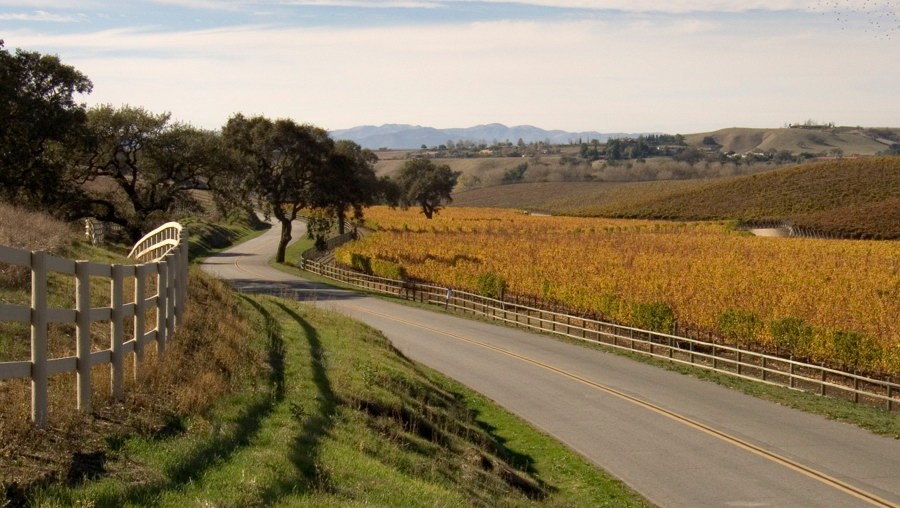
Here is the thing most people don’t realize about Santa Ynez Valley. Unlike most California mountain ranges that run north to south, the Santa Ynez and San Rafael Mountains run east to west. That is a big deal. It creates an open channel that pulls cool Pacific air deep inland during the afternoon and evening hours.
Happy Canyon sits far enough east that it escapes most of the heavy marine fog that defines Sta. Rita Hills. The Santa Ynez Mountains actually shelter it from the coastal chill. But those late-afternoon breezes still reach the canyon, cooling things down after hot days that regularly push into the low 90s during the growing season.
This creates something pretty special for winemaking: long, warm days that give grapes full ripeness, followed by cool nights that preserve natural acidity. The result? Wines with real depth and body that still taste balanced rather than jammy or overripe.
The Soil Nobody Talks About
Climate gets all the attention, but the soil in Happy Canyon is arguably just as important to what makes these wines different.
The ground here is gravelly loam packed with mineral-rich rocks. And here is the part that really sets it apart: the calcium-to-magnesium ratio in Happy Canyon soils is rarely found anywhere else in vineyard country. That unique mineral composition naturally limits vine vigor, which means:
- Smaller vines with less leafy canopy
- Tighter, smaller clusters and berries
- Lower yields per acre
- More concentrated flavors in every grape
Less fruit per vine sounds like bad business, but it is the exact opposite for quality. When a vine puts energy into fewer grapes, each one develops more complexity and intensity. That is why wines from Happy Canyon wineries tend to punch above their weight in blind tastings.
Why Bordeaux Varietals Thrive Here
Walk into any tasting room along the western Santa Ynez corridor, and you will find Pinot Noir, Chardonnay, and Syrah dominating the lists. Those grapes love cool maritime air.
Happy Canyon flips the script entirely. The warmth here is perfect for late-ripening Bordeaux varietals that simply cannot reach full maturity in cooler spots closer to the coast.
The primary grapes grown across Happy Canyon wineries include:
- Cabernet Sauvignon (the flagship)
- Cabernet Franc
- Merlot
- Petit Verdot
- Malbec
- Sauvignon Blanc (surprisingly, having a breakout moment here)
And there is a quirk about Happy Canyon that winemakers love to talk about. In most warm climates around the world, grapes develop sugar before they develop flavor. That is a problem because it leads to high-alcohol wines that taste hollow. In Happy Canyon, the opposite happens. Flavor develops first, and sugar catches up later, which produces wines with remarkable complexity without excessive alcohol levels.
That reversal alone is enough to make winemakers geek out. It is one of those rare natural advantages you cannot engineer.
The Wineries Worth Knowing
The Happy Canyon AVA covers roughly 24,000 acres on paper. But the actual farmable vineyard area is tiny, which keeps production extremely limited. There are six major vineyards and only a couple of operating wineries with tasting experiences.
Grassini Family Vineyards is the one most visitors hear about first. Founded by Larry and Sharon Grassini, the family planted their first vines in 2002 on 35 acres of a 107-acre property. They now produce around 5,000 cases annually, and the operation runs on solar power with a night-air cooling system that uses Happy Canyon’s own cool evenings to regulate the winery caves. Water for irrigation comes from an estate well-fed lake. The whole setup was designed from day one to leave as small a footprint as possible.
Crown Point Vineyards takes a different approach but lands in a similar place. Founded by Roger Bower in 2012, Crown Point brought in a French winemaking team led by Simon Faury (a University of Bordeaux graduate) and consulting winemaker Philippe Melka, who is both a Bordeaux native and a trained geologist. That geology background matters here because Crown Point’s entire philosophy revolves around understanding the rock and soil structure of the estate. Their wines are highly allocated and available almost exclusively through a mailing list.
Grimm’s Bluff is another name worth knowing. The Grimm family ranch sits 300 feet above the Santa Ynez River, and their estate is certified Biodynamic. They focus on Sauvignon Blanc and Cabernet Sauvignon in collaboration with winemaker Ernst Storm, with private tours and tastings by appointment only.
Other key vineyards sourced by winemakers across the county include Star Lane (780 acres with 145 planted), Vogelzang, Cimarone, and McGinley.
Why Happy Canyon Stays Under the Radar
Here is a detail that surprises most people. Locals in the Happy Canyon area have actually succeeded in blocking commercial tasting rooms from opening in the canyon itself. That is not an accident. Residents want to keep tourism and traffic low, and as a result, Happy Canyon has none of the bustling tasting room culture you find in Los Olivos or along the Foxen Canyon Wine Trail. For context on what that contrast looks like, the Foxen Canyon Wine Trail has 16 wineries along a 30-mile route, most of them open to drive-up visitors on any given weekend.
That makes it harder for casual visitors to access. But for travelers who value intimate, private wine experiences over crowded bar-style tastings, it is exactly what makes the area special. Getting into these properties typically requires either a personal connection, a mailing list membership, or a guided tour with a company that has established relationships with the producers.
Sustainability Runs Deep
Sustainability is not a marketing buzzword in Happy Canyon. It shows up in real, operational ways.
Grassini’s solar-powered winery. Crown Point’s commitment to growing grapes in harmony with the natural environment. Grimm’s Bluff going fully biodynamic. Even the general character of the area, where horse farms and cattle ranches still outnumber vineyards, reflects a community that prioritizes stewardship over development.
For visitors who care about where their wine comes from and how it is made, that matters. A lot.
How to Actually Visit Happy Canyon Wineries
Because most Happy Canyon wineries are appointment-only or private, visiting on your own can be tricky. The most practical way to experience them is through a guided wine tour that has pre-existing relationships with the producers. A private wine tour built around small-production, appointment-only estates is really the only way to get behind those gates without being on a mailing list.
That is also how visitors get the full picture. Standing in a Happy Canyon vineyard in the morning, watching fog roll across the hills before burning off by mid-morning, tasting Cabernet Sauvignon straight from the barrel inside a solar-powered cave winery… that context changes how the wine tastes. It really does.
FAQs
What grape varieties are Happy Canyon wineries known for?
Happy Canyon is known primarily for Bordeaux varietals including Cabernet Sauvignon, Cabernet Franc, Merlot, Petit Verdot, and Malbec. Sauvignon Blanc is also gaining recognition as a standout white from the region.
Is Happy Canyon the warmest part of Santa Ynez Valley?
Yes. Happy Canyon holds the warmest microclimate in the entire Santa Ynez Valley, with summer daytime temperatures regularly reaching into the low 90s. Cool evening breezes from the Pacific help balance this heat and preserve acidity in the grapes.
Can you visit Happy Canyon wineries without an appointment?
Most Happy Canyon wineries and vineyards are private and require an appointment or prior arrangement. The local community has restricted commercial tasting rooms in the canyon, so visiting with a guided private wine tour is often the easiest and most rewarding way to experience the area.
When did Happy Canyon become an official AVA?
Happy Canyon of Santa Barbara received its official AVA designation in November 2009, making it the smallest and one of the newest appellations in Santa Barbara County.