Is Santa Barbara in January Still Good for Wine Tasting, or Too Cold?
Short answer: Yes. Santa Barbara in January is not only good for wine tasting, it might actually be better than peak season.
Average daytime highs still hit around 65°F. Rain only shows up about 5 to 7 days out of the month. And the tasting rooms that are packed shoulder-to-shoulder in July? Nearly empty. That means more time with the actual winemakers, shorter waits, and a pace that lets visitors actually taste the wine instead of rushing through a flight.
But let’s dig into this properly. Because the real question isn’t whether January “works” for wine country. It’s whether it’s worth building a trip around.
The Weather Reality Check
Here’s the thing. People hear “January” and picture bundling up in parkas. That’s not how the Central Coast of California operates.
Santa Barbara sits in a Mediterranean climate zone with over 300 days of sunshine per year. January brings daytime temperatures between 55°F and 65°F, with cooler evenings dipping to around 45°F. Is it beach weather? No. Is it comfortable for walking through vineyards, sitting on a winery patio, or spending the day sipping Pinot Noir? Absolutely.
The rain risk is real but manageable. About 21% of January days see some rainfall, which means roughly 4 out of 5 days stay dry. And even when rain rolls through, it tends to be light and short-lived. Pack a layer or two and comfortable shoes, and there’s really nothing stopping a full day in wine country.
For a complete breakdown of what each month looks like, the month-by-month Santa Barbara travel guide covers weather, crowds, and activities across all four seasons.
Compare that to, say, Napa in January, where fog sits heavy in the valley, and temperatures hover closer to the low 50s. Santa Barbara’s coastal influence keeps things milder and more predictable.
Why January Might Be the Best Month Nobody Talks About
This is where things get interesting. Most wine country marketing pushes harvest season (September and October) as the “must-visit” window. And sure, harvest has its energy. But for the actual tasting experience? January has some serious advantages that don’t get enough attention.
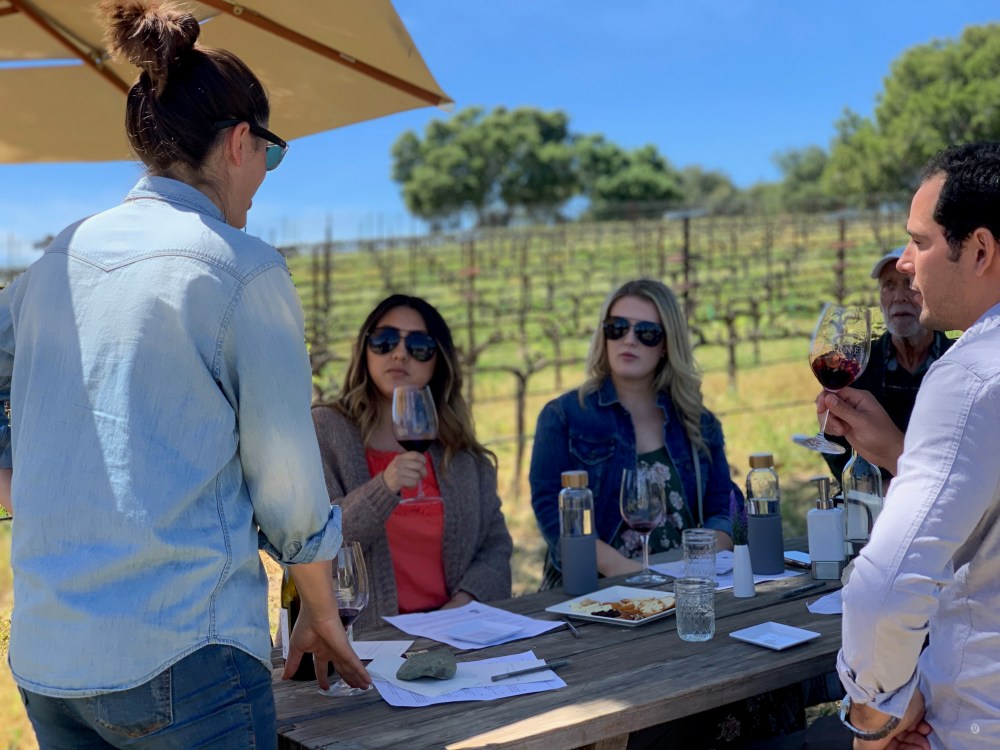
- Fewer crowds, more conversation: Tasting room staff aren’t juggling 40 guests at once. The pace slows down, and that changes everything. Winemakers who are buried in production work during harvest suddenly have time to sit down, pour, and talk about what they’re doing. That kind of access is hard to get in July.
- Lower tasting fees and better availability: Tasting fees in winter tend to run between $20 and $45, which is at the lower end of the annual range. Reservations are rarely required during the week, and even weekend slots open up without the months-ahead booking window that summer demands.
- Hotel rates drop significantly: The period from January through March (excluding holiday weekends) offers the most competitive hotel pricing in Santa Barbara. Mid-week rates can run 30 to 40 percent lower than weekend summer pricing. That’s a meaningful difference when a beachfront room in August might cost $400 or more per night.
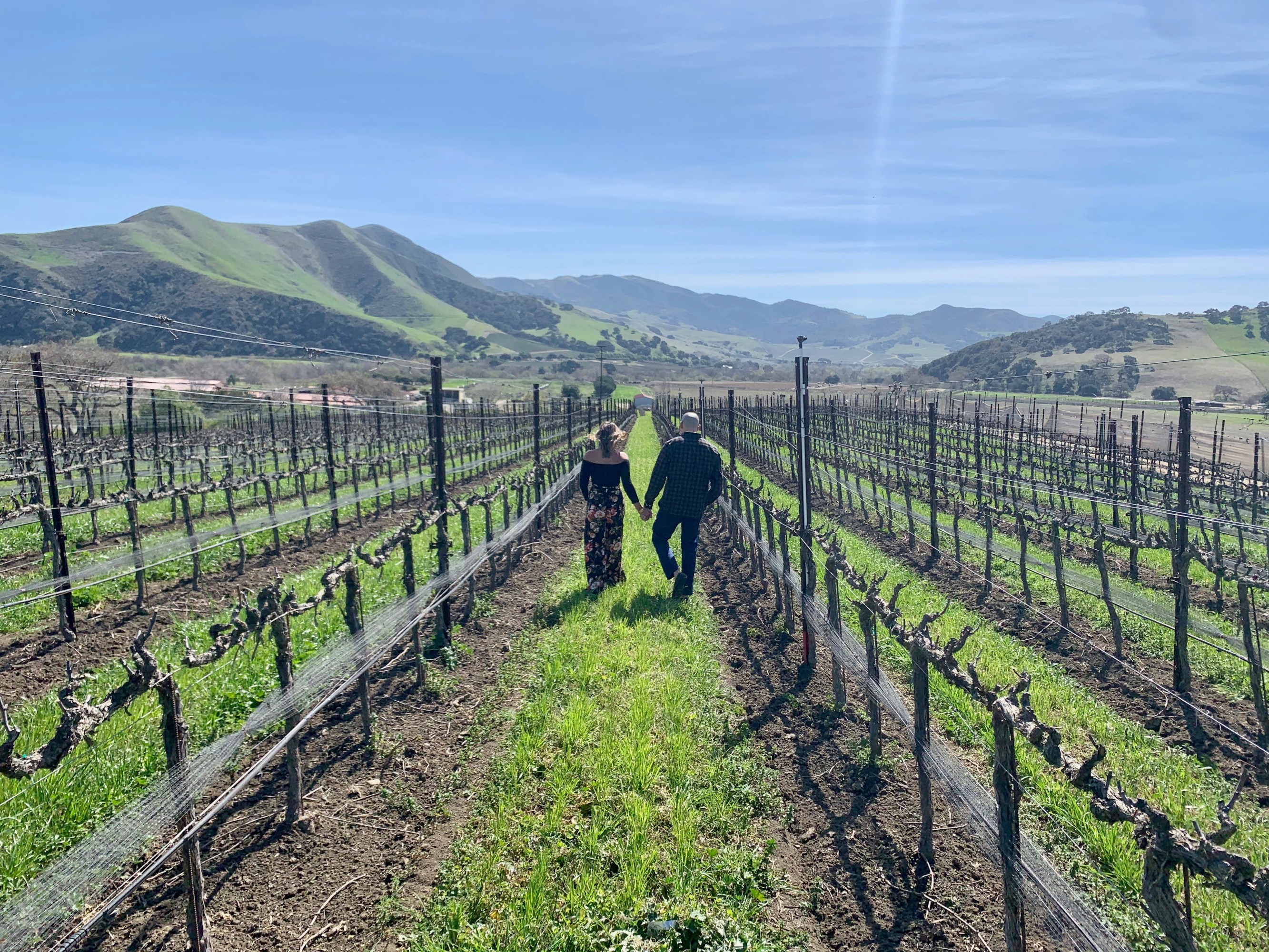
- The vines tell a different story: Vineyards in January are dormant, with bare vines set against dramatic winter skies. It’s a completely different visual from the lush green of summer, and honestly? The winter vineyard landscape photographs better than most people expect. Pruning season is underway, and some wineries offer a closer look at how that process shapes the next vintage.
What’s Open and What’s Not
This is the practical concern, and it’s fair to ask. Here’s what to expect from Santa Barbara wine country in January:
- Most tasting rooms stay open year-round: Santa Barbara’s Urban Wine Trail in the Funk Zone runs daily, with tasting rooms operating their normal hours.
- Some smaller wineries reduce hours: A handful of boutique producers may close Mondays and Tuesdays or shift to 10 a.m. to 5 p.m. schedules. Calling ahead or booking through a tour operator eliminates any guesswork.
- The Santa Ynez Valley, Los Olivos, and Lompoc Wine Ghetto all remain active: These aren’t seasonal operations. They pour wine year-round.
- Private and small-group tours run without interruption: Tour companies that work with boutique wineries often have even better access in winter because the wineries aren’t stretched thin.
The only real consideration? A few outdoor-only venues might feel chilly on a particularly cool or damp day. But most Santa Barbara tasting rooms have indoor seating, fireplaces, or covered patios that make winter visits feel cozy rather than uncomfortable.
January vs. Peak Season: A Side-by-Side Look
| Factor | January (Off-Season) | June to August (Peak) |
| Daytime Highs | 60 to 65°F | 72 to 77°F |
| Crowd Levels | Low | High |
| Tasting Room Wait Times | Minimal to none | 20 to 45 minutes at popular spots |
| Tasting Fees | $20 to $45 | $30 to $60+ |
| Hotel Rates | 30 to 40% lower | Full price or premium |
| Winemaker Availability | High (post-harvest downtime) | Low (busy with visitors and production) |
| Reservation Required? | Rarely, except holiday weekends | Almost always on weekends |
That table tells the story better than anything. For wine lovers who care more about the wine and the people behind it than they do about perfect beach weather, the off-season math works out.
The Film Festival Bonus
Here’s a nice perk that many people overlook. The Santa Barbara International Film Festival typically runs in early February, and the buzz starts building in late January. Visitors planning a Santa Barbara trip in January can extend into early February and catch one of the West Coast’s most respected film events alongside their wine tasting. It’s a surprisingly natural pairing, combining world-class cinema with world-class wine.
What Makes Santa Barbara Wine Country Different Year-Round
Santa Barbara County is home to seven distinct AVAs (American Viticultural Areas), and the geography here is genuinely unique. The Santa Ynez Mountains run east to west, which is the only transverse range along the entire Pacific Coast from Alaska to Chile. That orientation funnels cool ocean air directly into the valleys, creating growing conditions that support an unusual range of grape varieties.
Cool-climate Pinot Noir and Chardonnay thrive in the Sta. Hills and Santa Maria Valley. Rhône-style Syrah and Grenache excel in Ballard Canyon. Bordeaux varieties like Cabernet Sauvignon dominate Happy Canyon. That diversity means a single day of tasting can cover an incredible range of styles, and that holds true in every season.
Tips for Making the Most of a January Wine Trip
- Layer up: Mornings can start cool, especially in the valleys. By midday, a light jacket is usually enough.
- Book a guided tour: Navigating wine country without a car means no one has to be the designated driver. And in January, small-group wine tours get even more intimate since there are simply fewer guests to share the experience with.
- Ask about winter releases: Some wineries release new vintages in the quieter months, and being one of the first to taste a new bottling is a genuine treat.
- Go midweek if possible: Tuesdays through Thursdays in January feel practically private. Even the most well-known tasting rooms have open seats.
- Don’t skip downtown Santa Barbara: The Funk Zone and Presidio Neighborhood have dozens of urban tasting rooms within walking distance. No driving required.
The Bottom Line
Santa Barbara in January isn’t some compromise trip. It’s a different kind of wine country experience, one that prioritizes intimacy, access, and value over warm weather and Instagram backdrops. The wine is the same. The winemakers are more available. The hotels are cheaper. And the tasting rooms have room to breathe.
For anyone who actually cares about the wine itself, January is quietly one of the best times to visit.
Frequently Asked Questions
Is it too cold to visit Santa Barbara in January?
Not at all. January daytime temperatures average around 65°F with plenty of sunshine. It’s cooler than summer, but far from cold. Most visitors find the weather perfectly comfortable for wine tasting, walking, and outdoor dining with a light layer.
Are wineries in Santa Barbara open in January?
Yes. The vast majority of tasting rooms in the Funk Zone, Santa Ynez Valley, Los Olivos, and Lompoc operate year-round. Some smaller producers may have reduced hours on certain weekdays, so calling ahead or booking a guided wine tour is always a good idea.
Is January a good time for wine tasting in Santa Barbara?
January is one of the best months for wine tasting in the region. Fewer visitors means shorter waits, lower tasting fees, more face time with winemakers, and a relaxed pace that actually lets people enjoy each pour without feeling rushed.
What should visitors wear for wine tasting in Santa Barbara in January?
Layers are key. Start with a light sweater or jacket for cooler mornings, and bring comfortable walking shoes since some wineries include vineyard tours. By midday, conditions usually warm up enough that a single outer layer is plenty.