
What Makes Solvang Wineries Different From the Rest of Santa Ynez Valley?
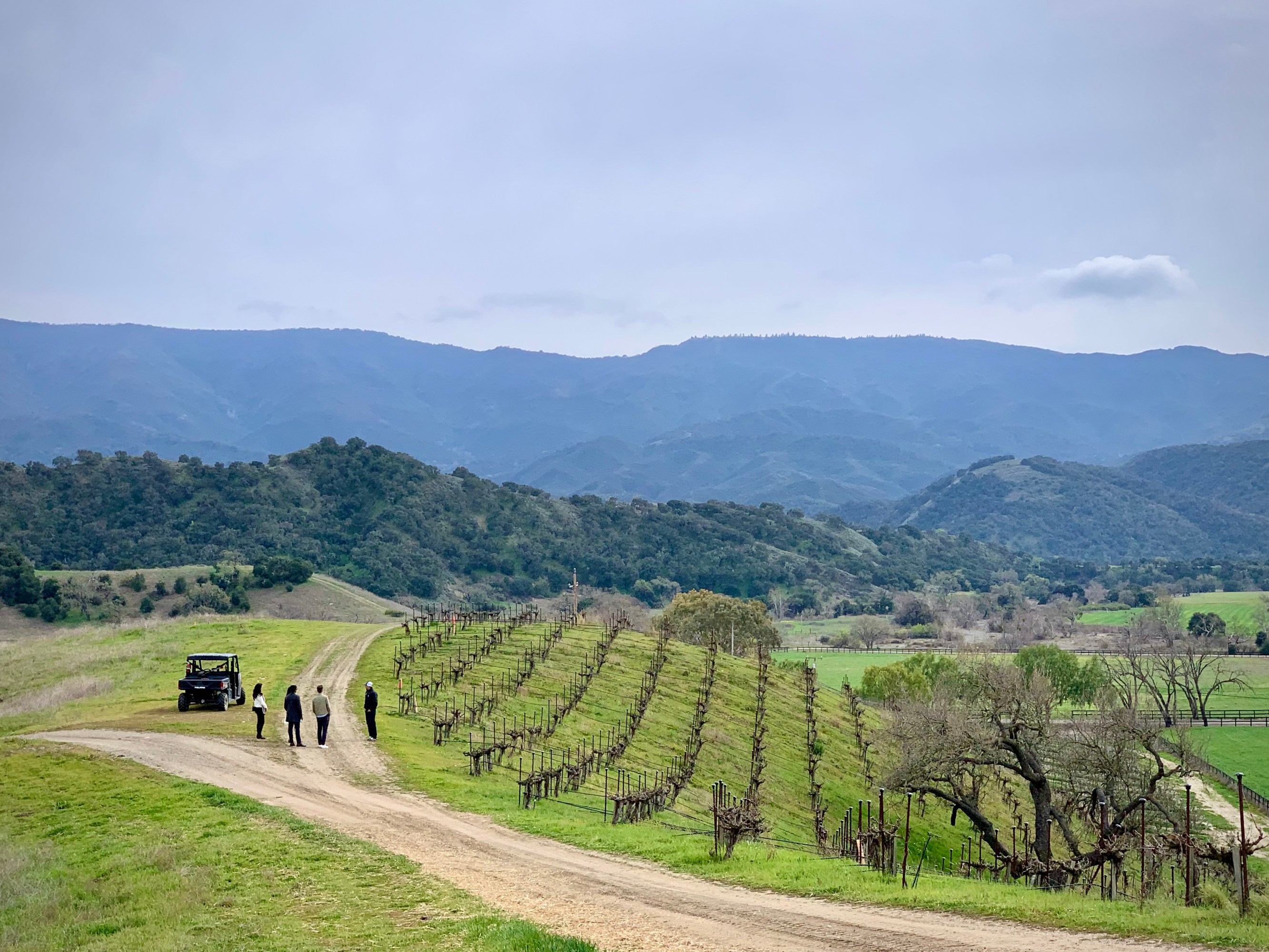
Solvang wineries are mostly walk-in tasting rooms packed into a Danish village. The rest of the Santa Ynez Valley is estate wineries spread across the hills. Right where the grapes grow. One is a stroll. The other is a drive. Both pour great wine. But the feel is worlds apart.
Solvang sits in the middle of Santa Barbara wine country. The town has no wine region of its own. Its tasting rooms pour wine grown miles away, out in the valley’s five appellations. That surprises a lot of first-timers. So what actually sets the town apart? The setup, not the wine.
Here is the quick version before the details.
| Comparisons | Solvang tasting rooms | Valley estate wineries |
| Setting | Downtown storefronts | Vineyards and hilltops |
| Getting around | Walk between them | Drive or hire a tour |
| Crowd | Busier, more foot traffic | Quieter, often by appointment |
| The vibe | Festive and quick | Slow and seated |
| See the vines? | Rarely | Yes, you stand in them |
Solvang Is a Town, Not a Wine Region
Solvang is a village, not an appellation. Danish immigrants founded it in 1911. Windmills, bakeries, half-timbered houses. The wine came much later. Today, more than 25 tasting rooms sit within walking distance of the hotels. You park once and walk all day. That is the real draw for most visitors.
But here is the thing. Most of these rooms are not wineries at all. They are storefronts for wineries based elsewhere. The grapes grow out in the valley. The wine gets poured in town. Solvang is where you taste, not where the vines live.
The town does technically fall inside the Los Olivos District appellation. Still, almost nothing grows in Solvang itself. It works better as a base than as a vineyard. Hotels, Danish pastries, and quick tasting pull the non-wine crowd too. Think couples, families, road-trippers. Not everyone here came for the Pinot.
The Rest of the Valley Is Where the Grapes Grow
Drive ten minutes out of town, and everything changes. The Santa Ynez Valley was named an appellation in 1983. It holds the county’s biggest cluster of wineries. Well over a hundred. Inside it sit four smaller appellations. Each one has its own climate and its own grape.
Here is how the four break down from the cool coast to the warm inland edge.
- Sta. Rita Hills: coolest and closest to the ocean. Fog and wind rule here. This is Pinot Noir and Chardonnay country.
- Ballard Canyon: a tight, warmer canyon in the center. More than half its vines are Syrah.
- Los Olivos District: a flat river terrace. Known for Bordeaux and Rhône blends.
- Happy Canyon: the warmest, farthest inland. Cabernet Sauvignon thrives here.
The valley runs east to west, which is rare. Cool ocean air pushes in from the coast. It warms by about a degree with every mile inland. That gradient is why one small valley grows so many grapes. Fifty-plus varieties, by some counts. Few regions of its size can say that.
The estates match the map. Sanford, out in the Sta. Rita Hills helped plant Pinot Noir here back in the 1970s. Rusack sits up on the Ballard Canyon hills. Sunstone, a vineyard near Santa Ynez, farms its vineyard organically. You taste these wines standing on the ground that made them. That changes how the wine reads. It stops being a label and starts being a place.
This is not Napa, and that is the point. Crowds are thinner. Tastings cost less. Most wineries are small, family-owned, and boutique. It is not uncommon to chat with the winemaker, or even the owner, while you sip. Santa Barbara County has even earned national Wine Region of the Year honors. Yet it still feels unhurried.
A Walk-In Tasting vs an Estate Visit
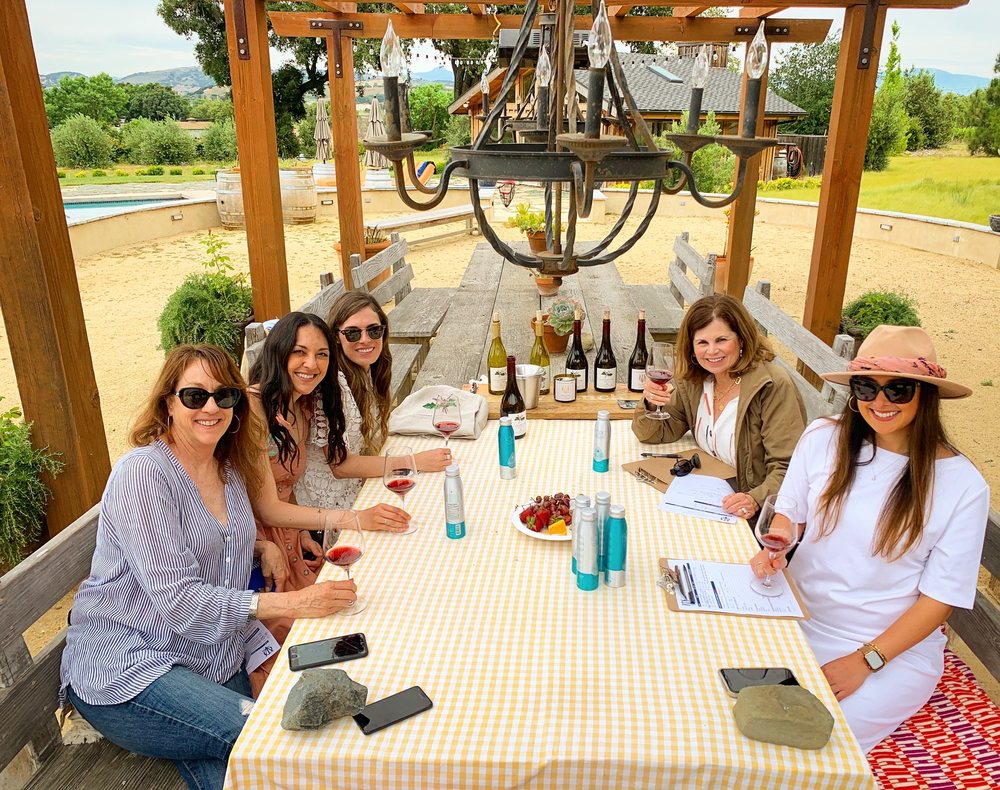
A downtown pour and an estate visit are not the same afternoon. In Solvang, you sip at a bar or a small table, with a crowd nearby. It is fun and fast. You can hit five rooms before lunch and never start the car. That convenience is the entire pitch.
An estate visit runs slower. You sit down. Someone who works the land pours for you. You look out at the vines that made the glass in your hand. Often, it is by appointment. Sometimes it is just your group and the person pouring. No line. No noise.
There is a sustainability angle too. Many valley estates farm organically, sustainably, or regeneratively. You see the cover crops and the old oaks in person. It helps to know how these vineyards are farmed before you visit. A tasting room in town hides all of that. Out here, it is the whole view. That matters if you care where your wine comes from.
So, Which Should You Pick?
Here is an honest take. It depends on what you came for.
Want a relaxed day of shops, pastries, and easy tasting? Stay in Solvang. The town is walkable, pretty, and low effort. Want to understand the wine and see where it grows? Get out among the vines. A private estate wine tour puts you right at the winemaker’s table.
Plenty of people do a little of both. A morning in Solvang. An afternoon in the hills. No rule says you have to choose just one.
How to See Both in One Day
You can pack both into one day with a plan. Start with a morning walk through Solvang’s tasting rooms. Then head into the hills for a seated estate tasting after lunch. The catch is the driving.
Tasting rooms and estates are spread across miles of rural roads. Wine and driving do not mix. That is where a small-group tour earns its keep. A shared small-group wine tour covers the driving and the bookings for you. A local driver handles the back roads. You get into private estates that never take walk-ins.
Many of the best small producers hide down these lanes. Family-run. Often sustainable. Tucked where no rental-car map will send you. A guide who knows the valley gets you past the gate. That is the part Solvang alone cannot give you.
Frequently Asked Questions
Does Solvang have its own wineries?
Sort of. Solvang has more than 25 tasting rooms, but most pour wine grown out in the surrounding valley. A few working farms, like Buttonwood, sit right at the edge of town. The village itself grows very little fruit.
Is Solvang or Los Olivos better for wine tasting?
It depends on your day. Los Olivos is denser and more wine-focused, with 20-plus rooms in a few short blocks. Solvang mixes wine with Danish bakeries, shops, and hotels. For a longer stay, Solvang makes a better home base.
Can you walk to wineries in Solvang?
Yes. More than 25 tasting rooms sit within walking distance of downtown. You will not see vineyards, though. For that, you have to head out into the valley.
Do you need a car to visit Santa Ynez Valley wineries?
For the estates, yes, or a tour. The wineries are spread across five appellations on rural roads. A small-group tour skips the driving and gets you into private, appointment-only estates.