
What Makes Los Olivos Wine Tasting Different From Napa or Paso Robles?
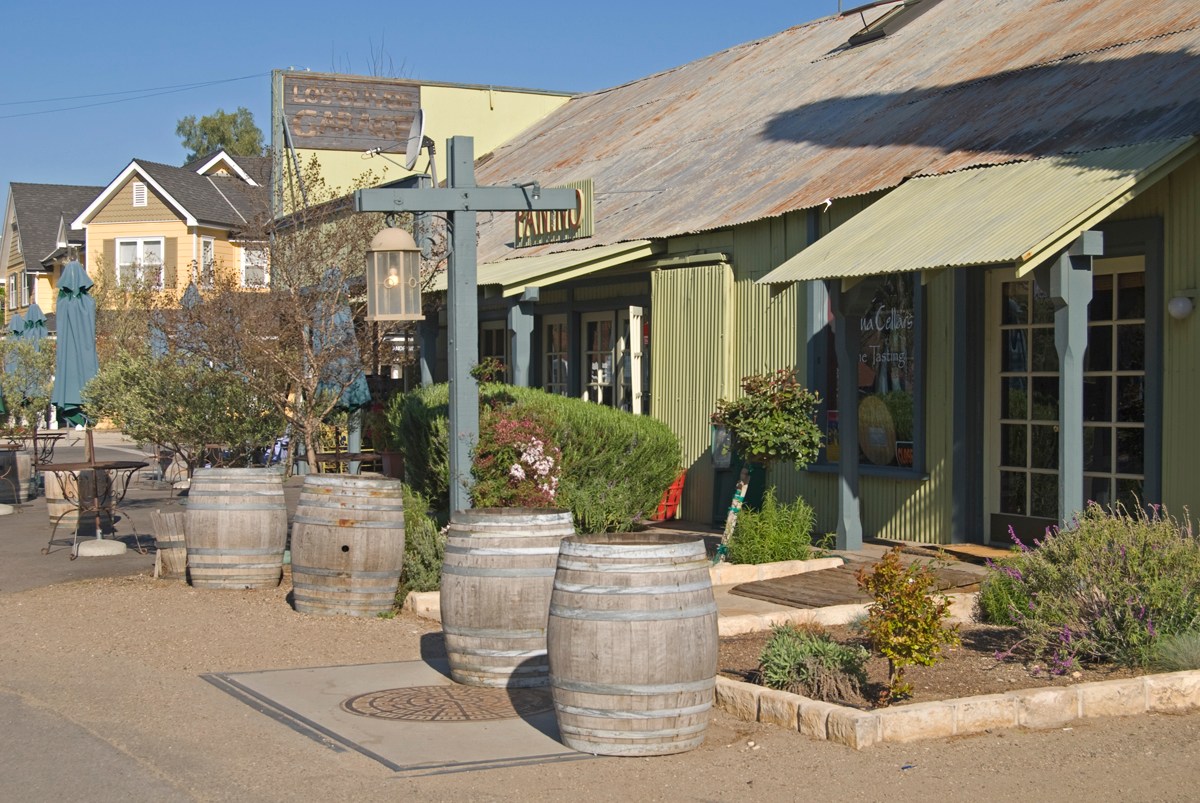
Short answer: Los Olivos wine tasting is built around walkable tasting rooms, small-production wines, and direct access to winemakers. There are no velvet ropes, no $80 pour fees, and no tour buses blocking the view. It’s a wine country on a human scale.
But that short answer only scratches the surface. Here’s the full picture.
The Obvious Comparison Everyone Gets Wrong
Most people think of California wine country and picture Napa Valley. Rolling estates. Cabernet Sauvignon. Celebrity-owned labels. And, yeah, tasting fees that hit $79 on average for a standard pour. Reserve tastings? Those run about $128. That’s per person, by the way.
Then there’s Paso Robles. More laid-back than Napa, sure. Better pricing too, with most tastings falling between $15 and $40. But Paso has over 200 wineries spread across a massive region. Visiting three in a day means a lot of driving and not a lot of lingering.
Los Olivos is a different thing entirely. The town has roughly 30 tasting rooms packed into a five-block stretch along Grand Avenue. Park the car once. Walk everywhere. That alone changes how the day feels.
And the wines? They hold their own against anything coming out of Napa or Paso. The Los Olivos District AVA was officially recognized in 2016, but vineyards here have been producing fruit since the 1960s. This region grows Rhône varieties like Syrah and Grenache alongside Bordeaux grapes like Cabernet Sauvignon and Sauvignon Blanc. Some producers even work with Spanish and Italian varieties like Tempranillo and Sangiovese.
That kind of diversity in one tiny village is surprisingly rare.
The Tasting Experience: Side by Side
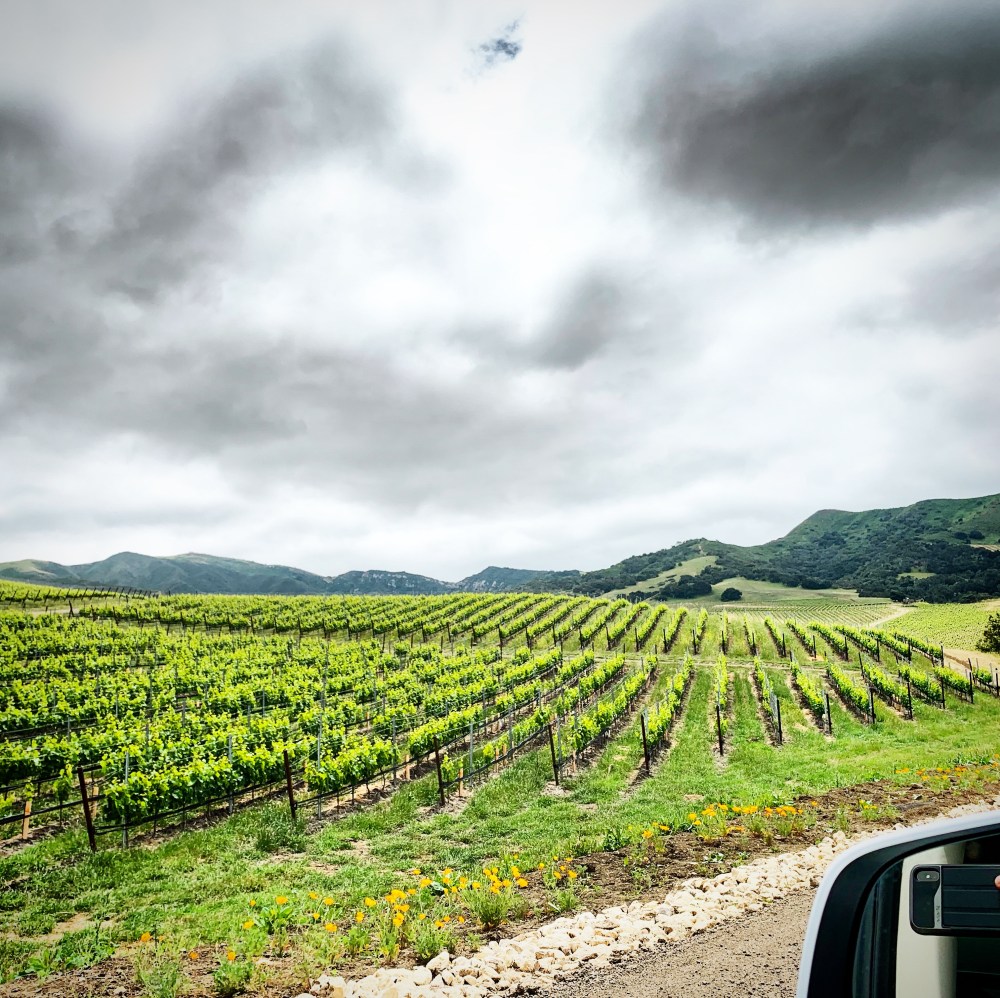
Here’s where things get interesting. Not all wine regions deliver the same experience, even when the wines are equally good. The vibe, the cost, the access to the people who actually make the wine, all of that varies wildly.
| Napa Valley | Paso Robles | Los Olivos | |
| Avg. Tasting Fee | $50-$125+ | $15-$40 | $15-$35 |
| Reserve/Premium | $128-$150+ | $50-$100 | $30-$50 |
| Walkability | Low (driving between estates) | Low (wineries spread out) | High (5-block radius) |
| Crowd Level | High, especially weekends | Moderate to high | Low to moderate |
| Winemaker Access | Rare at big estates | Varies | Common at most rooms |
| Production Scale | Often large commercial | Mix of large and boutique | Mostly small-batch |
| Reservation Required? | Almost always | Sometimes | Recommended, not always |
| Sustainability Focus | Some wineries | Growing | Strong across the region |
Look at that middle column for Paso. It’s catching up on price. Some wineries there have pushed past $50 per person, and a few have hit $100. The region’s identity is shifting, and not everyone’s thrilled about it.
Los Olivos, though? It hasn’t gone down that road. Most tastings still fall in the $15 to $35 range. And at places like Tensley Wines, the fee dropped to just $1 in late 2025. That’s not a typo. One dollar.
Why Small Production Changes Everything
Here’s the thing about big wineries. They’re efficient. They’re polished. And the experience feels polished too, sometimes to the point where it’s hard to remember which tasting room was which by the end of the day.
Los Olivos wine tasting doesn’t work that way. Most of the producers here are making small lots. Hundreds of cases, not tens of thousands. That changes two things right away.
First, the wine itself tends to be more expressive. Small-batch winemakers can take risks. They can foot-stomp their grapes. They can skip finding and filtering. They can experiment with native fermentation. These aren’t marketing gimmicks. They’re decisions that show up in the glass.
Second, the person pouring the wine is often the person who made it. At Carhartt Family Wines, the family has been farming organically and sustainably across three Santa Ynez Valley vineyards since the early 2000s.
Dragonette produces such limited quantities that most of their wine sells through the mailing list. At Stolpman Vineyards, the largest operation in Los Olivos, sustainability isn’t a buzzword. It’s the whole model. They practice dry farming, conscious employment, and native fermentation.
Try getting that kind of access at a Napa estate charging $150 a head. It doesn’t happen.
Sustainability Isn’t a Side Story Here
This is where Los Olivos really pulls ahead for a certain kind of visitor. The kind who cares about where things come from. Who wants to know whether the vineyard sprays chemicals or lets the soil do its job.
Several Los Olivos producers are committed to organic, biodynamic, or regenerative farming:
- Beckmen Vineyards was the first biodynamically farmed vineyard in Santa Barbara County. No herbicides. No pesticides. No nitrogen-based fertilizer.
- Solminer Wine Company produces natural wines from biodynamic and regenerative organic vines. They even host monthly farm tours where guests can walk the vineyard and meet the animals.
- Coquelicot Estate Vineyard runs a fully organic estate. Low sulfur, no additives, no enhancements. Their philosophy is crafting wine that puts Mother Nature first.
- Storm Wines sources all fruit from vineyards that practice organic, biodynamic, or sustainable farming.
Napa has sustainability-focused producers too. But they’re scattered across a huge region, and the dominant narrative there is still about prestige and price. In Paso Robles, the sustainability conversation is growing, but it’s not yet central to the region’s identity.
In Los Olivos, sustainable winemaking isn’t a niche. It’s closer to the norm. And for visitors who care about that, it changes the entire trip.
A sustainable wine tour in Santa Barbara connects visitors directly to these producers, with behind-the-scenes access to their vineyards, farming practices, and winemaking philosophy.
The Sideways Effect (And Why It Still Matters)
Can’t talk about Los Olivos without mentioning the 2004 film Sideways. It was shot partly in and around the Santa Ynez Valley, and it almost single-handedly crashed the American Merlot market while boosting Pinot Noir sales overnight.
But here’s what most people miss. The film didn’t just put the region on the map. It captured a specific energy. Two friends driving through small towns, tasting wine in casual rooms, talking to real people. That’s still exactly what a day in Los Olivos feels like, twenty-plus years later.
Napa leans into luxury. Paso leans into rustic scale. Los Olivos still feels like the version of wine country that most people imagined before they got priced out of it.
What a Day in Los Olivos Actually Looks Like
No complicated logistics needed. The whole thing is simple.
Start on Grand Avenue around 11 a.m. Pick a tasting room. Most are open Wednesday through Sunday, some daily. Spend 45 minutes to an hour at each stop. Grab lunch at one of the local spots in between. Peasants Deli and The Lucky Hen Larder are both walkable from most tasting rooms.
Three to four stops is the sweet spot. Enough to explore a range of wines without rushing. And because everything is so close together, the transitions between stops feel like a stroll, not a commute.
Weekends are busier. Midweek visits are calmer and sometimes score walk-in availability at places that require reservations on Saturdays. But even on a busy weekend, Los Olivos doesn’t feel like a theme park. The town’s population is under 1,100 people. It’s physically incapable of getting overcrowded.
Who Should Choose Los Olivos Over Napa or Paso?
Not everyone. If the goal is a luxury estate experience with valet parking and a Michelin-adjacent lunch, Napa is built for that. If the goal is to explore a massive region with 200+ wineries over several days, Paso is the play.
But Los Olivos wine tasting makes more sense for people who want:
- An intimate, conversation-driven experience
- Access to small-production and sustainable wines
- A walkable village with no need for a designated driver between stops
- Reasonable tasting fees without sacrificing quality
- Direct contact with winemakers, not just hospitality staff
And for visitors staying in Santa Barbara, Los Olivos is just 40 minutes north. A day trip works perfectly. Pair it with a guided wine tour and the whole thing gets even easier.
A private wine tour through Santa Barbara wine country takes care of logistics and opens doors to small, family-owned estates that most visitors would never find on their own.
FAQs
How many tasting rooms are in Los Olivos?
Los Olivos has over 30 tasting rooms and wineries, most of them clustered along Grand Avenue within a walkable five-block stretch. The broader Los Olivos District AVA contains roughly 48 wineries and 47 commercial vineyards.
Is Los Olivos wine tasting cheaper than Napa Valley?
Yes. Standard tastings in Los Olivos typically cost between $15 and $35 per person. In Napa Valley, the average standard tasting fee sits around $79, with reserve experiences running $128 or more. Los Olivos offers a significantly more affordable experience without a drop in wine quality.
What wines is Los Olivos known for?
The region produces a wide range of varieties. Rhône grapes like Syrah and Grenache thrive here, along with Bordeaux varieties such as Cabernet Sauvignon and Sauvignon Blanc. Several producers also work with Spanish and Italian varietals like Tempranillo and Sangiovese, giving Los Olivos one of the most diverse grape profiles in California.
Do you need reservations for Los Olivos tasting rooms?
Reservations are recommended, especially on weekends when popular rooms fill up. But many tasting rooms in Los Olivos welcome walk-ins on weekdays and whenever space allows. Calling ahead or booking through Tock is a safe bet for a smoother visit.