
What Makes Sta Rita Hills Wine So Distinct from the Rest of Santa Barbara Wine Country?
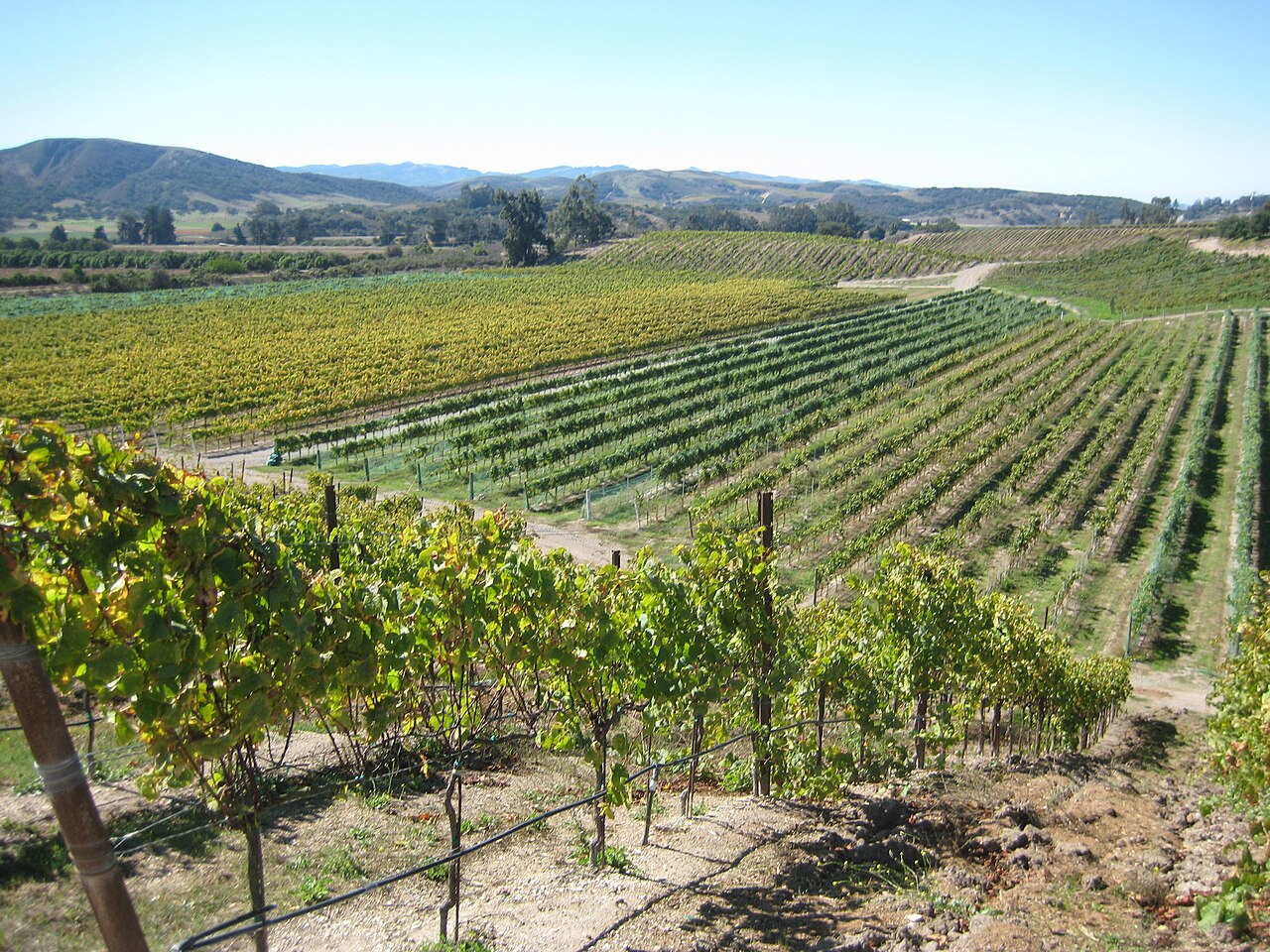
Santa Barbara wine country covers a lot of ground. You’ve got Happy Canyon making Bordeaux-style reds in the east. Ballard Canyon is doing bold Syrahs. Los Olivos is turning out textured Rhônes. They’re all part of the same county and yet taste completely different from one another.
But no sub-region within Santa Barbara pulls quite as far from the pack as Sta Rita Hills.
The wines here don’t just taste different. They taste as if they belong somewhere else entirely. Think cool Burgundy energy baked into California sunshine. Chardonnays with low pH and striking acidity. Pinot Noirs with intense fruit, silky tannins, and a distinct earthiness. That kind of profile doesn’t come from winemaking tricks. It comes from the land itself.
Here’s what actually sets Sta. Rita Hills wine apart.
A Geography That Breaks All the Rules
Sta Rita Hills sits at the western end of the Santa Ynez Valley in California’s Central Coast wine region. That sounds simple. But the geography here does something genuinely unusual.
The AVA is actually made up of two separate valleys sandwiched between three sets of hills, oriented directly west to east. That east-west orientation is the whole game. Most California valleys run north-south, which blocks marine influence. The Sta Rita Hills valleys sit perpendicular to the coast, which means cold Pacific air has a direct highway straight into the vineyards.
The coastal valleys, formed by the Purisima Hills to the north and the Santa Rosa Hills to the south, funnel cool Pacific breezes through the vineyards. Every afternoon. Reliably. Like clockwork.
This is rare. And it changes everything about how grapes ripen here.
To understand how this geography shapes the broader wine region, the Santa Ynez Valley wineries guide breaks down each AVA and what makes them worth visiting
The Temperature Gap Nobody Talks About
Want a quick way to understand why Sta Rita Hills wine is different from, say, a Santa Ynez Valley Cabernet grown just a few miles east?
The average post-veraison ripening temperature is 14.7°F hotter within the Santa Ynez Valley AVA than in the Sta Rita Hills AVA to the west. Nearly 15 degrees. On the same growing day. That’s not a minor variation. That’s the difference between two entirely different wine worlds.
The eastern Santa Ynez Valley is a “Region Two” growing area, suited to Cabernet Sauvignon, Merlot, and Bordeaux varietals that need higher temperatures to ripen properly. Sta Rita Hills, by contrast, sits firmly in Region I, the coolest possible wine-growing classification, comparable to Champagne and Burgundy.
California. But Region I. That’s the thing that makes winemakers quietly obsess over this place.
The Fog and Wind: Why the Growing Season Stretches So Long
Just 10 miles from the Pacific Ocean, the Sta Rita Hills enjoys steady afternoon winds, morning and evening fog, and a long growing season.
Fog acts as a climatic moderator, lowering temperatures during hot summer months. Combined with ocean breezes, these forces significantly extend the growing season, giving grapes extra time to develop full phenolic ripeness.
That extended season matters enormously for wine quality. The grapes aren’t racing to ripen before a heat spike burns off their acidity. They hang on the vine longer, developing complex flavors while keeping the bright, taut structure that makes Sta. Rita Hills wine is so age-worthy.
The growing season here runs 309 days. For context, that’s a lot of time for flavors to build slowly rather than in a rush.
The Soil Story: Diatomaceous Earth and Why It’s Genuinely Weird
This is where Sta Rita Hills goes from interesting to extraordinary.
The hills contain some of the world’s largest and purest deposits of diatomaceous earth, a chalky substance made of fossilized hard-shelled algae, layered into the hillsides by earthquakes and volcanic activity over millennia.
Here’s the thing. Sta Rita Hills remains essentially the only wine region in the world where vines are grown directly out of diatomaceous earth. There are deposits in Georgia, Tuscany, and Germany. None of them influences vineyard soils the way Sta Rita Hills does.
One of the world’s largest diatomite mines sits just two miles south of Lompoc, the winemaking hub for the region, which is why locals have nicknamed the surrounding landscape “The White Cliffs of Lompoc.”
This silica-based soil drains beautifully. Vines can’t get lazy. They push deep for water, develop stress, and concentrate flavors. Well-drained soils mean the vines have to work harder, and just like people who are stronger and more complex when they’ve overcome challenges, vines are the same.
The result shows up in the glass as that unmistakable chalky minerality. A kind of saline, stony quality that sits underneath the fruit. No other California appellation has it.
Beyond diatomaceous earth, the soils shift across the AVA:
- Northern corridor (Highway 246 side): Sandy and loose soils. Wines tend toward a broader, more generous texture.
- Southern corridor (Santa Rosa Road side): Shallower, rocky soils right on top of the white diatomaceous deposits. Wines are leaner, more austere, more structured.
- Eastern edges: Sandy loam and alluvial soils. Wines show more aromatic lift and round fruit.
This combination of limestone and diatomaceous earth leads to lower yields and smaller grapes with a higher skin-to-juice ratio, resulting in wines with great concentration, depth, and the potential to improve with age.
What’s in the Glass: The Wines Themselves
The grapes planted here tell the story clearly. Pinot Noir dominates the plantings, with Chardonnay second, followed by smaller amounts of Syrah, Sauvignon Blanc, and Viognier.
Pinot Noir is the flagship. These wines show intense fruit, silky tannins, and a distinct earthiness. They carry mineral notes alongside spice aromas like white pepper, coriander, and clove. Not the jammy, soft California Pinot you find further south. This is structured, grippy, alive.
Chardonnay is criminally underrated here. With glaring sunshine, moderate temperatures, cool nights, and strong ocean breezes, Sta Rita Hills offers the perfect environment for cold-weather Chardonnay. The wines are typically unoaked or lightly oaked, which is a deliberate choice. Winemakers want the place to speak, not the barrel.
Syrah grown here is different from anything you’d drink from warmer California regions. Cool-climate Syrah is aromatic. Savory. Peppery. It barely achieves ripeness some years, which sounds like a problem but is actually what makes it thrilling.
| Grape | Style Profile | Why It Works in Sta Rita Hills |
| Pinot Noir | Taut, mineral, earthy, spiced red fruit | Cool temps preserve acidity; DE soils add structure |
| Chardonnay | Crisp, citrus-driven, chalky, saline | Long hang time builds complexity without losing freshness |
| Syrah | Peppery, savory, floral, cool-climate aromatic | Marine influence keeps it lean and energetic |
| Grenache | Bright red fruit, medium body | Enough sun for ripeness, enough breeze for lift |
How It Compares to the Rest of Santa Barbara Wine Country
| AVA | Climate Type | Signature Grapes | Wine Style |
| Sta Rita Hills | Cool (Region I) | Pinot Noir, Chardonnay, Syrah | Taut, mineral, acid-driven |
| Santa Ynez Valley (East) | Warm (Region II) | Cabernet Sauvignon, Merlot, Malbec | Fuller, richer, fruit-forward |
| Ballard Canyon | Transitional | Syrah, Grenache | Bold, structured, spiced |
| Happy Canyon | Warm | Cabernet Sauvignon, Sauvignon Blanc | Bordeaux-style, concentrated |
| Los Olivos District | Moderate | Sauvignon Blanc, Rhône blends | Textured, aromatic, food-friendly |
The gap between Sta Rita Hills and the eastern Santa Ynez Valley is larger than most visitors expect. They’re technically part of the same larger appellation. In practice, they’re growing completely different wines.
The Wineries Worth Knowing
The region punches above its weight for a relatively small planted area. Roughly 2,700 acres are under vine across 60 vineyards, with a core of producers who have defined what Sta Rita Hills wine means.
A few names consistently come up:
- Sea Smoke is perhaps the most sought-after producer here, focused entirely on estate Pinot Noir and Chardonnay. Primarily available through an allocation list, booking a guided wine tour is often the best way to access their wines.
- Melville Winery farms 100% estate across Pinot Noir, Chardonnay, Syrah, and Grenache. One of the most visitor-friendly properties in the AVA.
- Sanford Winery has deep roots here. Richard Sanford planted the first Pinot Noir in the Santa Rita Hills in 1971, and the Sanford and Benedict Vineyard remains one of the most revered sites in California.
- Brewer-Clifton, founded in 1996, helped put the region on the national map with single-vineyard Pinot Noirs and Chardonnays.
- Spear Vineyards is a family-owned, certified organic property producing Chardonnay, Pinot Noir, and cool-climate Syrah from estate fruit.
The Lompoc Wine Ghetto, a cluster of boutique tasting rooms near downtown Lompoc, is the easiest entry point for first-time visitors who want to taste across multiple producers without driving between properties.
For a broader look at which estates are worth your time across all of Santa Barbara, the top Santa Barbara wineries guide covers the full picture by region.
Why Sustainable Wine Touring Makes Sense Here
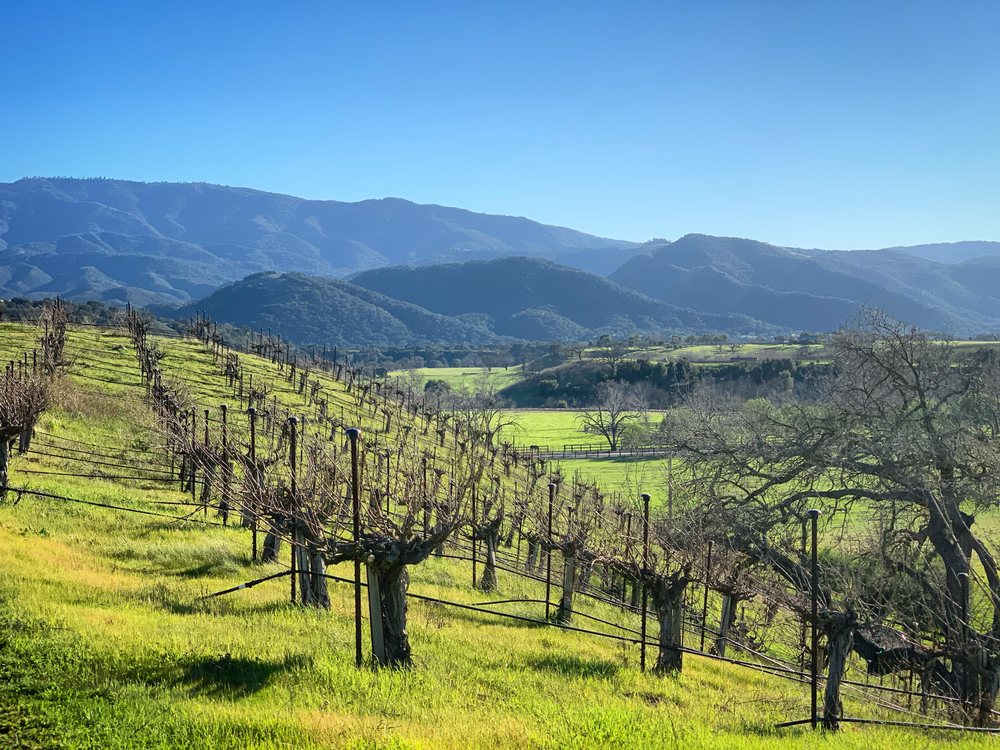 Most of the top Sta Rita Hills producers work in small volumes. Allocations fill fast. Tasting rooms require appointments. The region rewards people who plan ahead and know which doors to knock on.
A guided tour through this AVA does what no self-drive itinerary can. You get access to producers who don’t advertise, private barrel tastings, and the kind of context that turns good wine into a genuinely memorable experience. The terroir story here is complex enough that hearing it explained in a vineyard, while standing on diatomaceous earth, lands differently than reading about it.
Sta Rita Hills wine is specific. The producers who make it are specific. Experiencing it the right way deserves the same approach.
Experiencing it the right way deserves the same approach. Sustainable Wine Tours runs private and small-group tours through the Sta Rita Hills and across Santa Barbara wine country, with access to boutique producers you won’t find on a self-guided map.
FAQs
What grapes are grown in Sta Rita Hills?
Pinot Noir is the dominant variety, followed by Chardonnay, Syrah, Grenache, and smaller plantings of Sauvignon Blanc and Viognier. The cool climate and long growing season suit all of these varieties particularly well.
How is Sta Rita Hills different from other Santa Barbara wine regions?
The main difference is temperature. The east-west orientation of the valleys funnels Pacific Ocean air directly into the vineyards, keeping the region significantly cooler than other Santa Barbara AVAs. This is why Sta Rita Hills specializes in cool-climate varieties like Pinot Noir and Chardonnay rather than the Cabernets and Bordeaux blends grown further east.
What makes the soils in Sta Rita Hills unique?
The region sits on some of the world’s largest deposits of diatomaceous earth, a porous, silica-based material made of fossilized marine algae. These soils drain exceptionally well, stress the vines, and contribute to the chalky mineral quality that shows up in the wines. No other major wine region grows directly on diatomaceous earth at this scale.
When is the best time to visit Sta Rita Hills wineries?
Late spring through early fall works well for visiting. August hosts the annual Wine and Fire event organized by the Sta Rita Hills Wine Alliance, which is one of the best opportunities to taste across the region’s producers in a single weekend. Weekday visits outside peak summer months tend to offer more intimate experiences and easier access to appointment-only producers.