Why Choose a Boutique Winery for Your Santa Barbara Wine Tasting?
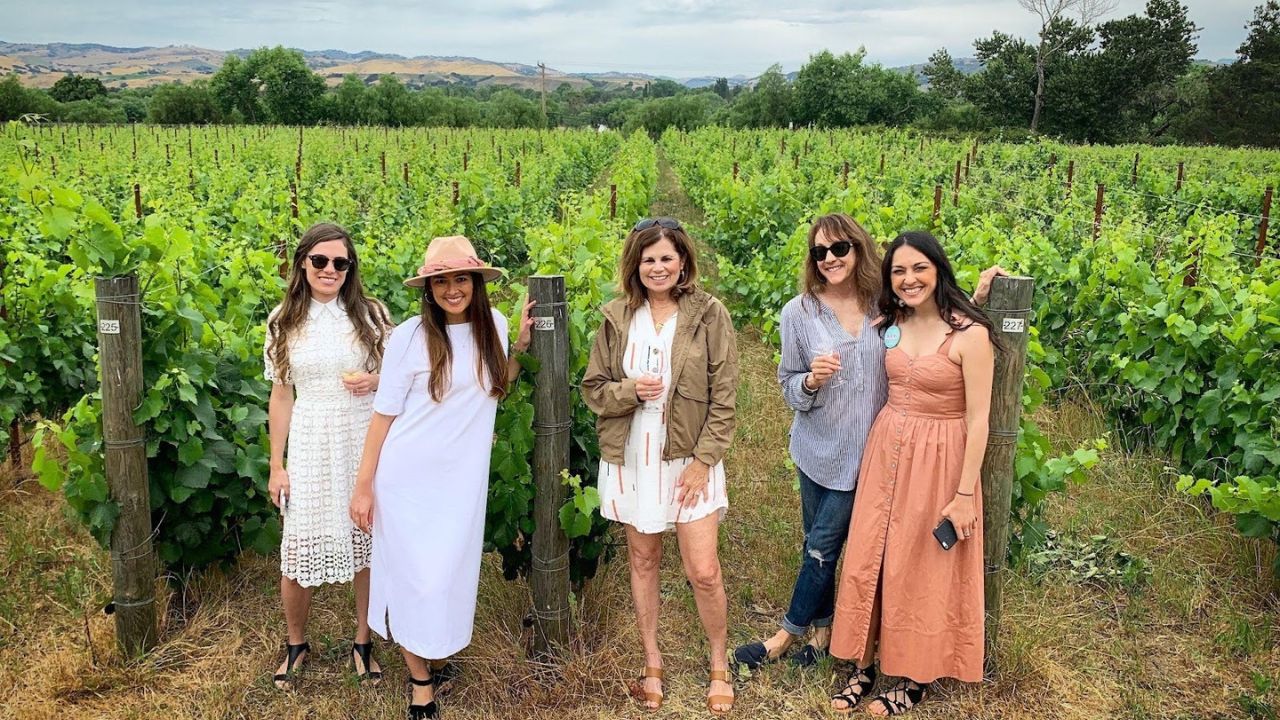
Walk into any big commercial winery on a Saturday afternoon, and you’ll get it immediately. A line at the counter. A script from a staffer who’s poured the same flight forty times that day. A tasting that feels less like wine and more like a transaction.
That’s not Santa Barbara. And honestly, that’s not why people fly in from across the country to taste here.
Santa Barbara wine country has an authentic vibe all its own, and a huge part of that comes down to one thing: the boutique winery. Small, often family-run, deeply personal. These places are the reason serious wine lovers keep coming back.
If you’ve never been to one, here’s why it should absolutely be the centerpiece of your Santa Barbara wine tasting trip.
What “Boutique Winery” Actually Means (It’s Not Just a Buzzword)
People throw this term around a lot. So let’s be clear about what it means in practice.
A boutique winery produces wine in small quantities, often under a few thousand cases per year. The owner is usually the winemaker. Or the winemaker married into the family and then took over.
Either way, you’re not sipping something created by a boardroom. You’re tasting what the winemaker personally coaxed from the soil, the barrel, and the seasons.
Think about that for a second. Every bottle represents a set of actual decisions made by a real person standing in a vineyard, watching the weather, worrying about harvest timing. That’s a completely different product from what fills the shelves at a chain grocery store.
Some ultra-boutique labels in Santa Barbara cap production at 500 cases per label, by choice. Not because they can’t grow. Because they don’t want to. The moment you scale up too fast, something gets lost in the wine. The makers here know it. And that restraint shows up in the glass.
The Experience Is Nothing Like a Commercial Tasting Room
Here’s the thing about big-name wineries: they’re optimized for throughput. Fifteen people walk in, they pour, they smile, you buy, you leave. Efficient? Sure. Memorable? Rarely.
At a boutique winery, the math is different.
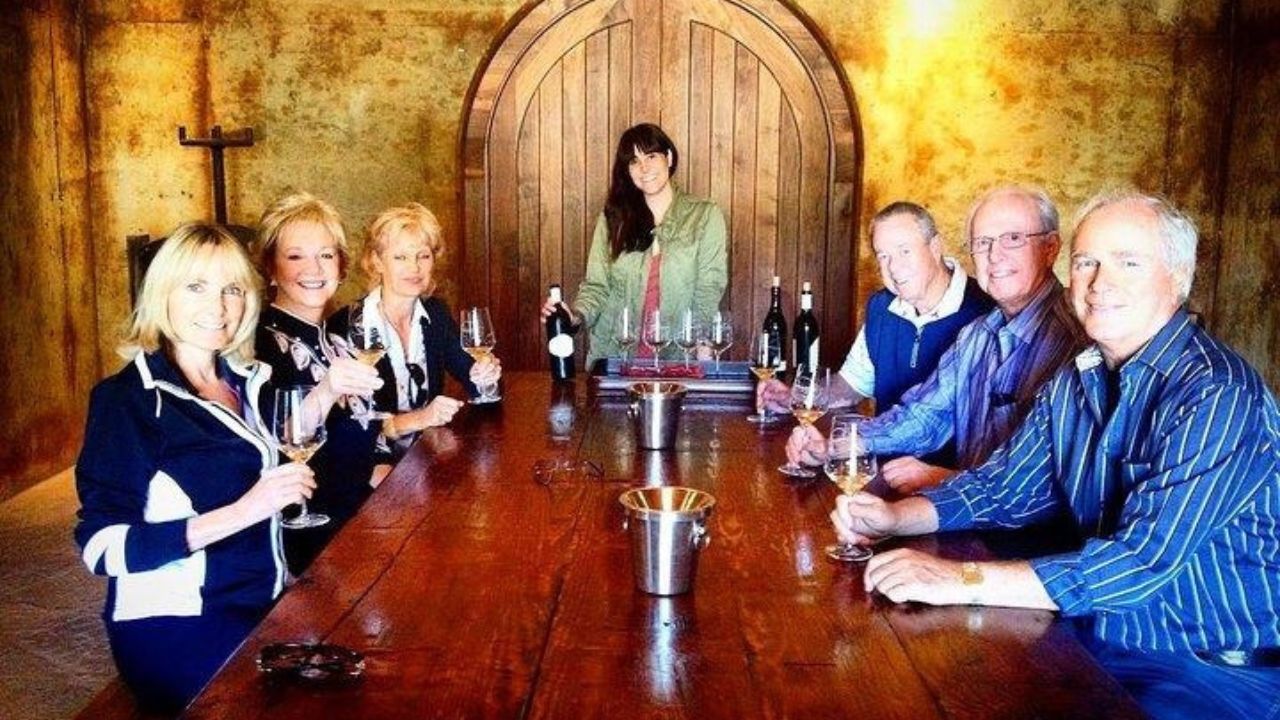
At many boutique wineries in Santa Barbara, the winemaker is literally pouring the tastings themselves. Gretchen Voelcker of Luna Hart runs intimate sessions overlooking Ballard Canyon. Pete Stolpman takes guests on actual vineyard walks.
These aren’t scripted tours. They’re conversations about farming, about the particular vintage, about why a certain block of Grenache tastes different from the one two rows over.
That kind of access doesn’t exist at a 100,000-case operation. It just doesn’t.
| Boutique Winery Experience | Commercial Winery Experience |
| Winemaker often present | Trained staff, rarely the maker |
| Small-lot wines, rarely available elsewhere | Widely distributed portfolio |
| Personalized pacing and conversation | Fixed tasting format for groups |
| Private or semi-private setting | Open to walk-ins, often crowded |
| Story behind every wine | General brand narrative |
| Appointment or tour-based | First-come, first-served |
Santa Barbara’s Terroir Was Made for Small Producers
This is something that gets overlooked when people think about why boutique wines from this region are so interesting.
The Santa Ynez Mountains that anchor this area represent the only traverse along the entire Pacific Coast from Alaska all the way down to Chile that runs east-west. That geographic quirk creates a funnel for cool Pacific air and marine fog that rolls through valleys every afternoon. The result? A region with more distinct microclimates crammed into a small area than almost anywhere else in California.
Readers who appreciate nuanced, cool-climate wines of place will find so much to discover in Santa Barbara.
And boutique winemakers exploit these microclimates intentionally. Many of them also follow natural winemaking practices, letting the vineyard do the heavy lifting instead of correcting it in the cellar.
They’re not trying to make one consistent, mass-market Pinot. They’re farming specific blocks, in specific valleys, to get wines that taste like somewhere. No other region in the world can support this diversity with the geographic, geologic, and climatic data to back it up.
A small producer can focus all their energy on one vineyard, one varietal, one expression of a place. Big producers can’t afford to think that way. Small ones can’t afford to.
You Get Wines You Simply Can’t Buy Anywhere Else
This is the part that surprises most first-time visitors.
Walk into a boutique tasting room in Los Olivos or the Santa Rita Hills, and you’ll taste wines that never see a distributor. They sell out through the wine club. Or to the people who show up in person. That’s it.
Many of the best wineries in Santa Barbara are private estates not open to the public, providing exclusive, personalized experiences.
Some only take visitors through curated tours, which is exactly why a well-connected guide makes such a difference. Without the right access, these places simply don’t exist to you.
Consider what’s actually on offer in the region’s boutique scene:
- Rhône-style wines like Grenache and Syrah from organically farmed estates in the Santa Ynez Valley
- Cool-climate Pinot Noir from the Santa Rita Hills, with that briny, wind-kissed edge you don’t get from warmer regions.
- Chardonnay that tastes nothing like the oaky, buttery style most people grew up with
- Experimental blends from winemakers using the boutique format as a creative lab
- Single-vineyard bottlings from specific blocks, made in quantities sometimes under 200 cases
Acclaimed winemakers fashion small-lot, limited-quantity wines focusing on the diversity of Santa Barbara County, and the only way to taste most of them is to show up in person, ideally with someone who knows the doors worth knocking on.
The People Behind the Wine Make It Personal
There’s a stat worth knowing about Santa Barbara wine country: it’s home to the highest concentration of female winemakers in the world. That’s not a marketing line. That’s just a fact about this community.
It speaks to something broader. The family-owned vineyards in Santa Barbara that define this region aren’t accidental. They’re the result of deliberate choices by people who wanted to make wine on their own terms.
The boutique winery culture here is driven by people who chose this life deliberately. They left corporate careers, studied enology in Burgundy, came back, bought a small plot, and started making wine that mattered to them.
For makers like Jesse and Avery Cloutier of Sea Creatures Wine, crafting limited-production wines that capture the marine-influenced character of their home region is a deeply personal mission.
When you taste with people like that, the conversation goes somewhere real. You talk about the 2022 vintage and what the heat spike in August did to the Syrah.
You learn why one winemaker switched from new French oak to neutral barrels. You understand, for the first time, why “terroir” isn’t just pretentious wine-speak.
That’s the education most people don’t even know they’re missing.
Why a Guided Tour Changes Everything
Knowing boutique wineries are worth visiting is one thing. Getting inside them is another.
Many of the best estates in Santa Barbara are private and not open to the public. They don’t have a sign on the road. They don’t run weekend walk-in hours. The only way in is through a relationship, or through a tour operator who already has one.
This is the exact reason Sustainable Wine Tours exists. The private wine tour is built specifically around this idea, putting guests at the winemaker’s table inside estates that don’t advertise themselves to the public.
The tours focus specifically on private, family-owned boutique wineries, not the commercial spots anyone could walk into on their own.
Guests get seated, and private tastings are often conducted directly with the people who made the wine. No crowds, no noise, no standing at a bar waiting for attention.
The difference in the day is significant:
- You’re not rushed through three wineries in ninety minutes
- You’re seated, often in a private room or outdoors overlooking the vineyard
- The winemaker or owner is there, answering questions nobody else gets to ask
- The wines on the table are often things not available for purchase anywhere online
Because the group stays small, the experience stays personal. For those traveling with friends or open to meeting fellow wine lovers along the way, the shared small-group tour offers the same private estate access with a capped group of eight people maximum.
What to Look for in a Boutique Wine Tasting in Santa Barbara
Not all boutique tastings are the same. Here are a few things worth checking before you book anything:
- Production size: The smaller, the better for this kind of experience. Under 2,000 cases is a good signal that you’re dealing with a genuine craft operation.
- Who’s pouring: Ideally, the winemaker, a family member, or someone who’s been there long enough to tell real stories. Not a seasonal hire reading off a laminated card.
- Whether it’s by appointment: Walk-in tasting rooms in the Funk Zone are fun, but the truly private estates almost always require an appointment. That’s where the magic is.
- Access to unreleased wines: Some boutique wineries will open a barrel sample or a pre-release bottle for visitors. That’s a sign they take the tasting experience seriously.
- The setting: Tasting in a converted warehouse in downtown Santa Barbara is one thing. Tasting in an estate vineyard in the Santa Ynez Valley with the hills behind you is another. Both have their place, but for a full Santa Barbara wine country experience, the estate visits are hard to beat.
The Bottom Line
Santa Barbara has over 250 wineries. A lot of them are good. But the boutique producers, the small family operations, the winemakers who are physically present when you show up, those are the ones people talk about when they get home.
The vintners here engage with visitors at many wineries and share their passion for wine. That’s not standard in most wine regions. In Santa Barbara, it’s just how things are done at the boutique level.
And that’s exactly why it’s worth doing it right. Skip the crowded tasting rooms. Get into the private estates. Taste wines that don’t exist on any retail shelf. Talk to the person who grew the grapes.
That’s the Santa Barbara wine tasting experience that stays with people. Not the one they queued up for.
FAQs
- What is a boutique winery?
A boutique winery is a small-scale producer focused on limited batches and high-quality wines, often offering more personal tasting experiences.
- Are boutique wineries more expensive?
Not always. Some may charge higher tasting fees, but the experience and exclusivity add more value.
- Do boutique wineries require reservations?
Yes, many boutique wineries recommend or require reservations due to limited space and staff.
- Why are boutique wineries popular in Santa Barbara?
Santa Barbara’s climate and geography support small-scale wine production, making it ideal for boutique wineries focused on quality and sustainability.