What Should First-Time Visitors Know Before Booking a Santa Barbara Chardonnay Tasting Tour?
Quick answer: Santa Barbara County produces some of the most Burgundy-style Chardonnay in California thanks to its unusual east-to-west mountain valleys that funnel cool Pacific air over the vineyards. First-time visitors should know that the best Chardonnay comes from the Sta. Rita Hills and Santa Maria Valley AVAs, that guided tour costs typically range from $150 to $350 per person, and that spring and fall offer the sweet spot of great weather with smaller crowds. Choosing a small-group tour focused on boutique, sustainable wineries will deliver a far more educational (and frankly, more memorable) experience than hopping between crowded commercial tasting rooms.
Now, here’s the full picture.
Santa Barbara Chardonnay Isn’t What Most People Expect
Most visitors show up thinking California Chardonnay means one thing: big, buttery, oaky. And honestly, that assumption makes sense. Napa and Sonoma built their reputations on that style.
But Santa Barbara chardonnay plays a totally different game.
The geography here is unlike almost anywhere else in the state. Most California valleys run north to south. Santa Barbara’s major valleys, the Santa Ynez and Santa Maria, run east to west. That one geological quirk changes everything. Cool ocean air and morning fog roll straight through the valleys like a corridor, keeping temperatures low enough to give the grapes a longer growing season. The Santa Maria Valley has one of the longest growing seasons in the world, actually. That extra hang time on the vine builds complexity in the fruit without losing acidity.
What does that mean in the glass? Santa Barbara chardonnay tends to be fresher, more mineral-driven, and brighter than what people associate with California whites. Winemakers in the region often compare their Chardonnay to Burgundy, France. Not because they’re trying to be France, but because the climate and approach naturally produce that style.
For first-timers, this is worth knowing before booking a tour. Because when someone pours a crisp, citrus-forward Chardonnay that tastes nothing like the heavy California stereotype, it can be a bit of a revelation.
Know the Wine Regions Before Picking a Tour
Santa Barbara County has seven distinct AVAs (American Viticultural Areas), and not all of them are Chardonnay country. Here’s a quick breakdown of where the best Santa Barbara chardonnay comes from:
| AVA | Best Known For | Chardonnay Quality |
| Sta. Rita Hills | Pinot Noir, Chardonnay | Exceptional. Taut, racy, mineral-driven |
| Santa Maria Valley | Chardonnay, Pinot Noir | Outstanding. Stone fruit, crisp acidity |
| Santa Ynez Valley (broader) | Diverse varietals | Good, varies by specific location |
| Ballard Canyon | Syrah | Not a Chardonnay focus |
| Los Olivos District | Rhone and Bordeaux blends | Limited Chardonnay |
| Happy Canyon | Cabernet Sauvignon, Sauvignon Blanc | Too warm for top Chardonnay |
If a tour company doesn’t specify which AVAs they visit, that’s a red flag. The difference between a Chardonnay from the foggy Sta. Rita Hills and one from sun-baked Happy Canyon is enormous. First-timers benefit most from tours that route through the western, cooler-climate zones where this grape truly thrives.
What a Good Tour Looks Like (and What to Avoid)
Here’s the thing. There are a lot of wine tours in Santa Barbara. Some are fantastic. Some are glorified bus rides between crowded tasting rooms where guests stand at a bar, rush through six pours, and move on.
For a first-timer, the experience shapes how they think about wine going forward. So the format matters more than people realize.
Signs of a quality tour:
- Small group sizes (8 guests or fewer)
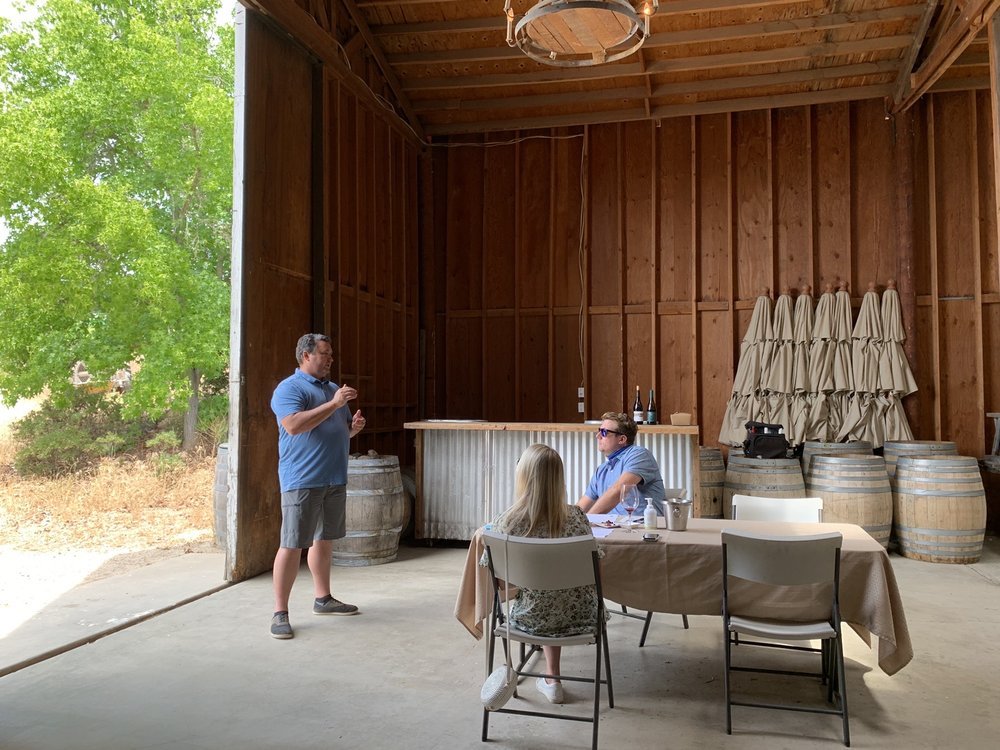
- Seated, private tastings rather than standing at a bar
- Visits to boutique or family-owned wineries, not big commercial operations
- A knowledgeable guide who can explain what’s in the glass and why it tastes that way
- All tasting fees included in the price
- Lunch provided (ideally locally sourced)
What to watch out for:
- Large group tours with 15+ people on a party bus
- Tours that don’t disclose which wineries they visit
- No mention of tasting fees being included (those add up fast at $20 to $65 per winery)
- Itineraries that skip the actual vineyard experience entirely
Tours that focus on sustainable and organic wineries tend to deliver a more educational day. These smaller producers are usually more generous with their time, more willing to walk visitors through the vineyards, and genuinely passionate about explaining the how and why behind their wine.
Tour Costs: What to Actually Budget
Pricing varies quite a bit depending on whether someone books a shared group tour or a private experience. For a detailed breakdown of what each type of tour includes and how to get the best value, check out this Santa Barbara wine tour cost guide.
| Tour Type | Typical Cost Per Person | What’s Usually Included |
| Shared/Small Group | $150 to $225 | Transportation, guided tastings at 3 wineries, tasting fees |
| Full-Day Private | $250 to $350+ | Customized itinerary, all fees, lunch, luxury vehicle |
| Half-Day Walking (Funk Zone) | $85 to $130 | Guided walk, 2-3 downtown tasting rooms |
A few things people forget to budget for: tips for the guide (usually around 15-20%), any bottles purchased at the wineries (and there will be temptation), and potentially Uber or rideshare costs to and from the pickup point.
Spring and fall tend to be the most cost-friendly seasons. Summer weekends see the highest demand and sometimes premium pricing.
Best Time to Visit for Chardonnay Lovers
Timing a trip around harvest season, which runs roughly from late August through October, adds a layer to the experience that’s hard to replicate otherwise. Visitors can actually see grapes coming in, smell active fermentation, and watch winemakers in their most intense work mode.
But spring shouldn’t be overlooked either. Vines are budding. Cover crops are blooming between the rows. The valleys look impossibly green. And because fewer tourists visit in spring, the wineries tend to be more relaxed and open to longer conversations.
Summer works fine too, though it gets hot inland. Temperatures in the Santa Ynez Valley can push past 90°F, so dressing in layers is smart since the coast stays significantly cooler.
Practical Tips That Actually Help
Some of this sounds obvious, but plenty of first-timers learn these the hard way:
- Eat a solid breakfast: Three wineries in a day means potentially tasting 12 to 18 wines. An empty stomach is not the move.
- Wear comfortable shoes: Vineyard walks involve uneven terrain, gravel paths, and sometimes muddy rows.
- Don’t wear strong perfume or cologne: It interferes with the ability to smell the wine, and other guests will notice.
- Ask questions: Seriously. Winemakers at small producers love talking about their craft. That’s half the reason they got into this business.
- Use the spit bucket without guilt: Professional tasters do it. Nobody judges. And it keeps the palate sharp for the next pour.
- Bring a cooler for the car: Buying a few bottles is practically inevitable, and Santa Barbara heat can cook wine fast in a parked vehicle.
Why Sustainable Tours Are Worth Considering
This part matters more than most visitors realize. Sustainable wineries in Santa Barbara are using organic farming, biodynamic practices, and low-intervention winemaking that genuinely affects how the wine tastes. Wines made with minimal sulfur additions and native yeasts carry a sense of place that heavily processed wines simply don’t.
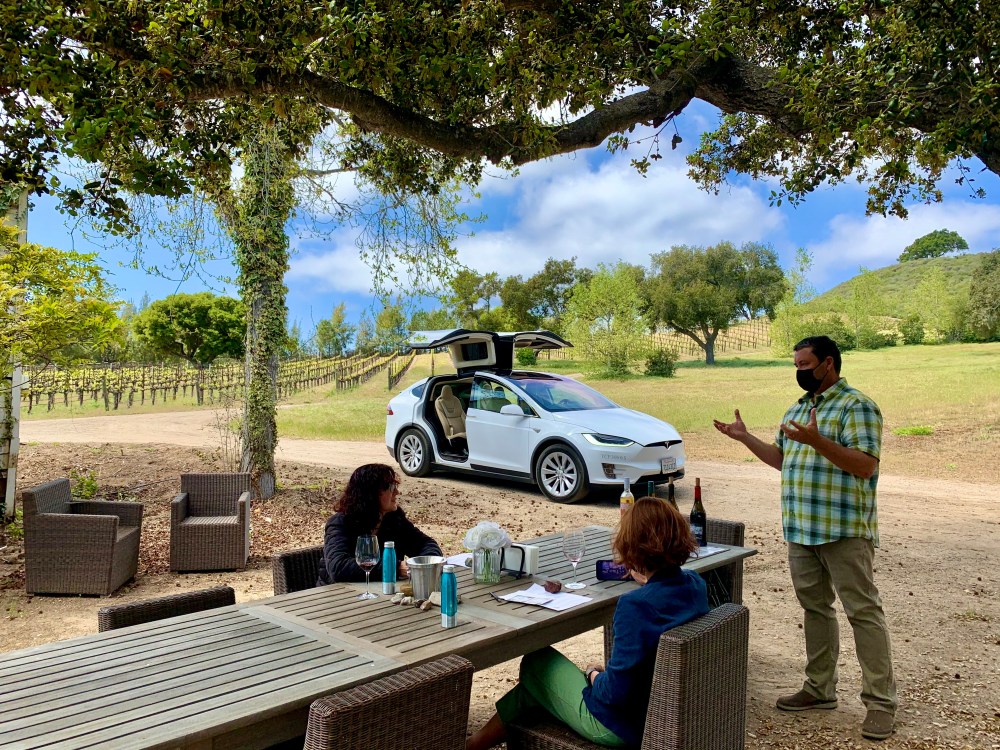
Tours built around these producers also tend to be more intimate. Think private seated tastings with the actual winemaker pouring, not a bartender reciting a script. Visitors walk the vineyard rows. They see the cover crops. They ask about the soil and get real answers.
For first-time visitors especially, this kind of experience creates a connection to wine that a generic tasting room visit just can’t match. Visitors looking for that kind of intimate, winemaker-led day can explore shared and private Santa Barbara wine tours that are built around exactly this approach.
FAQs
How many wineries should first-timers visit in one day?
Three is the ideal number. It allows enough time for seated tastings, vineyard tours, and conversation without feeling rushed. Most guided tours plan for three stops with a lunch break in between.
Is Santa Barbara chardonnay similar to Napa Chardonnay?
Not really. Santa Barbara chardonnay tends to be leaner, more mineral-driven, and higher in natural acidity compared to the richer, oakier Chardonnay styles commonly found in Napa Valley. The cool coastal climate here produces a style closer to white Burgundy.
Do visitors need to know about wine before going on a tasting tour?
Not at all. Good tour guides and winemakers are happy to explain everything from scratch. Boutique and sustainable wineries tend to be especially welcoming to beginners because they’re passionate about education and sharing the story behind each bottle.
When is the best time of year to book a Santa Barbara wine tasting tour?
Spring (March through May) and fall (September through November) offer the best combination of pleasant weather, fewer crowds, and lower pricing. Fall also coincides with harvest season, which adds an exciting dimension to winery visits.