
What Makes Los Alamos Wineries Feel Different From Those in Los Olivos or Solvang?
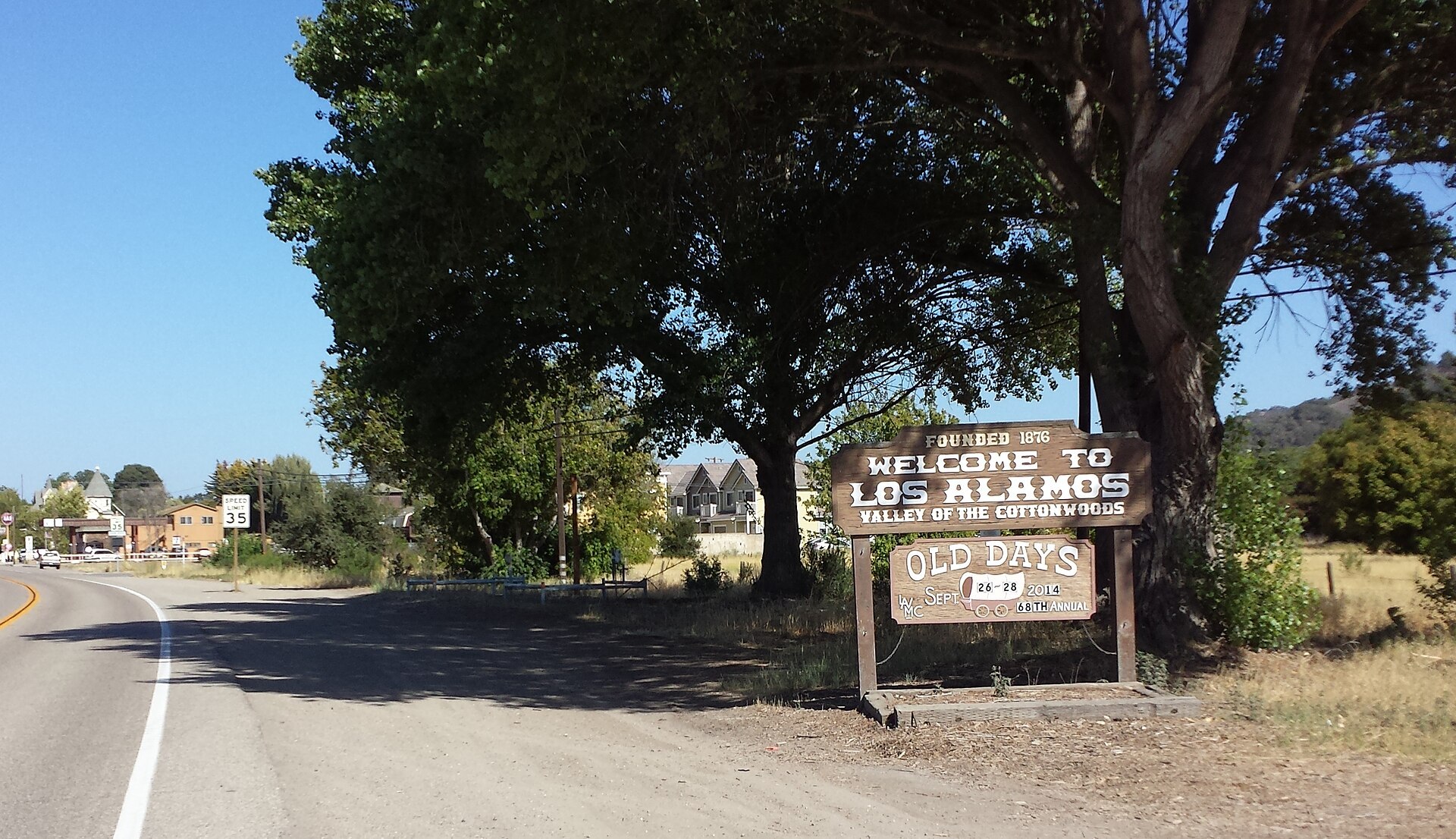
Los Alamos wineries feel different because the town itself is different. There are no windmills, no tour bus parking lots, no tasting rooms designed to cycle 200 people through on a Saturday. Instead, there’s Bell Street. A seven-block strip in a town of about 1,300 people where the winemaker pouring your Syrah might also be the person who pruned the vines that morning. That gap between Los Alamos and its more popular neighbors to the south is not about the quality of wine. It’s about the experience surrounding it.
Solvang pulls over a million visitors a year into a town of roughly 6,000 residents. Los Olivos packs more than 30 tasting rooms along Grand Avenue. Both are beautiful. Both make excellent wine. But both have also become well-oiled tourism machines, and that changes how a visit feels. Los Alamos has not hit that point yet. Whether that’s by accident or by design, the result is a wine tasting experience that feels closer to what Santa Barbara wine country was 15 years ago.
The Bell Street Factor
Everything in Los Alamos happens on Bell Street. Tasting rooms, restaurants, antique shops, the local general store. All within a few blocks. The town was originally a stagecoach stop, and walking it today still carries some of that old transit-hub energy. There are no traffic lights. Parking is rarely an issue.
Here’s what sits on or just off Bell Street right now:
- Bedford Winery – One of the longer-running tasting rooms, warm and classic
- Casa Dumetz Wines – Rhône varietals with a bold feminist streak (the GSM blend is literally called “Feminist Party”)
- Lo-Fi Wines – natural, minimal-intervention wines with a hipster-meets-old-world feel
- Municipal Winemakers – casual pours in a laid-back setting
- Clementine Carter – cozy spot known for charcuterie alongside the wine
- Cotiere Winery – often poured by the owner himself
That list is short compared to Los Olivos. And that’s the point. Fewer rooms means less crowding, more conversation, and a pace that doesn’t feel like a checklist.
How Solvang, Los Olivos, and Los Alamos Actually Compare
Putting the three towns side by side reveals some clear contrasts. The wines overlap in variety, but the experience around them is wildly different.
| Solvang | Los Olivos | Los Alamos | |
| Annual visitors | Over 1 million | High (growing fast) | Low to moderate |
| Tasting rooms | 15+ downtown | 30 to 50+ | Around 8 to 10 |
| Primary draw | Danish village, pastries, shopping | Wine tasting, galleries | Wine, food, antiques |
| Crowd feel | Busy, especially weekends | Moderate to busy | Quiet, unhurried |
| Walkability | High | High | Very high (shorter strip) |
| Food scene | Danish bakeries, cafes | Growing, upscale | Michelin-starred Bell’s, Full of Life Flatbread |
| Vibe | Tourist village | Polished wine town | Old West meets creative wine culture |
| Best day to visit | Weekday mornings | Weekday or early Saturday | Thursday through Monday (some spots closed mid-week) |
Solvang is beautiful, but it can feel like a theme park on a summer Saturday. Los Olivos is polished, increasingly well-known, and trending toward requiring reservations at most stops. Los Alamos wineries still operate at a pace where a walk-in on a Friday afternoon feels natural. For a deeper look at what makes the Los Olivos wine scene tick and how it stacks up against bigger California regions, check out this Los Olivos wine tasting breakdown.
The Food Scene Changes Everything
This is where Los Alamos punches way above its weight. Bell’s, the French-inspired bistro from Per Se alumni Daisy and Greg Ryan, has held a Michelin star since 2021. In a town of 1,300 people. That alone would be a headline anywhere, but the food story runs deeper.
Clark Staub’s Full of Life Flatbread opened here back in 2004, years before the wine tasting scene took shape. Wood-fired pizzas made from local ingredients. Winemakers still eat there with their families on weeknights. It set a tone for the whole town: serious about sourcing, casual about everything else.
Then there’s Priedite Barbecue at Bodega, Pico (where the wine list leans heavily local), and newer spots that keep opening because chefs want to cook here. The food and wine scenes in Los Alamos are not separate. They feed each other, literally.
Compare that to Solvang, where the food story leans heavily on aebleskiver and Danish bakeries, or Los Olivos, where dining options are growing but still limited. Los Alamos has a culinary depth that makes a full day feel more like a food-and-wine trip than a tasting room crawl.
Why the Wines Themselves Hit Differently
Santa Barbara County has seven distinct AVAs. Los Alamos Valley sits between the Santa Maria Valley and the Santa Ynez Valley, with the newer Alisos Canyon AVA carved out within it. The location matters because the climate here is cooler than the eastern Santa Ynez Valley but warmer than the Santa Rita Hills, creating growing conditions that suit a wide range of grapes.
Varieties grown in and around Los Alamos include Pinot Noir, Syrah, Grenache, Chardonnay, Albariño, Vermentino, Chenin Blanc, and Sangiovese. That’s an unusually broad list for a small area, and it shows up in the tasting rooms. A flight at Casa Dumetz might include Rhône blends and a Grüner Veltliner. Lo-Fi pours natural wines with low alcohol and an old-world character. Bedford works estate fruit from local vineyards.
The producers here tend to be small-lot and hands-on. Many of them are friends, not competitors. And visitors pick up on that energy fast.
The Crowd Factor (Or Lack of It)
Solvang draws over a million visitors a year. That’s a 167-to-1 tourist-to-local ratio packed into 2.42 square miles. Los Olivos has grown enough that weekend reservations are now the norm at popular rooms, and parking can be tricky during peak season.
Los Alamos is not immune to growth. Skyview Los Alamos, the restored midcentury boutique hotel on the hill above town, has brought more weekend visitors. Bell’s draws food-focused travelers from LA and beyond. But the town has not yet built the infrastructure (or the appetite) for mass tourism. And that gap is what makes Los Alamos wineries feel so different for people who’ve done the Solvang-Los Olivos loop before.
There’s no bachelorette bus pulling up at noon. No line out the door. Just a short stretch of road where people slow down, taste good wine, and talk to the people who made it.
Who Should Skip Los Alamos (And Who Should Go)
Not every wine tasting trip calls for Los Alamos. If the goal is a big group, lots of options, and a lively Saturday scene, Los Olivos is the better fit. If the trip is about Danish architecture, pastries, and browsing gift shops between pours, Solvang delivers that.
But for anyone who wants:
- A quieter, more personal tasting experience
- Direct access to winemakers and small producers
- Walkable wine paired with a world-class food scene
- An Old West creative vibe instead of a polished tourist village
Los Alamos wineries are the answer. The town rewards people who want to slow down and actually connect with the wine, the food, and the people behind both.
A private wine tour through Santa Barbara wine country is one of the best ways to experience Los Alamos alongside the valley’s other hidden producers. No worrying about who drives, no scrambling for tasting room hours. Just a curated day built around the kind of small, sustainable wineries that make this area special.
Planning Tips for a Los Alamos Wine Day
- Visit Thursday through Monday. Several tasting rooms and restaurants close Tuesday and Wednesday.
- Start with wine, end with food. Hit two or three tasting rooms, then book a late lunch at Bell’s or Full of Life Flatbread.
- Wear comfortable shoes. The whole town is walkable and flat.
- Pair it with Los Olivos. The two towns are only 12 minutes apart by car. A day that splits between both is a strong play.
- Consider a guided tour. Especially for groups that want access to private producers and don’t want to worry about driving between stops.
FAQs
How many wineries are in Los Alamos, California?
Los Alamos has around 8 to 10 tasting rooms concentrated along Bell Street. That number is smaller than Los Olivos (30+) or Solvang (15+), but the intimate scale is part of what makes visiting Los Alamos wineries feel more personal and unhurried.
Is Los Alamos worth visiting for wine tasting?
Yes. Los Alamos offers a quieter, winemaker-driven tasting experience that appeals to visitors tired of crowded rooms. The town also has a Michelin-starred restaurant (Bell’s) and a walkable food scene that pairs well with a day of tasting.
What is the difference between Los Alamos and Los Olivos for wine?
Los Olivos is a larger, more established wine village with over 30 tasting rooms and a polished, gallery-lined downtown. Los Alamos is smaller, less commercial, and has a raw Old West creative energy. Both pour excellent Santa Barbara County wine, but the atmosphere is noticeably different.
Can you walk between wineries in Los Alamos?
Yes. Everything in Los Alamos sits on or just off Bell Street, a seven-block main strip. All tasting rooms, restaurants, and shops are within easy walking distance of each other. Parking once and walking the whole strip takes under an hour.