
What Makes Santa Maria Valley Wineries Different From Sta. Rita Hills?
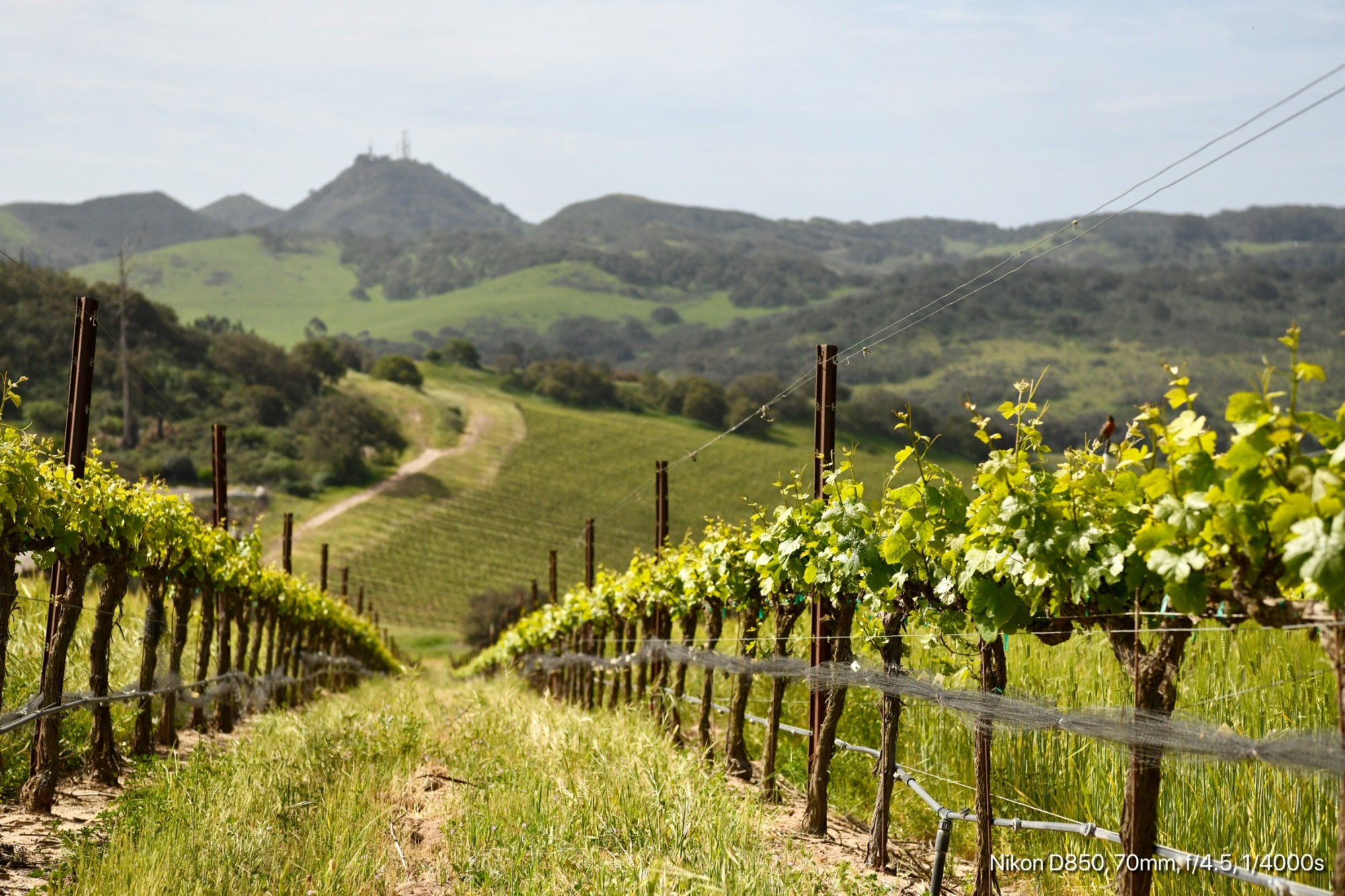
Short answer: Santa Maria Valley wineries tend to produce fruit-forward, rounder wines shaped by sandy loam soils and a wide-open valley, while Sta. Rita Hills delivers leaner, more mineral-driven bottles thanks to tighter wind tunnels, calcareous rock, and colder overall temperatures. Both sit in Santa Barbara County. Both grow Pinot Noir and Chardonnay. But the wines taste nothing alike.
That might sound surprising. After all, these two AVAs are neighbors. They share the same transverse mountain ranges that run east to west (which is unusual in California, by the way). And they both get hammered by Pacific Ocean fog and wind. So why do the wines land so differently in the glass?
Here’s the thing. Terroir is sneaky. Two regions can look similar on a map and still produce wildly different results. The gap between Santa Maria Valley and Sta. Rita Hills is a perfect example of how small shifts in geography, soil composition, and wind exposure create entirely separate wine identities.
The Geography That Started It All
Both valleys owe their cool-climate credentials to the same geological event. Millions of years ago, tectonic plate movement rotated the coastal mountain ranges, creating valleys that face the Pacific Ocean head-on instead of running parallel to the coastline. That east-to-west orientation is rare on the entire Western seaboard, and it’s the reason cool marine air floods directly into vineyard sites instead of getting blocked by north-south ridgelines.
But here’s where the two regions split.
Santa Maria Valley sits in the northernmost part of Santa Barbara County. It’s a broad, open, funnel-shaped valley that fans out toward the ocean. Think of it as a wide doorway. Cool air enters but spreads across a large area, with vineyards planted on rolling hillsides at elevations between 300 and 800 feet.
Sta. Rita Hills, by comparison, is more like a narrow corridor. Pinched between the Purisima Hills to the north and the Santa Rosa Hills to the south, this valley channels marine wind and fog into a concentrated stream. The effect is significant. Temperatures at the western edge of Sta. Rita Hills can run nearly 15 degrees cooler than the eastern Santa Ynez Valley during the ripening season. That’s not a minor difference. That’s two completely different growing environments.
Climate: Cool vs. Colder
Both regions qualify as cool-climate growing areas. But there’s a meaningful distinction between “cool” and “genuinely cold.”
Santa Maria Valley wineries benefit from a long, gentle growing season with moderate fog coverage. The valley’s wider opening allows some sun to penetrate even on foggy mornings, giving grapes a balance of acidity and ripe fruit flavors. The growing season here is among the longest in the world, stretching well into autumn.
Sta. Rita Hills takes that coolness and dials it up. One winemaker famously described the climate here as “cold sunshine,” meaning the region gets plenty of direct sun but the ambient air temperature stays remarkably low. Budbreak can happen as early as late February, with harvest stretching into November for varieties like Syrah. Low yields are common because wind exposure makes it difficult for clusters to set properly, but those smaller yields often translate into wines with intense concentration and depth.
| Factor | Santa Maria Valley | Sta. Rita Hills |
| AVA Established | 1981 (first in Santa Barbara County) | 2001 |
| Valley Shape | Wide, open funnel | Narrow corridor |
| Ocean Distance | ~15 miles | ~10-12 miles |
| Climate Classification | Region I-II | Region I |
| Flagship Grapes | Pinot Noir, Chardonnay, Syrah | Pinot Noir, Chardonnay |
| Growing Season | One of the longest globally | Equally long, but colder overall |
| Vineyard Acreage | ~7,500 acres | ~2,700 acres |
Soil: Where the Real Personality Shows Up
Soil composition is where these two AVAs really start to diverge, and honestly, it’s probably the most underappreciated factor when people compare them.
Santa Maria Valley sits on a mix of sandy loam, gravel, and alluvial deposits. The soils are relatively free-draining, which keeps vines from getting waterlogged. Within the valley, there’s a notable split between the Santa Maria Bench (nestled in the Tepusquet Foothills, with earthier alluvial soils) and lower-lying areas closer to sea level that see more direct sun. The legendary Bien Nacido Vineyard, planted in the early 1970s and still producing from some of its original own-rooted vines, sits on dense clay and sandstone. It consistently proves that soil variation within a single AVA can be massive.
Sta. Rita Hills sits on a different foundation entirely. The region has substantial deposits of diatomaceous earth (fossilized marine organisms), calcareous rock, and marine sediment. These mineral-rich soils force vine roots to push deeper for water, creating stress that concentrates flavors. The result? A chalky, almost saline minerality that shows up consistently in the wines. No other California appellation quite replicates it.
For a deeper look at how this terroir shapes the wines, check out our breakdown of what makes Sta. Rita Hills wine so distinct from the rest of Santa Barbara wine country.
What Ends Up in the Glass
This is probably what matters most to anyone planning a tasting day, so let’s break it down.
Santa Maria Valley Pinot Noir tends to be lighter-bodied with bright red fruit, warm spice notes, and approachable tannins. Wines from the Bench lean earthier and more rounded, while those from lower sites can be fruitier and more immediately appealing. The Chardonnays run tropical and floral, sometimes with a lush quality that pairs beautifully with oak aging.
Sta. Rita Hills Pinot Noir is typically more structured, with a stronger acid backbone. Expect darker fruit tones layered with crushed rock, dried herbs, and that signature mineral edge. These wines often reward aging. The Chardonnays here are tighter and more citrus-driven, with a tension that feels almost Burgundian.
Quick comparison of common tasting notes:
- Santa Maria Valley Pinot Noir: Red cherry, raspberry, baking spice, vanilla, soft earth
- Sta. Rita Hills Pinot Noir: Dark cherry, pomegranate, crushed rock, dried herbs, saline finish
- Santa Maria Valley Chardonnay: Tropical fruit, white flowers, creamy mouthfeel
- Sta. Rita Hills Chardonnay: Citrus, green apple, chalky minerality, crisp acidity
The Wineries Worth Knowing

Santa Maria Valley wineries have a slightly different character than their Sta. Rita Hills counterparts. The valley’s larger footprint supports a wider range of producers, from established estates to smaller boutique operations growing Rhône varieties alongside Burgundian grapes.
Notable names in Santa Maria Valley include Bien Nacido Vineyards (the 900-acre estate that Wine & Spirits Magazine once named among the top vineyards in the world), Presqu’ile Winery with its stunning hilltop views, Foxen, Cambria Estate, Au Bon Climat, and Riverbench. Several of these producers also work with Syrah and Viognier, giving the region a diversity that Sta. Rita Hills doesn’t quite match.
Sta. Rita Hills leans harder into specialization. Sanford Winery, one of the AVA’s founding producers, helped prove that Pinot Noir could thrive this far south in California after making comparisons with Burgundy. Melville Winery has earned recognition for sustainable farming and estate-grown wines. Babcock brings an eclectic, rock-and-roll energy to its tasting room. And producers like Domaine de la Cote, Sea Smoke, and Brewer-Clifton have pushed Sta. Rita Hills Pinot Noir into conversations about the best cool-climate wines in the world.
Why This Comparison Matters for Wine Visitors
Understanding the difference between these two AVAs can genuinely transform a tasting day. Instead of randomly hopping between tasting rooms, visitors can build an itinerary around contrast. Start with the broader, fruit-driven elegance of Santa Maria Valley wineries in the morning, then shift south to Sta. Rita Hills for leaner, more structured wines in the afternoon.
Buellton is the natural starting point for that second half of the day, and there’s a reason it’s considered the gateway to Sta. Rita Hills.
For anyone who values sustainable and organic winemaking (and that number keeps growing), both regions have strong options. Ampelos Cellars in Sta. Rita Hills holds the distinction of being the first U.S. vineyard certified organic, biodynamic, and sustainable. Several Santa Maria Valley producers also practice SIP-certified or organic farming.
The best way to experience this comparison? Skip the crowded public tasting rooms and visit private, boutique estates where winemakers can walk through exactly how their specific site shapes what ends up in the bottle. That kind of access turns a wine tour from a pleasant afternoon into something genuinely educational.
FAQs
Are Santa Maria Valley and Sta. Rita Hills the same wine region?
No. They are two separate American Viticultural Areas (AVAs) within Santa Barbara County. Santa Maria Valley is the northernmost AVA in the county, established in 1981. Sta. Rita Hills is a sub-AVA of the Santa Ynez Valley, established in 2001. They share similarities like cool climates and east-to-west valley orientations, but differ in soil composition, temperature, and wine styles.
Which region is better for Pinot Noir?
Both produce exceptional Pinot Noir, but the styles are distinct. Santa Maria Valley Pinot Noir tends to be lighter, fruit-forward, and approachable. Sta. Rita Hills Pinot Noir is generally more structured with higher acidity, mineral notes, and aging potential. The “better” choice depends entirely on personal taste preferences.
Can visitors tour both regions in a single day?
Yes. Santa Maria Valley and Sta. Rita Hills are close enough to visit on the same day, especially with a guided wine tour that handles logistics. Tasting across both AVAs in one trip is actually a great way to experience how terroir shapes wine character firsthand.
Why is it spelled “Sta.” Rita Hills instead of “Santa” Rita Hills?
The abbreviated spelling resulted from a trademark dispute with Vina Santa Rita, a prominent Chilean winery. After negotiations, both parties agreed that the abbreviated “Sta. Rita Hills” provided enough distinction. The name change became official in 2006.