How To Plan The Perfect Day Trip To Santa Barbara That Includes A Wine Country Stop
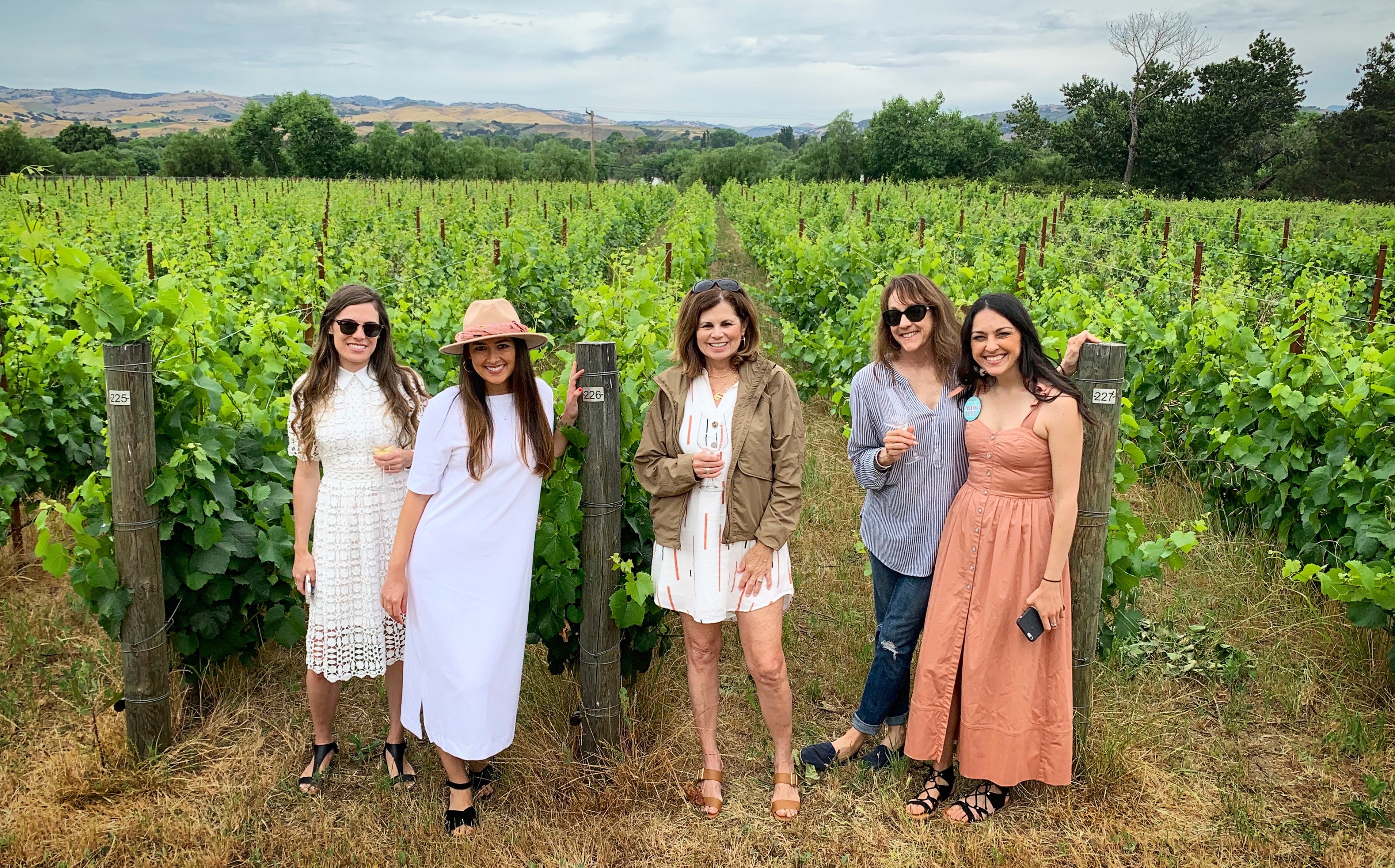
Here’s the thing about Santa Barbara wine country. It hands you Napa-level wine without the Napa-level fuss. The region sits about two hours north of Los Angeles, which means a single, well-planned day is genuinely enough to taste world-class Pinot Noir and Chardonnay and still be home for dinner.
But a good day here is built, not stumbled into. The wineries spread across foggy coastal hills and warm inland valleys, reservations get tight, and the most interesting bottles tend to come from the farms doing the quiet, careful work. So let’s plan it properly.
Why A Day Trip Actually Works Here
Most people picture wine country as a sprawling, all-weekend commitment. Santa Barbara breaks that rule. The towns sit just minutes apart, which makes it easy to fold several stops into one day.
You really have two doable formats:
| Format | Best For | The vibe |
| Urban Wine Trail / Funk Zone | First-timers, no driving, tight on time | Walkable downtown, beach two blocks away |
| Santa Ynez Valley towns | Slower pace, vineyard views, more variety | Country roads, rolling hills, small-town charm |
The Funk Zone packs 20-plus tasting rooms into a walkable downtown stretch near the harbor and Stearns Wharf. No car is needed between stops. Honestly, for a first visit on a tight clock, it’s hard to beat.
The valley is the other route. Los Olivos is built around a historic downtown stagecoach stop and is exceptionally walkable, with dozens of tasting rooms within a few blocks, while nearby Solvang leans into its Danish-village character with pastries, windmills, and shops. Los Olivos sits about 45 minutes northeast of Santa Barbara, so it’s still very much a day-trip range.
A Quick Word On The AVAS (It Changes What’s In Your Glass)
You don’t need a sommelier’s notebook, but knowing the growing regions helps you order smarter. Santa Barbara County now has seven official AVAs, and Pinot Noir is the regional flagship, especially from the Sta. Rita Hills and the Santa Maria Valley.
Quick cheat sheet:
- Sta. Rita Hills — cool, foggy, coastal. The chilly western pocket of the Santa Ynez Valley is perfect for cool-climate Chardonnay and Pinot Noir.
- Ballard Canyon — the smallest AVA in the county, with weather built for Syrah.
- Happy Canyon — the easternmost and warmest spot, the premier zone for heat-loving Cabernet Sauvignon and Merlot.
- Los Olivos District — a broad terrace producing Cab, Merlot, Pinot Noir, and Sauvignon Blanc.
The takeaway? Cool coast means elegant whites and Pinot. Warm inland means bold reds. Pick your stops around what you actually like to drink.
The Sample One-Day Plan
This is the version that flows. Adjust the towns to taste.
| Time | Stop | What To Do |
| 9:00 AM | Drive or get picked up | Coffee, snacks, hit the road early |
| 10:30 AM | First vineyard estate | Book the day’s first tasting in the countryside |
| 12:30 PM | Town lunch | Eat in Los Olivos or Solvang, walk it off |
| 1:30 PM | Two or three tasting rooms | Cluster them so you can stroll between |
| 4:00 PM | Final, special pour | End on a wine you’ll want to ship home |
| 5:30 PM | Head back | Sunset on the drive south |
One small piece of advice that pays off big: book your first appointment at a countryside estate in the late morning, then circle back to a town’s clustered tasting rooms so you can walk between them. It keeps the driving front-loaded and the afternoon relaxed.
Timing matters too. Coming midweek, on a Wednesday or Thursday, buys you a quieter, more intimate experience and far better odds at walk-in tables.
The Part Most Guides Skip: How The Wine Is Farmed
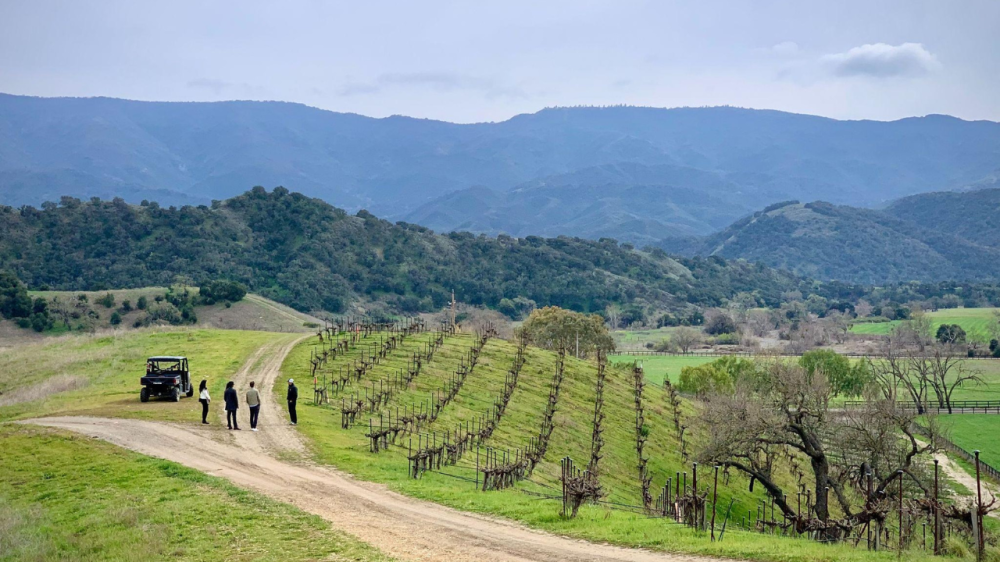
This is where a Santa Barbara day trip gets genuinely special, and where a lot of visitors miss the best bottles entirely.
The county has been a sustainability leader for decades. Ampelos Vineyard, for instance, was the first in the country to be certified organic, biodynamic, and sustainable. That’s not a marketing badge. It signals real choices about soil, water, and the people doing the work.
If you’re not sure what the labels mean, here’s the short version:
- Organic — no synthetic pesticides or fertilizers in the vineyard.
- Biodynamic — the vineyard is treated as one living ecosystem, using natural rhythms and preparations.
- SIP Certified — a rigorous, audited standard covering the “3 Ps”: people, planet, and prosperity, including water, energy, habitat, and fair labor.
Why care, beyond feeling good? Growers themselves report that the practice makes the fruit better. One Santa Barbara winemaker notes that biodynamic farming improves fruit quality and the consistency of the wines, which matters most of all. Cleaner farming, better glass. Surprisingly direct payoff.
A few names worth seeking out for eco-minded tasting: Foxen and Sanford both hold SIP Certification and farm for soil health and biodiversity, while Coquelicot is a certified organic producer, and Stolpman builds sustainability into its core vineyard work. Ask any tasting room straight up whether their flight highlights organic or biodynamic lots. Good rooms love that question. Better yet, a day built around sustainable wine touring puts those certified, low-intervention estates on the route by default.
Smart logistics (Read This Before You Book)
Look, the wine is the easy part. The logistics are what separate a great day from a stressful one.
- Reserve ahead. Many tasting rooms request or require bookings, and weekends fill fast. Lock in your first two stops at a minimum.
- Don’t drive yourself between tastings. This is the big one. The whole point is to taste freely, and you can’t do that with car keys in your pocket.
- Built-in lunch. A real meal mid-day resets your palate and keeps the afternoon enjoyable instead of fuzzy.
- Dress comfortably but tidily. The regional style runs comfortable yet stylish, sundresses and clean sneakers, nice jeans, and a collared shirt.
- Pack water and a hat. The inland valleys get warm, and hydration is half the battle.
On that “don’t drive yourself” point: this is exactly why a guided Santa Barbara wine tour with a designated driver makes the day work. You taste everything, you skip the parking shuffle, and a good operator can route you through the sustainable estates you’d never find on your own.
Since the certified tasting rooms are spread across the county, planning a route or hiring a local driver is the standard advice for a reason. It’s the responsible choice and the more fun one. Both things can be true.
Putting It All Together
A perfect Santa Barbara wine day comes down to three decisions. Pick your format (walkable Funk Zone or scenic valley towns). Pick your wines (cool-climate whites and Pinot, or warm-climate reds). And pick a way to get around that lets you actually enjoy the glass.
Do those three things, lean toward boutique, family-run wineries farming with care, and you’ll have the kind of day that makes people cancel their Napa plans for next year.
FAQs
How far is Santa Barbara wine country from Los Angeles?
It’s roughly a two-hour drive north of Los Angeles, with the inland valley towns running a little longer. That’s close enough to do comfortably as a one-day trip.
Can I really see wine country in just one day?
Yes. The towns sit only minutes apart, so it’s easy to fit several stops into a single day. Focus on one zone, the Funk Zone or one valley town, rather than trying to cover everything.
What wine is Santa Barbara known for?
Pinot Noir is the regional flagship, especially from the cool Sta. Rita Hills, alongside excellent Chardonnay. Warmer inland AVAs also turn out strong Syrah and Cabernet.
Are there sustainable or organic wineries to visit?
Plenty. Santa Barbara County has long led on sustainability, with producers like Ampelos certified organic, biodynamic, and sustainable, and others such as Foxen and Sanford holding SIP Certification. Ask each room about its farming practices.